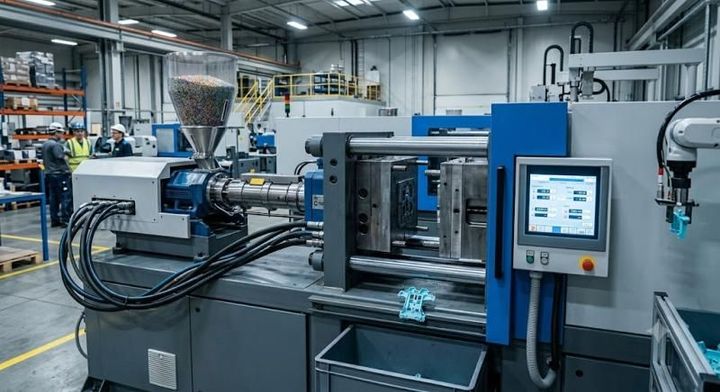
Automated High-Volume Plastic Injection Molding Frameworks Overview for Modern Production Systems
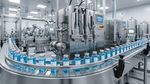
Automated high-volume plastic injection molding frameworks are integrated production systems designed to make large quantities of plastic components through controlled molding cycles.
Injection molding works by heating plastic material until it becomes flowable, injecting it into a mold cavity, allowing it to cool, and then removing the formed part. Automation adds coordinated equipment and software that can manage tasks such as material handling, mold movement, part removal, inspection, and production monitoring.
The approach developed from conventional injection molding as manufacturers sought more consistent production and better control over repeated cycles. A modern framework can connect an injection molding machine with robots, sensors, material dryers, temperature controllers, conveyors, inspection equipment, and production software.
High-volume production is particularly relevant when the same or similar components must be produced repeatedly. Common applications include automotive components, electrical housings, packaging components, consumer products, medical-device components, and industrial parts. The exact configuration depends on the material, mold design, component dimensions, production volume, and required quality controls.
Main Elements of an Automated Framework
An automated molding framework generally contains several connected elements:
- Injection molding machine for melting and injecting polymer material.
- Mold system that determines the shape and surface features of the component.
- Material handling equipment for conveying, drying, blending, and feeding plastic.
- Robotics for removing molded components and handling repetitive movements.
- Sensors for monitoring pressure, temperature, position, and other process conditions.
- Cooling equipment for controlling mold and process temperatures.
- Inspection systems for checking dimensions, appearance, or production conditions.
- Production software for recording operational information and monitoring equipment.
The integration of these elements creates a coordinated production environment rather than a single standalone machine.
Importance
Automated high-volume plastic injection molding frameworks matter because repeated production involves many variables. Small changes in temperature, pressure, cooling, material moisture, or mold conditions can influence the finished component. Automation can help maintain defined process conditions and record information that would be difficult to track manually across thousands of cycles.
The topic also affects everyday products. Plastic housings, closures, electrical components, vehicle parts, appliance components, and packaging can all involve injection molding somewhere in their manufacturing chain. The reliability of the molding process therefore has a direct connection with the consistency of many manufactured products.
Production Consistency
One important role of automation is repeatability. A robot can perform the same movement pattern during each cycle, while sensors can continuously monitor selected operating conditions. Process-control systems can also identify changes that require investigation.
Consistency does not mean that defects are impossible. Mold wear, material variation, equipment conditions, incorrect settings, and environmental factors can still affect production. Automated systems mainly provide greater control and visibility over these variables.
Workforce and Safety Considerations
Automation changes the type of human involvement required around molding equipment. Instead of manually performing every repetitive movement, workers may focus more on machine setup, process monitoring, inspection, maintenance, material preparation, and troubleshooting.
Safety remains an important part of automated production. Robot and injection molding machine systems require appropriate guarding, controls, and operating procedures. ANSI/PLASTICS B151.27-2021 specifically addresses safety requirements for robot and injection molding machine systems, including design, setup, operation, maintenance, and modification.
Energy and Material Management
Modern production frameworks also place greater attention on energy use and material efficiency. Electric and hybrid injection molding machines can provide different approaches to machine operation compared with traditional hydraulic configurations. Equipment selection depends on the application and production requirements rather than one configuration being appropriate for every situation.
Material preparation is another important consideration. Drying requirements vary by polymer, and unsuitable moisture levels can affect processing and part characteristics. Proper material handling therefore forms an important part of an automated framework.
Recent Updates
From 2024 through 2026, injection molding has continued moving toward greater automation, data collection, process simulation, and equipment integration. Industry activity also shows continued attention to electric machinery, robotics, auxiliary equipment, and digital production tools.
The Plastics Industry Association reported that North American primary plastics machinery shipments in the second quarter of 2025 included injection molding equipment, with injection molding shipments increasing compared with the same quarter of the previous year. The data indicates continued activity in plastics manufacturing equipment despite broader trade and market uncertainties.
Digital Process Monitoring
Digital monitoring is becoming increasingly relevant to injection molding environments. Sensors and connected controls can collect information about temperatures, pressures, cycle conditions, and equipment status. This information can support process analysis and help production teams investigate changes over time.
Simulation is also developing alongside physical production. Recent industry discussions have included improved mold-flow analysis, artificial intelligence applications in simulation workflows, and digital-twin research for evaluating warpage and process behavior.
Automation and Robotics
Robotics remains an important component of high-volume frameworks. Robots can handle repetitive part-removal movements, transfer components between stages, and interact with inspection or packaging equipment. The level of automation can range from a single robot attached to an injection molding machine to a coordinated production cell with multiple automated stages.
Industry data also continues to distinguish between electric, hydraulic, and hybrid injection molding equipment, reflecting different machine configurations used across production environments.
Current Industry Direction
Recent industry reporting indicates that plastics manufacturing remains a substantial manufacturing sector. A 2025 Plastics Industry Association report based on 2024 U.S. data documented 12,548 plastics manufacturing establishments and approximately 787,500 employees within the defined plastics manufacturing categories.
These developments point toward production environments where physical machinery, automation, sensors, simulation, and production data increasingly work together.
Tools and Resources
Several types of tools can help readers understand or evaluate automated injection molding frameworks.
Mold-Flow Simulation
Mold-flow simulation software can model how molten polymer moves through a mold and can help examine filling behavior, cooling, shrinkage, and potential warpage. Such tools are generally used before or during mold development to study process conditions digitally.
Production Monitoring Systems
Manufacturing monitoring platforms can collect information from machines and connected sensors. Typical measurements may include cycle time, machine status, temperatures, pressures, alarms, and production counts.
Equipment Data Resources
The Plastics Industry Association's Committee on Equipment Statistics provides industry data covering categories such as injection molding, auxiliary equipment, robotics, material dryers, and related machinery.
Safety Standards and Documentation
Safety standards can provide structured information about safeguarding and operating automated machinery. Equipment manuals, mold documentation, material data sheets, maintenance records, and process sheets are also useful resources for understanding how individual systems are configured.
Basic Framework Comparison
| Framework Element | Primary Function | Typical Information |
|---|---|---|
| Injection molding machine | Forms plastic components | Pressure, temperature, cycle data |
| Mold | Creates component geometry | Cavities, cooling, gates |
| Robot | Handles repetitive movement | Position, speed, cycle activity |
| Sensors | Monitor process conditions | Temperature, pressure, position |
| Material system | Prepares and feeds polymer | Moisture, feed rate, material type |
| Inspection system | Checks produced components | Dimensions, appearance, defects |
| Production software | Organizes production data | Counts, alarms, trends, records |
FAQs
What are automated high-volume plastic injection molding frameworks?
They are coordinated production systems that combine injection molding machines with automation, sensors, material-handling equipment, robotics, and monitoring tools for repeated plastic component production.
How does automation improve plastic injection molding?
Automation can provide repeatable machine movements, consistent process monitoring, automated material handling, and structured production data. It can also reduce the amount of repetitive manual activity around the production cell.
What equipment is used in automated high-volume plastic injection molding?
A typical framework may include an injection molding machine, mold, robot, material dryer, hopper or feeder, temperature controller, cooling equipment, sensors, conveyors, inspection equipment, and production-monitoring software.
Why is digital monitoring important in injection molding?
Digital monitoring provides information about operating conditions and production cycles. This information can help teams identify process changes, investigate irregularities, and understand production patterns.
What are current trends in automated high-volume plastic injection molding frameworks?
Current trends include increased robotics, machine connectivity, process simulation, digital monitoring, electric and hybrid machine configurations, and greater use of production data for process analysis.
Conclusion
Automated high-volume plastic injection molding frameworks combine molding equipment, automation, material handling, sensors, inspection, and production data into coordinated manufacturing systems. Their importance comes from the need to manage repeated production while maintaining defined process conditions and appropriate safety controls. Developments from 2024 through 2026 show continued attention to robotics, digital monitoring, simulation, and different injection molding machine configurations. Understanding these elements provides a clearer view of how modern plastic component production systems are structured.