Apartment Rentals Overview: Explore Essential Facts, Processes, and Helpful Resources
Understanding Apartment Rentals Apartment rentals refer to the arrangement where individuals or families lease residential units from property owners for a specific period, usually under a formal agreement. This system exists to meet the housing needs of people who prefer flexibility over long-term property ownership. It offers a practical solution for those relocating for work, education, or personal reasons.
In most urban areas, apartment rentals form a significant part of the housing market, providing access to comfortable living spaces without the financial burden of property purchase. Renters typically pay a monthly fee in exchange for the right to live in the property while adhering to specific terms outlined in a lease. These agreements define rental duration, maintenance responsibilities, and other conditions to ensure both tenant and landlord obligations are clear.
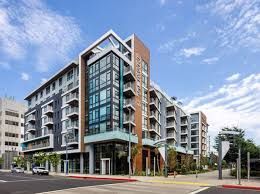
The global rental market continues to evolve due to urban migration, changing lifestyles, and economic factors influencing housing affordability. Apartment rentals have become essential for maintaining residential stability in cities, especially where property prices have surged.
Why Apartment Rentals Matter Today
Apartment rentals are increasingly important as populations shift toward urban centers. They offer mobility and convenience for students, working professionals, and families seeking temporary or long-term accommodation.
Key factors that make apartment rentals vital today include:
-
Urbanization: Rapid city growth increases demand for rental housing, especially in metropolitan regions.
-
Economic Flexibility: Renting provides financial flexibility, allowing individuals to manage expenses without property maintenance or taxes.
-
Changing Workforce Trends: With remote and hybrid work models, renters can relocate easily based on job requirements or lifestyle preferences.
-
Rising Property Prices: Many households find renting a practical alternative to purchasing due to high real estate costs.
Apartment rentals also address housing challenges for low- and middle-income families, offering access to essential amenities like transportation, schools, and healthcare without the high upfront investment.
This system benefits property owners as well, providing them with consistent income streams and opportunities for property appreciation over time. Thus, apartment rentals create a balanced ecosystem between tenants and landlords, supporting both individual and economic stability.
Recent Trends and Developments in Apartment Rentals
The apartment rental landscape has witnessed significant transformations in recent years. In 2024 and early 2025, several developments reshaped the way people rent and manage apartments globally:
-
Digital Rental Platforms: Online tools have simplified the apartment search process. Tenants can now explore virtual tours, digital lease signing, and automated rent payments.
-
Sustainable Living: Energy-efficient apartments and eco-friendly building designs are gaining popularity as renters seek sustainable lifestyles.
-
Smart Apartments: Technological integration, such as smart locks, energy monitoring systems, and security sensors, has enhanced the appeal of modern rentals.
-
Flexible Leasing Models: Short-term and co-living arrangements are increasingly common, catering to digital nomads and students.
-
Market Adjustments: Post-pandemic economic shifts have influenced rental prices, with cities like New York, London, and Mumbai reporting gradual stabilization in rent rates.
According to data released in mid-2024, global apartment rental demand rose by nearly 6%, driven by affordability concerns and population mobility. These shifts highlight the importance of understanding evolving tenant expectations and landlord strategies.
Rules, Regulations, and Government Policies
Apartment rentals are guided by housing laws and rental regulations designed to protect both landlords and tenants. These policies vary by country but generally focus on ensuring fair practices, safety standards, and legal clarity in lease agreements.
Common regulations include:
-
Tenancy Acts: Define tenant rights and landlord obligations, including rent control, security deposits, and eviction procedures.
-
Lease Agreement Requirements: Legal contracts must specify rental duration, rent amount, and renewal terms to avoid disputes.
-
Maintenance Standards: Landlords must ensure safe and habitable living conditions, including plumbing, electricity, and ventilation.
-
Tax Compliance: Rental income is often subject to taxation, requiring proper documentation and reporting.
-
Rent Control Measures: In several countries, governments implement rent caps to prevent excessive increases and maintain housing affordability.
Many cities also promote affordable housing schemes that support low-income renters. For instance, some metropolitan governments in 2024 expanded incentives for landlords to maintain fair rent prices and enhance transparency in rental listings.
These laws not only establish trust but also contribute to a stable housing environment by balancing tenant protection with landlord investment security.
Useful Tools and Resources for Apartment Renters
Several tools and resources can simplify apartment hunting, lease management, and rental budgeting. Renters can take advantage of digital platforms, calculators, and online guides to make informed decisions.
Popular Apartment Search Websites
| Platform | Key Features |
|---|---|
| Zillow | Virtual tours, neighborhood data, and rental estimates |
| Apartments.com | Advanced filters, verified listings, and local insights |
| RentCafe | Online lease management and payment options |
| MagicBricks | Popular in India with verified residential listings |
| Realtor.com | Market insights and rental price comparison |
Rental Management and Utility Apps
-
Google Sheets or Excel: Useful for tracking rent payments and monthly expenses.
-
SmartRent & Buildium: Help landlords and tenants manage maintenance requests digitally.
-
Walk Score: Measures proximity to public transport, schools, and amenities.
-
Trello or Notion: For organizing moving checklists and rental tasks.
Budgeting and Affordability Calculators
-
NerdWallet Rent Affordability Calculator: Estimates rent budget based on income.
-
Bankrate Tools: Provide rent vs. buy comparisons and expense analysis.
Educational Resources
-
Housing blogs, city rental guides, and government housing websites often provide free templates for lease agreements and tenant checklists.
-
Local housing authorities offer resources on tenant rights and landlord responsibilities, helping renters navigate the legal framework confidently.
Frequently Asked Questions
1. What should I check before renting an apartment?
Inspect the apartment for structural quality, plumbing, electrical systems, and safety features. Review the lease agreement carefully and verify landlord credentials before signing.
2. How long are typical apartment leases?
Most apartment leases range from 6 to 12 months. However, some landlords offer flexible short-term or month-to-month leases depending on the market and property type.
3. Are utilities included in apartment rent?
This depends on the agreement. Some rentals include water, gas, or internet, while others require tenants to pay separately. Always confirm utility details before moving in.
4. What is a security deposit and when is it refunded?
A security deposit is a refundable amount paid to cover potential damages or unpaid rent. It is usually returned after the lease ends, provided the apartment is in good condition.
5. Can rental agreements be renewed automatically?
Yes, many leases include renewal clauses. Tenants can extend their stay under revised terms or the same conditions, depending on mutual consent between both parties.
Conclusion
Apartment rentals play an essential role in ensuring accessible, flexible housing across urban and suburban regions. As lifestyles evolve and housing demands shift, understanding the fundamentals of renting becomes increasingly valuable.
Modern tools and transparent policies have made apartment rentals more efficient and tenant-friendly than ever before. Whether for short-term living or long-term settlement, informed renting allows individuals to secure safe and comfortable accommodation without unnecessary complexity.
By staying updated on rental trends, legal frameworks, and available digital resources, both tenants and landlords can maintain positive, well-managed rental experiences in the growing housing landscape of 2025.