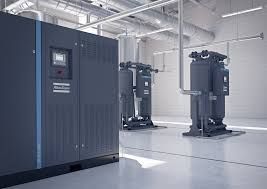
Air Compressor Guide: Knowledge, Tips & Helpful Details
Context – What an air compressor is and why it exists An air compressor is a machine that takes in ambient air and increases its pressure by reducing its volume (or otherwise raising its energy), storing or delivering that pressurised air for various uses. It effectively acts like a “pressure battery”: the machine converts electrical (or sometimes mechanical) energy into potential energy in the form of compressed air.
Compressed air exists because many industrial, commercial, and maintenance tasks require a source of power beyond electricity. Pneumatic tools, spray-painting, instrumentation, conveying systems, vehicle tyres, and manufacturing machines all use compressed air. It simplifies operations since a single air system can power multiple devices without complex wiring or individual power units.
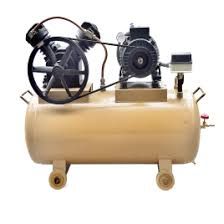
A typical compressed-air system includes the compressor, air receiver, distribution network, and connected tools. However, efficiency losses from leaks, pressure drops, or oversizing are common, making proper system design and maintenance crucial.
Importance – Why this topic matters today, who it affects, and what problems it solves
Compressed-air systems affect industries such as manufacturing, automotive, food processing, textiles, and construction. Because compressors often account for a large share of total energy use in these facilities, understanding them is vital for improving energy efficiency and sustainability.
Key benefits and issues addressed through proper compressor knowledge include:
-
Operational reliability – Ensures a consistent air supply, preventing equipment downtime.
-
Energy efficiency – Reduces waste and electricity bills through better maintenance and system optimization.
-
Air quality and safety – Prevents contamination in sensitive industries like food and pharmaceuticals.
-
Noise and space management – Modern systems are quieter and more compact, improving workplace safety and comfort.
-
Sustainability goals – Energy-efficient compressors support environmental and carbon-reduction objectives.
In manufacturing environments, compressed air quality directly influences product quality and production output, making it essential to select suitable systems.
Recent Updates – Changes, trends or news from the past year
In 2024–2025, several developments have shaped the air-compressor industry:
Energy-efficient designs and Variable Speed Drives (VSDs)
Modern compressors increasingly use VSDs, which adjust motor speed to match demand, saving up to 30–35 % energy compared to fixed-speed models.
Oil-free compressor adoption
Growing demand for clean air in food, pharmaceutical, and electronics industries is driving adoption of oil-free technology. These systems reduce contamination risk and lower maintenance needs.
Smart and connected compressors
IoT-enabled compressors now allow remote monitoring, real-time diagnostics, and predictive maintenance. This helps prevent breakdowns and improves overall uptime.
Market growth and regional focus
The global air-compressor market continues to expand, with significant growth expected in Asia-Pacific. Industrialisation, infrastructure development, and clean-energy programs contribute to this demand.
Regulatory changes
Governments worldwide have begun enforcing stricter energy-efficiency regulations. The U.S. Department of Energy’s updated rules on compressor efficiency took effect in early 2025, influencing product design and imports globally.
These trends show that today’s focus is on smarter, greener, and more efficient compressed-air systems.
Laws or Policies – How this topic is affected by rules, regulations, or government programmes
Air compressors fall under several energy-efficiency and safety regulations globally.
Energy-efficiency standards
Many countries, including India, the United States, and China, have introduced Minimum Energy Performance Standards (MEPS) for compressors. These standards ensure that manufacturers produce energy-efficient models to reduce industrial power consumption.
Indian regulations
The Bureau of Energy Efficiency (BEE) and Bureau of Indian Standards (BIS) have issued guidelines for compressor design, testing, and labelling. Manufacturers must comply with efficiency certification schemes and BIS “Scheme X” requirements for compressor production and sale.
International standards
ISO 8573-1 defines air-purity classes that determine acceptable levels of oil, water, and particles in compressed air. Compliance is critical in sensitive sectors such as pharmaceuticals and electronics manufacturing.
Environmental and safety guidelines
Local pollution-control boards and occupational safety bodies regulate noise, emissions, and safety measures associated with air-compressor installations.
These policies promote energy savings, cleaner production, and safer working environments.
Tools and Resources – Helpful tools, apps, calculators, websites, templates, or services
Practical tools and resources that support efficient compressed-air management include:
-
Energy-audit manuals and checklists – Useful for identifying inefficiencies in compressor systems and measuring savings opportunities.
-
Air-flow and pressure calculators – Online calculators help determine compressor capacity, flow rate, and pressure losses for system optimization.
-
Leak-detection devices – Ultrasonic detectors and digital sensors pinpoint leaks, which often waste 20–30 % of compressed air.
-
Performance monitoring apps – Software dashboards track compressor operation, power consumption, and maintenance schedules.
-
Standard compliance guides – Reference materials outlining ISO 8573-1, energy-labelling, and safety compliance procedures.
-
Predictive-maintenance platforms – Cloud-based systems that use sensor data to forecast component wear and suggest maintenance timing.
Using these resources ensures improved reliability, reduced downtime, and better energy management for compressed-air systems.
FAQs – Frequently asked questions with clear answers
Q1. What are the main types of air compressors?
Air compressors fall into two broad categories: positive-displacement (reciprocating piston, rotary screw) and dynamic (centrifugal). The best choice depends on required air flow, pressure, usage frequency, and purity needs.
Q2. Why is energy efficiency so important for air compressors?
Compressors are among the most energy-intensive equipment in industry. Improving efficiency by reducing leaks, using VSDs, and maintaining proper pressure can save up to 50 % in energy use.
Q3. What pressure level is ideal for operation?
The optimal pressure is the minimum necessary to meet your process needs. Each 1 bar increase above requirement can raise energy consumption by 7–10 %. Avoid oversizing and excessive system pressure.
Q4. How do I maintain good air quality?
Use air filters, dryers, and oil separators suited to your process. Replace filters regularly and drain moisture traps to prevent contamination. For sensitive industries, oil-free compressors are recommended.
Q5. What maintenance mistakes should be avoided?
Ignoring leaks, dirty filters, inadequate ventilation, and poor piping layouts are common issues. Regular inspections, cleaning, and monitoring can significantly extend compressor life and performance.
Conclusion
Compressed-air systems are the invisible backbone of modern industry. Understanding how air compressors work, why energy efficiency matters, and how to comply with evolving standards helps both engineers and facility managers run safer, cleaner, and more sustainable operations.