Jump to a Chapter

AI for Traffic Signal Optimization – Complete Guide to Smarter Urban Traffic Management

AI for Traffic Signal Optimization – Complete Guide to Smarter Urban Traffic Management

Traffic congestion has become one of the biggest challenges in cities around the world. As populations grow and the number of vehicles increases, traditional traffic signal systems often struggle to manage changing traffic conditions. Long waiting times at intersections, unnecessary stops, and traffic jams affect commuters, public transportation, emergency vehicles, and the environment.


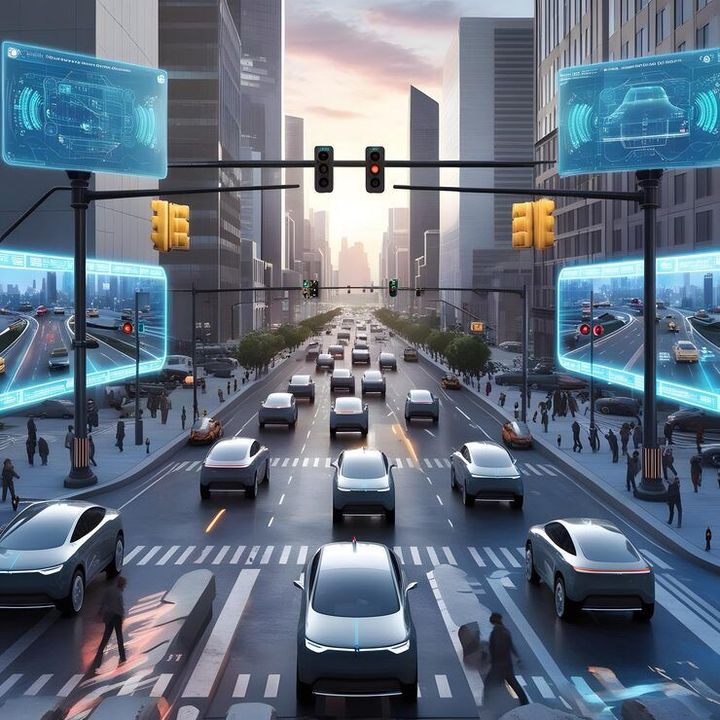
AI for traffic signal optimization is transforming the way cities manage road intersections. Instead of using fixed signal timings, artificial intelligence analyzes live traffic conditions and adjusts traffic lights in real time. This creates smoother traffic flow, reduces delays, and improves the overall efficiency of urban transportation networks.

This guide explains what AI traffic signal optimization is, how it works, why it matters today, recent developments in 2026, practical applications, challenges, and what the future of intelligent traffic management looks like.

What Is AI for Traffic Signal Optimization?

AI for traffic signal optimization is the use of artificial intelligence, machine learning, computer vision, and real-time traffic data to control traffic lights dynamically. Rather than relying on pre-programmed schedules, AI systems continuously monitor vehicle movement and change signal timing based on current traffic conditions.

A traditional traffic light follows a fixed sequence regardless of whether the road is busy or empty. AI-powered traffic signals, however, can detect traffic volume, identify congestion, prioritize certain vehicles, and coordinate multiple intersections simultaneously.

The primary goal is to improve traffic efficiency by minimizing unnecessary waiting times while ensuring safe movement for vehicles, pedestrians, cyclists, and public transportation.

AI traffic signal optimization is an important part of intelligent transportation systems and smart city infrastructure.

Why AI Traffic Signal Optimization Matters Today

Modern cities experience traffic patterns that change throughout the day. Rush hours, special events, accidents, weather conditions, road construction, and emergency situations all influence traffic flow. Static traffic signal timing cannot easily adapt to these changing conditions.

AI addresses this challenge by making traffic signals responsive instead of predictable. This helps intersections operate more efficiently during both busy and quiet periods.

The importance of AI traffic signal optimization extends beyond reducing traffic congestion. It improves travel time reliability, reduces fuel consumption caused by frequent stopping and idling, lowers vehicle emissions, supports faster emergency response, and creates a better commuting experience.

As governments invest in smart infrastructure and sustainable transportation, AI-based traffic management has become a key technology for improving urban mobility.

How AI Traffic Signal Optimization Works

AI traffic signal optimization combines several technologies into one intelligent decision-making system. The process begins with collecting traffic data from different sources and ends with automatically adjusting traffic lights.

Traffic Data Collection

The system gathers information from cameras, road sensors, GPS-enabled vehicles, connected traffic infrastructure, weather systems, and pedestrian crossing sensors. This continuous stream of information creates a real-time picture of traffic activity around an intersection.

AI-Based Traffic Analysis

Machine learning models analyze traffic density, vehicle speed, queue length, pedestrian movement, turning patterns, and traffic flow across connected intersections.

Computer vision technology can identify different road users, including cars, buses, trucks, motorcycles, bicycles, and pedestrians.

Dynamic Signal Timing

Based on its analysis, AI determines how long each traffic signal should remain green, yellow, or red. Signal timing changes automatically according to current demand rather than following a fixed schedule.

If one direction experiences heavy traffic while another remains empty, AI allocates more green time to the busier road.

Continuous Learning

AI systems learn from historical traffic patterns and daily traffic behavior. Over time, they become better at predicting congestion before it occurs and adjusting signals proactively.

This continuous learning makes AI traffic management increasingly effective as more traffic data becomes available.

Key Technologies Behind AI Traffic Signal Systems

Several advanced technologies work together to optimize traffic signals intelligently.

Machine learning identifies recurring traffic patterns and predicts future traffic conditions. Computer vision processes live camera footage to understand vehicle movement and pedestrian activity.

Internet of Things devices connect traffic lights, sensors, and monitoring equipment into one communication network. Edge computing processes traffic data close to intersections for faster decision-making with lower latency.

Cloud computing stores historical traffic information, supports large-scale analytics, and helps cities manage thousands of connected intersections from centralized traffic management centers.

These technologies create an intelligent ecosystem that responds quickly to changing road conditions.

Benefits of AI for Traffic Signal Optimization

AI-powered traffic signals create measurable improvements in traffic management and urban transportation.

Reduced Traffic Congestion

One of the biggest benefits is smoother traffic flow. AI minimizes unnecessary waiting times by adapting signal timing to actual traffic demand instead of fixed schedules.

This reduces congestion at busy intersections and improves movement across connected road networks.

Shorter Travel Times

Adaptive traffic signals help drivers spend less time waiting at red lights. Coordinated intersections also reduce stop-and-go driving, creating more consistent travel times throughout the city.

Lower Fuel Consumption

Vehicles consume more fuel while idling or accelerating repeatedly. AI reduces idle time at intersections, helping improve fuel efficiency and reducing unnecessary energy use.

Reduced Environmental Impact

Less idling means fewer emissions from vehicles. AI traffic optimization supports cleaner urban transportation by lowering carbon emissions and improving air quality.

Improved Road Safety

AI detects pedestrian crossings, monitors unusual traffic behavior, and adjusts signal timing during busy pedestrian periods. Better coordination also reduces intersection conflicts and improves overall road safety.

Better Public Transportation Performance

Traffic signals can prioritize buses and trams approaching intersections. This helps public transportation stay closer to schedule and improves travel reliability for passengers.

AI Traffic Signal Optimization in Smart Cities

Smart cities use AI traffic systems as part of a connected urban infrastructure. Traffic signals communicate with traffic management centers, connected vehicles, public transportation systems, parking systems, and emergency response services.

Instead of optimizing one intersection independently, AI coordinates multiple intersections across an entire traffic corridor.

This coordinated approach creates synchronized green waves that allow vehicles traveling at appropriate speeds to pass through several intersections with fewer stops.

AI traffic optimization also provides city planners with valuable traffic analytics that support infrastructure planning and congestion management strategies.

Recent Developments in AI Traffic Signal Optimization (2025–2026)

The past year has seen significant progress in AI-powered traffic management technologies.

Cities are increasingly deploying adaptive signal control systems that use real-time AI instead of scheduled timing plans. Advances in edge AI allow traffic signals to process camera data directly at intersections without sending all information to centralized servers.

Connected vehicle technology has expanded communication between vehicles and traffic infrastructure, allowing smarter coordination at intersections.

AI models have also improved multimodal traffic management by considering pedestrians, cyclists, buses, emergency vehicles, and delivery vehicles simultaneously.

Several urban transportation projects introduced predictive traffic control, where AI forecasts congestion minutes before it develops and adjusts traffic signals in advance.

These developments support faster, more responsive, and more sustainable traffic management.

Real-World Applications Across Different Environments

AI traffic signal optimization is used in many transportation scenarios beyond standard city intersections.

Busy downtown areas benefit from adaptive signal timing during peak commuting hours. Highway intersections use AI to coordinate traffic entering and exiting major roads.

Airport access roads use intelligent traffic signals to manage changing traffic volumes throughout the day. University campuses improve pedestrian safety while maintaining vehicle movement.

Industrial zones optimize truck traffic during loading and unloading periods. Residential neighborhoods use AI to balance neighborhood traffic with main road traffic.

Large public events also benefit from temporary AI signal optimization that adapts to changing traffic demand before and after gatherings.

Challenges and Limitations

Although AI traffic signal optimization offers many benefits, successful implementation requires careful planning and ongoing management.

Older traffic infrastructure may require upgrades before AI systems can be integrated effectively. High-quality traffic data is essential because inaccurate sensor data can reduce optimization accuracy.

Weather conditions, poor camera visibility, or damaged sensors can affect traffic detection performance. Cybersecurity is also important because connected traffic infrastructure requires secure communication systems.

Cities must also ensure that AI systems remain transparent and continue supporting pedestrian safety, accessibility, and public transportation priorities while optimizing vehicle traffic.

These challenges highlight the importance of combining AI technology with reliable infrastructure and human oversight.

Future Trends in AI Traffic Signal Optimization

The future of traffic signal optimization is moving toward fully connected and predictive transportation systems.

AI will increasingly communicate directly with connected vehicles, allowing vehicles and traffic signals to coordinate movement before reaching intersections.

Digital twins of cities will simulate traffic scenarios and test optimization strategies before deploying them on real roads.

Autonomous vehicles will interact with intelligent traffic infrastructure, improving coordination between self-driving cars and traffic management systems.

Generative AI may also assist transportation planners by analyzing complex traffic scenarios and recommending improvements for road design and signal placement.

As cities continue investing in smart mobility, AI traffic optimization is expected to become more scalable, energy-efficient, and integrated with broader urban transportation systems.

How AI Improves Emergency Vehicle Movement

Emergency response depends heavily on travel time. AI traffic signal systems can detect approaching emergency vehicles through connected communication systems or specialized detection technologies.

When an ambulance, fire truck, or police vehicle approaches an intersection, AI temporarily changes signal timing to create a clear path.

After the emergency vehicle passes, traffic signals automatically return to optimized operation while minimizing disruption to surrounding traffic.

This capability helps improve emergency response efficiency while maintaining coordinated traffic flow across nearby intersections.

The Role of AI in Sustainable Transportation

Sustainable transportation focuses on reducing congestion, emissions, and energy consumption while improving mobility for everyone.

AI traffic signal optimization contributes by encouraging smoother driving patterns, supporting public transportation priority, improving pedestrian crossings, reducing unnecessary fuel consumption, and helping cities monitor transportation performance through real-time analytics.

These improvements align with broader goals of creating safer, cleaner, and more efficient urban transportation systems.

Frequently Asked Questions

What is AI traffic signal optimization?

AI traffic signal optimization uses artificial intelligence to adjust traffic light timing dynamically based on real-time traffic conditions rather than fixed schedules.

How is AI different from traditional traffic signals?

Traditional traffic signals follow predefined timing plans, while AI-powered systems continuously analyze traffic data and adapt signal timing automatically.

Does AI help reduce traffic congestion?

Yes. AI improves traffic flow by responding to changing traffic demand, reducing waiting times, coordinating intersections, and minimizing unnecessary stops.

Can AI prioritize public transportation and emergency vehicles?

Yes. Many AI traffic systems can provide signal priority for buses, trams, ambulances, fire trucks, and other emergency vehicles when appropriate.

Is AI traffic signal optimization part of smart cities?

Yes. AI traffic management is a core component of intelligent transportation systems and smart city infrastructure because it connects traffic signals, sensors, vehicles, and control centers.

Conclusion

AI for traffic signal optimization is changing how cities manage transportation by replacing fixed traffic signal schedules with intelligent, adaptive decision-making. Through machine learning, computer vision, real-time sensors, and connected infrastructure, AI helps intersections respond to changing traffic conditions more efficiently.

The technology improves traffic flow, shortens travel times, supports emergency services, enhances pedestrian safety, reduces fuel consumption, and contributes to cleaner urban environments. As smart city initiatives continue expanding in 2026 and beyond, AI-powered traffic signal optimization will play an increasingly important role in creating safer, more sustainable, and more efficient transportation networks for growing cities around the world.

author-image

Zephyra

I am a creative and detail-oriented Content Writer passionate about producing clear, engaging, and informative content for digital audiences.

September 28, 2026 . 9 min read