A Complete Guide to Industrial Plant Design: Explanation, Knowledge, and Details
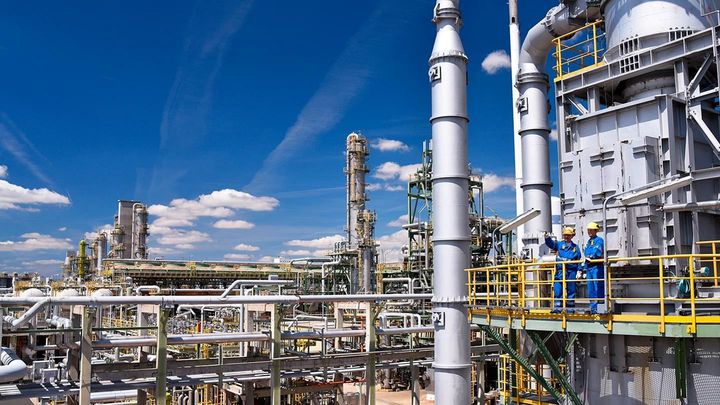
Industrial plant design is the systematic process of planning, arranging, and configuring facilities where manufacturing, processing, or large-scale production activities take place. It combines engineering principles, safety standards, operational workflows, and environmental considerations to create facilities that function efficiently and reliably.
At its core, industrial plant design exists to transform raw materials into finished or semi-finished products through organized processes. This involves decisions about layout, equipment placement, material flow, utilities, storage, and workforce movement. The topic emerged as industries grew more complex, requiring structured planning to avoid inefficiencies, hazards, and production losses.
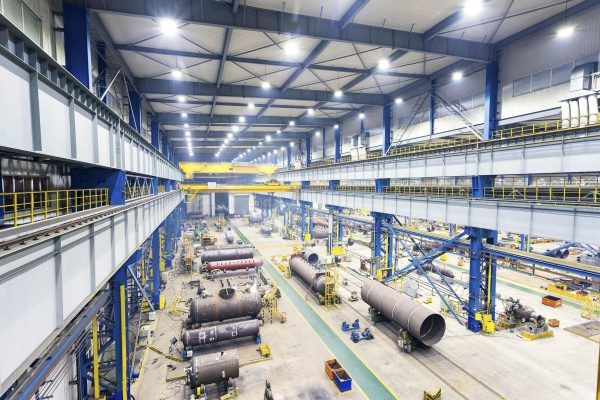
Today, industrial plant design is closely linked with concepts such as process optimization, energy efficiency, digital modeling, and lifecycle planning. High-value technical keywords often associated with this field include industrial engineering design, process plant layout, manufacturing facility planning, plant layout optimization, and industrial infrastructure planning.
Importance: Why Industrial Plant Design Matters
Industrial plant design plays a critical role in modern industry because it directly affects productivity, safety, resource usage, and long-term operational stability. Poor design can lead to congestion, higher energy consumption, maintenance challenges, and safety risks, while effective design supports consistent output and controlled operating conditions.
This topic matters to a wide range of stakeholders, including:
-
Engineers and technical planners
-
Manufacturing and process industries
-
Infrastructure developers
-
Environmental and safety regulators
-
Academic and research institutions
Industrial plant design helps solve several practical challenges:
-
Reducing material handling time and bottlenecks
-
Improving workplace safety and compliance
-
Supporting scalable production systems
-
Minimizing environmental impact through efficient layouts
-
Enabling predictive maintenance and system monitoring
By integrating engineering knowledge with data-driven planning tools, industrial plant design supports resilient industrial ecosystems and sustainable industrial growth.
Recent Updates: Trends and Developments in the Field
Recent developments in industrial plant design have focused on digitalization, automation, and sustainability. Over the past several months, the industry has seen increased adoption of advanced planning technologies and updated design methodologies.
Key trends include:
-
Greater use of digital twins to simulate plant layouts before physical construction
-
Integration of artificial intelligence for process optimization and predictive analysis
-
Increased focus on modular and flexible plant designs to adapt to changing production needs
-
Emphasis on energy-efficient systems and waste reduction strategies
-
Expanded use of Building Information Modeling for multidisciplinary coordination
The growing importance of data-driven decision-making has influenced how plants are designed, monitored, and refined over time. These updates reflect a broader shift toward intelligent industrial infrastructure.
Laws or Policies: Regulatory Influence on Industrial Plant Design
Industrial plant design is shaped by regulatory frameworks that aim to ensure safety, environmental protection, and operational transparency. These rules influence decisions related to layout spacing, emergency exits, equipment placement, emissions control, and worker protection.
Common regulatory considerations include:
-
Occupational health and safety standards
-
Environmental impact assessment requirements
-
Fire safety and hazard control guidelines
-
Structural and seismic design codes
-
Energy efficiency and emissions monitoring norms
While specific regulations vary by jurisdiction, the overall goal remains consistent: to ensure industrial facilities operate responsibly and safely within their surrounding environment. Designers must align technical plans with these frameworks from the early stages of development.
Tools and Resources: Supporting Industrial Plant Design
A wide range of tools and resources support effective industrial plant design. These solutions help translate concepts into practical layouts and measurable outcomes.
Commonly used tools include:
-
Computer-aided design software for plant layout visualization
-
Process simulation platforms for material and energy flow analysis
-
Load calculation tools for utilities and infrastructure planning
-
Safety assessment frameworks and risk analysis matrices
-
Digital documentation and collaboration platforms
Below is an example table showing how tools align with design stages:
| Design Stage | Purpose | Example Tool Type |
|---|---|---|
| Concept Planning | Initial layout ideas | Layout modeling software |
| Process Design | Workflow optimization | Process simulation tools |
| Utility Planning | Energy and load analysis | Engineering calculators |
| Safety Review | Risk identification | Hazard analysis frameworks |
| Optimization | Performance improvement | Data analytics platforms |
These resources help ensure accuracy, compliance, and adaptability throughout the plant lifecycle.
Key Components of Industrial Plant Design
Industrial plant design typically integrates multiple technical components that work together as a unified system.
Important components include:
-
Process flow design defining production steps
-
Equipment selection and spatial arrangement
-
Utility systems such as power, water, and ventilation
-
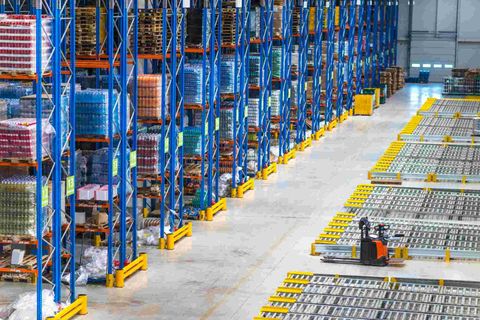
Material handling systems for raw and finished goods
-
Control rooms and monitoring infrastructure
Balancing these priorities is central to effective design outcomes.
FAQs: Common Questions Explained
What is the main objective of industrial plant design?
The primary objective is to create a facility layout that supports efficient, safe, and reliable production while optimizing space, resources, and workflow.
How does plant layout affect productivity?
A well-planned layout reduces unnecessary movement, minimizes delays, and supports smooth material flow, which directly improves operational efficiency.
Is sustainability considered in industrial plant design?
Yes, modern plant design increasingly incorporates energy efficiency, waste reduction, and environmental protection measures as core principles.
What role does technology play in plant design?
Technology supports accurate modeling, simulation, monitoring, and optimization, enabling informed design decisions and continuous improvement.
Can industrial plant design adapt to future changes?
Flexible and modular design approaches allow facilities to adapt to new processes, technologies, and production requirements over time.
Conclusion: Bringing the Concepts Together
Industrial plant design is a foundational discipline that connects engineering knowledge, regulatory awareness, and operational planning. It exists to ensure that industrial facilities function efficiently, safely, and responsibly in increasingly complex production environments.
By understanding its context, importance, recent developments, regulatory influences, and supporting tools, readers can appreciate how thoughtful design decisions shape industrial performance. As industries continue to evolve, industrial plant design remains a critical area of knowledge that supports innovation, resilience, and sustainable progress.