7 Types of Cap Manufacturing Machines Explained
Cap manufacturing machines are used to produce plastic caps and closures for bottles, jars, containers, and other packaging formats.
These machines shape polymers into precise closure components while controlling dimensions, threads, sealing features, and surface details.
Different cap designs require different manufacturing technologies. Cap manufacturing machines can use injection molding, compression molding, extrusion-based processes, or specialized systems depending on the material, closure design, production volume, and quality requirements.
Why Cap Manufacturing Machines Matter
Caps must fit accurately with their corresponding containers. Thread dimensions, inner diameter, sealing surfaces, tamper-evident features, and overall geometry all influence closure performance.
Modern equipment can automate material feeding, molding, cooling, ejection, inspection, and handling. The appropriate machine depends on the type of cap being produced and the required production characteristics.
Key considerations include:
- Polymer type
- Cap dimensions
- Thread configuration
- Closure design
- Production volume
- Mold cavity arrangement
- Cycle time
- Cooling requirements
- Inspection requirements
- Automation level
7 Types of Cap Manufacturing Machines
1. Injection Molding Machines
Injection molding machines are widely used for producing plastic caps and closures. Plastic pellets are heated until molten and injected into a mold cavity under controlled pressure.
The mold contains the detailed geometry of the cap, including threads, sealing areas, ribs, and other features. Once the polymer cools sufficiently, the molded caps are ejected.
Injection molding is suitable for many polypropylene (PP), polyethylene (PE), and other thermoplastic closure designs.
Common applications include:
- Beverage caps
- Food container closures
- Cosmetic caps
- Household product closures
- Pharmaceutical packaging components
2. Compression Molding Machines
Compression molding machines form plastic material inside specially designed cavities using controlled pressure and temperature.
Unlike conventional injection molding, the material is introduced into the cavity and compressed into the required shape. High-speed compression molding systems are widely associated with certain lightweight plastic closures.
Advantages can include short molding cycles, efficient material distribution, and suitability for high-volume closure production.
Compression molding can be particularly useful when manufacturers require consistent cap dimensions and efficient cycle performance.
3. High-Speed Cap Molding Machines
High-speed cap molding machines are designed around rapid production cycles and multi-cavity molds. They can produce large quantities of closures within relatively short production cycles.
These systems often integrate automated material feeding, mold handling, cooling, cap ejection, and downstream transfer.
High-speed systems are generally considered when production requirements demand continuous and consistent output.
4. Multi-Cavity Cap Molding Machines
Multi-cavity machines contain molds with multiple cavities, allowing several caps to be formed during one molding cycle.
For example, a mold may contain dozens of cavities depending on the machine configuration and cap design. Increasing the number of cavities can increase output per cycle while maintaining a consistent molding process.
However, multi-cavity systems require careful control of:
- Mold temperature
- Material flow
- Cavity filling
- Cooling
- Ejection
- Cavity-to-cavity consistency
They are commonly used for standardized closures produced in larger quantities.
5. Two-Color or Multi-Material Cap Molding Machines
Some closures contain more than one material or visual component. Specialized molding systems can produce multi-color or multi-material caps within a coordinated manufacturing cycle.
For example, a closure may combine a rigid outer component with a softer sealing element.
These machines require specialized mold configurations and process controls to coordinate the different materials.
Potential applications include:
- Specialty beverage closures
- Cosmetic packaging
- Functional dispensing closures
- Sealing components
- Decorative closures
6. Cap Compression Molding Systems with Integrated Handling
Some modern compression molding lines combine molding with automated cap handling and downstream operations.
After forming, the caps can move through cooling, separation, inspection, and transfer systems without requiring extensive manual handling.
Integrated handling can help maintain controlled movement of caps between production stages and reduce interruptions in continuous production.
These systems can be configured with:
- Automatic material feeding
- Compression molds
- Cooling systems
- Cap conveyors
- Vision inspection
- Sorting equipment
- Collection systems
7. Specialized Closure Manufacturing Machines
Specialized machines are designed for caps that require unusual geometries, dispensing features, sealing components, or tamper-evident structures.
Examples include flip-top closures, sports caps, dispensing caps, child-resistant closures, and other engineered packaging components.
The manufacturing system may combine molding technologies with additional assembly or finishing operations.
Cap Manufacturing Process
Although the exact process varies by machine type, a typical plastic cap production sequence includes several stages.
1. Material Preparation
Plastic resin such as PP or PE is prepared for processing. Material handling systems can transfer resin from storage to the molding machine.
Depending on the polymer and production conditions, material preparation may include drying, blending, or controlled feeding.
2. Melting or Conditioning
The polymer is heated or otherwise conditioned to reach the appropriate processing state.
Injection molding systems melt the polymer inside a heated barrel, while compression molding systems use controlled material dosing and heating during the molding process.
3. Molding
The prepared polymer enters the cap mold and takes the required shape.
The mold determines the cap's external dimensions, internal geometry, threads, sealing features, and other design elements.
4. Cooling
After forming, the cap is cooled so that it can retain its intended geometry. Mold cooling channels help control the temperature during the production cycle.
5. Ejection
Once sufficiently stable, the finished cap is removed from the mold. Automated ejection systems transfer caps to conveyors or downstream equipment.
6. Inspection
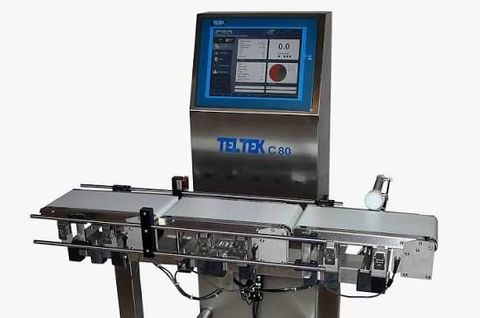
Inspection systems evaluate dimensions, appearance, threads, sealing surfaces, and other characteristics.
Common quality checks include:
| Quality Check | What It Evaluates |
|---|---|
| Cap weight | Material consistency |
| Diameter | Dimensional accuracy |
| Height | Overall geometry |
| Thread inspection | Bottle compatibility |
| Inner diameter | Fit and sealing |
| Visual inspection | Surface defects |
| Torque testing | Opening and closing characteristics |
| Leak testing | Closure integrity |
Comparison of Cap Manufacturing Machines
| Machine Type | Typical Process | Key Characteristic |
|---|---|---|
| Injection molding | Molten polymer injection | Flexible cap designs |
| Compression molding | Material compression | Efficient closure production |
| High-speed molding | Rapid molding cycles | High production throughput |
| Multi-cavity molding | Multiple cavities | Higher output per cycle |
| Multi-material molding | Multiple materials | Complex closure designs |
| Integrated compression systems | Molding + handling | Automated production flow |
| Specialized machines | Customized molding | Advanced closure features |
How to Choose Cap Manufacturing Machines
Material Compatibility
Determine whether the cap uses PP, PE, or another thermoplastic. Material characteristics influence molding temperature, cooling requirements, and mold design.
Cap Design
Evaluate thread geometry, sealing surfaces, tamper-evident bands, dispensing features, ribs, and other design elements.
Production Requirements
Production volume influences the number of mold cavities, machine configuration, cycle characteristics, and automation requirements.
Mold Configuration
The mold is one of the most important parts of the manufacturing system. Multi-cavity molds can increase output, while specialized molds accommodate complex closure designs.
Quality Requirements
Caps must maintain consistent dimensions and fit properly with their corresponding containers. Inspection requirements should therefore be considered during equipment planning.
Applications of Cap Manufacturing Machines
Cap manufacturing equipment is used across many packaging industries, including:
- Beverage packaging
- Food packaging
- Pharmaceutical packaging
- Cosmetic packaging
- Personal-care packaging
- Household chemical packaging
- Industrial packaging
- Specialty dispensing containers
Frequently Asked Questions
What are cap manufacturing machines?
Cap manufacturing machines are industrial systems used to form plastic polymers into bottle caps, closures, and related packaging components.
Which machine is commonly used to manufacture plastic caps?
Injection molding and compression molding machines are commonly used for plastic caps. The appropriate technology depends on the closure design, material, and production requirements.
What materials are used for plastic caps?
Polypropylene and polyethylene are commonly used for plastic closures. Other thermoplastic materials can also be selected for specific packaging requirements.
How are bottle cap threads manufactured?
Threads are incorporated into the mold cavity during the molding process. The molded geometry creates the internal or external thread required for compatibility with the container.
How is cap quality checked?
Quality checks can include weight, dimensions, thread geometry, sealing performance, appearance, opening torque, and compatibility with the corresponding container.
Conclusion
The 7 types of cap manufacturing machines discussed above represent different approaches to producing plastic closures. Injection molding, compression molding, multi-cavity systems, high-speed equipment, and specialized technologies each address different production requirements.
The right equipment depends on the polymer, cap design, production volume, mold configuration, quality specifications, and required automation. Understanding these differences provides a useful foundation for planning a consistent cap manufacturing process.