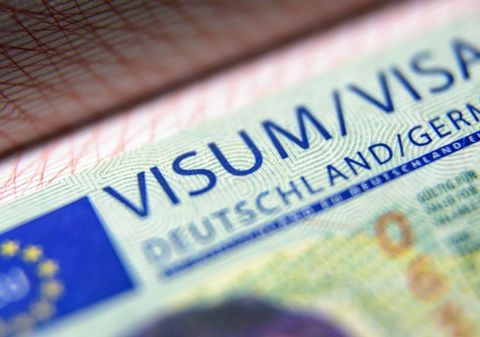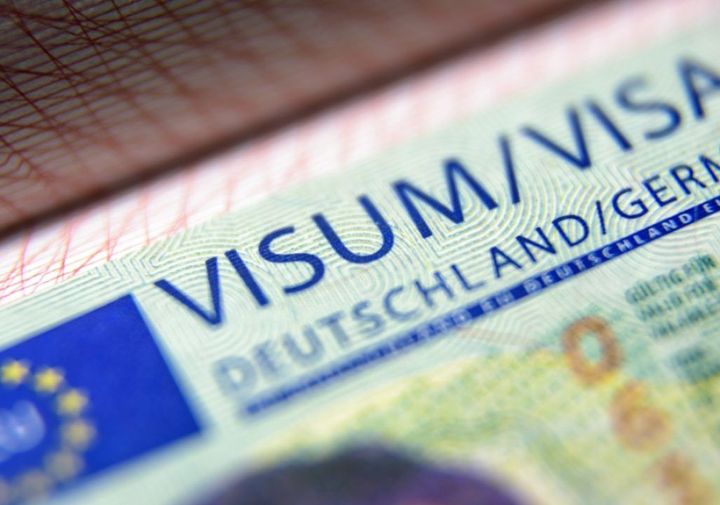
Work Visa in Germany: A Complete Guide for Foreign Workers
Germany is a popular destination for international professionals seeking career opportunities, competitive salaries, and a high standard of living.
With demand for skilled employees across sectors such as information technology, engineering, healthcare, manufacturing, logistics, and research, the country offers several immigration routes for eligible foreign workers.
Getting a work visa in Germany generally requires applicants from outside the European Union (EU) and European Economic Area (EEA) to meet the conditions of a suitable visa or residence permit. The right option depends on your qualifications, professional experience, employment offer, salary, and intended occupation.
This guide explains the main types of German work visas, eligibility requirements, application procedures, documents, and practical tips for applicants in 2026.
What Is a Work Visa in Germany?
A German work visa is an authorization that allows eligible foreign nationals to enter Germany for employment. Depending on the applicant's circumstances, the individual may receive a national visa for entry and subsequently obtain a residence permit or another residence title that permits employment.
Germany offers different pathways for qualified professionals, university graduates, experienced workers, and people who want to search for employment.
Citizens of EU and EEA countries generally benefit from freedom of movement and do not need the same employment visa as most non-EU nationals. Applicants from countries such as India, China, and other non-EU countries should check the requirements that apply to their nationality and circumstances.
Official guidance is available through the German government's Make it in Germany portal.
Types of Work Visas in Germany
Choosing the correct visa category is an important first step. The following options cover several common routes for international workers.
1. Skilled Worker Visa
The skilled worker visa is designed for people with qualifying vocational training or university education who have secured suitable employment in Germany.
Applicants generally need a recognized or comparable qualification and a specific job offer for qualified employment. Additional licensing or recognition requirements may apply to regulated occupations, including certain healthcare and teaching professions.
An important advantage is that the job does not always have to match the applicant's original field of study, provided the other applicable conditions are satisfied.
2. EU Blue Card
The EU Blue Card is a residence option for eligible highly qualified professionals, particularly university graduates who receive qualifying employment offers.
For 2026, the general minimum annual gross salary threshold is €50,700. A lower threshold of €45,934.20 applies to eligible shortage occupations and certain other qualifying categories, including some recent graduates.
IT professionals without a university degree may also qualify under specific experience-based provisions.
The Blue Card can provide benefits for eligible applicants, including a route toward permanent residence, subject to the applicable conditions. Applicants should confirm the salary threshold and occupation criteria before applying.
3. Visa for Professionally Experienced Workers
Germany also has a route for certain workers whose eligibility is based on professional experience rather than the standard qualification-recognition route.
Under the relevant provisions, applicants generally need a qualifying vocational or academic qualification, relevant professional experience, and a suitable job offer. Specific salary requirements or collective-agreement rules may apply.
This pathway can be useful for experienced workers in occupations that do not require a German professional licence. However, eligibility depends on the exact qualification, work history, job, and current immigration rules.
4. Opportunity Card (Chancenkarte)
The Opportunity Card is intended for eligible non-EU nationals who want to enter Germany to look for employment rather than arrive with a confirmed job offer.
Depending on the route used, applicants must satisfy criteria relating to qualifications, recognition, language skills, points, and financial resources.
The Opportunity Card is not the same as a standard employment visa. It provides a regulated route for job searching, with specific rules governing permitted work while looking for a job.
Applicants should check the official requirements before relying on this option.
Germany Work Visa Requirements in 2026
Requirements vary by visa category, but common conditions include the following:
Valid passport: Your passport must meet the relevant validity and documentation requirements.
Recognized qualifications: You may need a recognized degree, comparable academic qualification, or qualifying vocational training.
Job offer or employment contract: Most employment visa categories require a specific qualifying job offer.
Relevant professional experience: Some routes require evidence of experience in the intended occupation.
Salary requirements: Certain permits, including the EU Blue Card, have minimum salary thresholds.
Professional authorization: Regulated occupations may require formal recognition and a licence to practise.
Financial resources: You may need to demonstrate that you can support yourself, depending on the visa category.
Health insurance: Appropriate insurance coverage is generally required for the visa and transition to living in Germany.
Language skills: German or English requirements depend on the occupation, employer, and visa route.
Applicants aged over 45 who are coming to Germany for employment for the first time may face additional salary or pension-provision requirements under certain skilled-worker routes. For 2026, the stated salary threshold for the relevant qualified-professional route is €55,770 annually, unless adequate pension provision is demonstrated.
Always verify the rules for your specific visa category through official German immigration sources.
Documents Required for a German Work Visa
Preparing a complete application can help reduce avoidable delays. Depending on the visa category and the responsible German mission, documents may include:
A valid passport and completed application form.
Recent biometric passport photographs.
A signed employment contract or formal job offer.
Academic certificates, diplomas, or vocational training documents.
Proof of qualification recognition or comparability, where required.
A detailed CV outlining education and employment history.
Evidence of professional experience, if relevant.
Employer documentation, such as the required declaration regarding the employment relationship.
Proof of health insurance.
Evidence of financial resources, if applicable.
Language certificates, where required.
Any additional forms or supporting documents requested by the German embassy or consulate.
The exact checklist can differ by location and visa type. Applicants should follow the instructions of the German mission responsible for their place of residence.
How to Apply for a Work Visa in Germany
The application process typically follows several steps.
Step 1: Find a Suitable Job
Search for vacancies that match your skills, experience, and qualifications. Research employers carefully and confirm that the role is genuine and meets the requirements of the visa category you intend to use.
You can explore opportunities through Germany's official Make it in Germany job listings and career guidance.
Step 2: Check Your Qualification
Determine whether your foreign degree or vocational qualification is recognized or comparable to the relevant German qualification.
Applicants in regulated professions may need formal recognition and professional authorization before they can begin working.
Step 3: Choose the Correct Visa Category
Compare the skilled worker visa, EU Blue Card, experienced-worker route, and Opportunity Card. Consider whether you already have a job offer, what qualifications you hold, and whether your salary meets the applicable criteria.
Step 4: Prepare Your Documents
Collect your passport, employment documents, certificates, CV, insurance evidence, and any required recognition documents. Ensure that names, dates, and employment details are consistent across the application.
Arrange certified translations or additional document verification if the responsible mission requires them.
Step 5: Submit Your Application
Depending on the category and location, you may be able to begin the application through Germany's Consular Services Portal or follow the process specified by the responsible embassy or consulate.
Pay the applicable fees and attend any required appointment or interview. Additional documents may be requested during processing.
Step 6: Travel to Germany and Complete Local Formalities
Once your visa is approved, check its validity and employment conditions before travelling. After arrival, register your residential address when required and apply for the appropriate residence permit before your entry visa expires.
You should also arrange suitable health insurance and complete any employment-related formalities with your employer.
How Much Does a Germany Work Visa Cost?
The total cost depends on your visa type, location, and individual circumstances. Applicants should budget for more than the visa application fee alone.
Possible expenses include:
Visa application fees.
Qualification recognition or assessment charges.
Translation and document certification costs.
Language examinations, if required.
Travel and accommodation.
Health insurance and initial living expenses.
Residence permit fees after arrival, where applicable.
Fees and procedures can change. Confirm current charges with the relevant German mission and recognition authority before making payments.
How Long Does It Take to Get a Work Visa in Germany?
Processing times vary depending on the visa category, the responsible embassy or consulate, the completeness of the application, and whether additional checks are required.
Qualification recognition may also take additional time. Applicants should therefore begin preparing documents early and avoid making non-refundable travel arrangements before their visa is issued.
A complete application, accurate information, and prompt responses to requests for additional documents can help prevent unnecessary delays, although they cannot guarantee approval within a particular timeframe.
Tips for Finding a Job in Germany
A strong job-search strategy can improve your chances of finding an employer willing to hire an international candidate.
Create a professional CV: Highlight relevant skills, qualifications, achievements, and measurable results.
Research employers: Prioritize companies that recruit internationally and have experience hiring foreign professionals.
Learn German: Even where German is not mandatory for a particular role, language skills can improve workplace communication and access to opportunities.
Check qualification requirements: Verify whether your profession requires recognition or licensing.
Tailor each application: Adapt your CV and cover letter to the job description.
Verify recruitment agencies: Be cautious of anyone promising guaranteed visas or jobs in exchange for large upfront payments.
Applicants should confirm any recruitment offer directly with the employer and use official government resources to verify immigration requirements.
Frequently Asked Questions
Is it possible to get a work visa in Germany without a job offer?
Some routes, including the Opportunity Card, allow eligible applicants to enter Germany to search for employment. Most standard employment visa categories require a qualifying job offer.
Is German language proficiency compulsory?
Not for every visa or occupation. Requirements depend on the specific route, employer, and profession. However, German is essential or strongly recommended for many roles, particularly in healthcare and public-facing occupations.
Can I bring my family to Germany?
Eligible foreign workers may be able to bring their spouse or partner and children through family reunification. Conditions depend on the residence title and the family's circumstances.
Can a German work visa lead to permanent residence?
Yes, certain residence titles provide pathways to permanent residence if applicants meet the relevant conditions. The timeline and requirements differ by permit type.
Where can I check official work visa information?
Visit the German government's Make it in Germany portal and the Federal Foreign Office website. These sources provide guidance on visa categories, application procedures, and supporting documents.
Conclusion
A work visa in Germany can open the door to valuable international career opportunities, but the correct application route depends on your qualifications, experience, job offer, and personal circumstances. Skilled worker visas, the EU Blue Card, experience-based employment routes, and the Opportunity Card each serve different purposes.
To improve your preparation, research eligible occupations, confirm your qualification status, gather the necessary documents, and check the latest official rules before applying. Careful planning can help you navigate the process with greater confidence and prepare for a successful professional move to Germany.