Jump to a Chapter

Wheel Loaders: Complete Guide to Types, Working, Applications, Benefits, and Maintenance

Wheel Loaders: Complete Guide to Types, Working, Applications, Benefits, and Maintenance

Wheel loaders are among the most versatile and widely used heavy construction machines in the world. From moving soil on construction sites to handling bulk materials in mining, agriculture, and industrial facilities, these machines play an essential role in improving productivity and reducing manual labor. Their ability to transport, load, and carry materials efficiently makes them a valuable piece of equipment across many industries.


As construction projects become larger and infrastructure development continues worldwide, wheel loaders are evolving with smarter technologies, better fuel efficiency, and improved safety features. Modern machines are designed not only to lift and transport heavy materials but also to operate comfortably for long working hours while minimizing environmental impact.

This guide explains what wheel loaders are, how they work, where they are used, their major types, advantages, maintenance practices, safety considerations, and recent developments shaping the industry in 2026.

What Are Wheel Loaders and Why Are They Important?

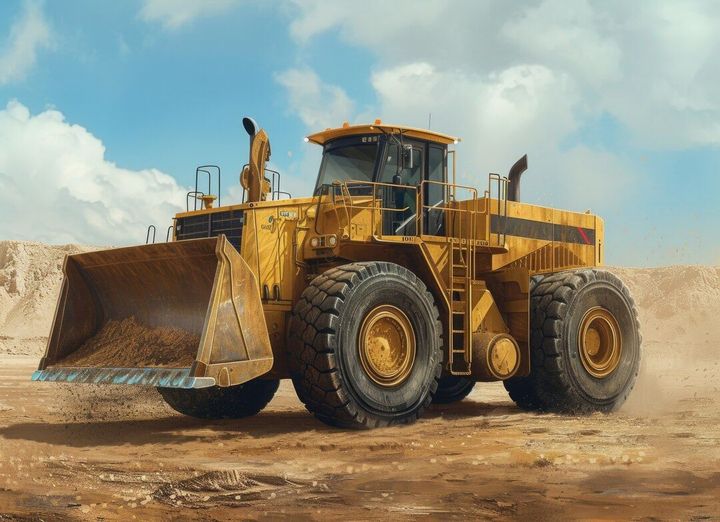
A wheel loader is a heavy-duty construction machine equipped with a large bucket attached to hydraulic lifting arms at the front. It is designed to scoop, lift, carry, and dump materials such as sand, gravel, soil, rocks, coal, snow, and construction debris. Unlike tracked loaders, wheel loaders travel on large rubber tires, allowing them to move quickly across paved roads and construction sites.

Wheel loaders exist to simplify material handling tasks that would otherwise require significant manual labor or multiple machines. They combine mobility, lifting capacity, and versatility into a single machine capable of performing different jobs by using interchangeable attachments.

Their importance extends beyond construction. Agriculture uses wheel loaders for handling feed and fertilizer. Mining operations rely on them for transporting ore and waste materials. Warehouses and ports use specialized loaders for handling bulk goods, while municipalities use them for road maintenance and snow removal.

Because they can work in diverse environments and adapt to multiple applications, wheel loaders remain one of the most commonly used pieces of heavy equipment worldwide.

How Wheel Loaders Work

Wheel loaders operate through a combination of engine power, hydraulic systems, steering mechanisms, and transmission systems. The engine generates power that drives both the wheels and the hydraulic pumps responsible for lifting and tilting the bucket.

The hydraulic system is the heart of the machine. Hydraulic cylinders raise the lift arms and control bucket movement with precision. Operators can scoop materials, lift them to the desired height, transport them, and dump them into trucks, hoppers, or storage areas.

Modern wheel loaders also feature articulated steering. Instead of turning the front wheels independently like a regular vehicle, the machine bends in the middle through a central pivot joint. This design improves maneuverability, allowing the loader to work efficiently in tight construction sites and industrial facilities.

The operator controls movement through a cabin equipped with steering controls, pedals, joysticks, and digital displays that monitor machine performance, fuel usage, hydraulic pressure, and maintenance alerts.

Types of Wheel Loaders

Wheel loaders are available in different sizes and configurations to meet various operational requirements.

Compact wheel loaders are designed for smaller construction projects, landscaping, farming, and municipal work. They are easy to transport, consume less fuel, and perform well in confined spaces.

Medium wheel loaders are commonly used in commercial construction, road building, recycling facilities, and material yards. They balance lifting capacity with maneuverability and productivity.

Large wheel loaders are built for demanding operations such as mining, quarrying, port handling, and large infrastructure projects. They feature powerful engines, larger buckets, and higher lifting capacities.

Specialized wheel loaders are designed for unique industries. High-lift loaders work in forestry and timber operations, while industrial loaders handle waste, recycling materials, or agricultural products using specialized attachments.

Choosing the right type depends on workload, terrain, bucket size, lifting requirements, and operating environment.

Common Components of a Wheel Loader

Every wheel loader consists of several major components that work together to perform lifting and loading operations.

The bucket is the primary attachment used for scooping and transporting materials. Different bucket designs exist for loose materials, rocks, snow, agricultural products, and demolition debris.

The lift arms connect the bucket to the machine and provide the lifting motion through hydraulic cylinders.

The hydraulic system powers bucket lifting, lowering, tilting, and attachment operation with precise control.

The engine supplies mechanical power to both movement and hydraulic operations.

The articulated frame improves steering flexibility and allows the machine to navigate narrow spaces.

The operator cabin provides visibility, ergonomic seating, safety controls, climate control, and digital monitoring systems for comfortable operation.

Counterweights positioned at the rear help balance heavy loads carried in the front bucket, improving stability during lifting operations.

Where Wheel Loaders Are Used

Wheel loaders are used across a wide range of industries because of their flexibility and ability to perform multiple material handling tasks.

Construction sites use wheel loaders for transporting aggregates, filling dump trucks, clearing debris, leveling surfaces, and handling excavation materials.

Mining operations use heavy-duty loaders to move rocks, minerals, and overburden between excavation zones and transport vehicles.

Agriculture uses wheel loaders for handling grain, silage, manure, compost, feed, and fertilizer. Attachments allow loaders to perform additional farm tasks throughout the year.

Industrial manufacturing plants use loaders for moving raw materials, recycling waste, loading storage bins, and managing bulk products.

Municipal services depend on wheel loaders for snow removal, road cleaning, waste management, disaster cleanup, and park maintenance.

Ports and logistics centers use specialized loaders to handle coal, fertilizer, wood chips, and other bulk cargo efficiently.

Benefits of Using Wheel Loaders

Wheel loaders provide significant operational advantages across industries because they combine speed, lifting power, and versatility.

Their mobility allows operators to move quickly between work areas without needing trailers for short distances. Rubber tires reduce damage to paved surfaces and improve travel speed compared to tracked equipment.

High productivity enables operators to move large volumes of material within short periods, reducing project completion time.

Interchangeable attachments increase machine versatility. Buckets, pallet forks, grapples, snow pushers, brooms, and material handlers allow one machine to perform multiple tasks.

Modern hydraulic systems improve lifting precision, helping operators place materials accurately into trucks, containers, or storage areas.

Improved cabin ergonomics reduce operator fatigue during long shifts through better seating, climate control, visibility, and digital monitoring.

Many newer models also include fuel-efficient engines and intelligent hydraulic controls that optimize power usage based on workload.

Wheel Loader Attachments and Their Uses

One reason wheel loaders remain valuable is their compatibility with different attachments that expand machine capabilities.

Standard buckets handle sand, gravel, soil, and loose construction materials.

Rock buckets feature reinforced designs for quarry and mining operations involving abrasive materials.

Pallet forks transform loaders into lifting equipment for transporting construction materials, equipment, and pallets.

Grapple attachments handle logs, scrap metal, recycling materials, and bulky waste.

Snow blades and snow buckets support winter road maintenance and airport operations.

Sweepers and brooms clean roads, warehouses, factories, and construction sites after project completion.

Quick coupler systems allow operators to switch between attachments rapidly, reducing downtime and improving equipment utilization.

Maintenance Practices for Long-Term Performance

Regular maintenance is essential for keeping wheel loaders reliable, efficient, and safe during demanding operations.

Daily inspections help identify hydraulic leaks, damaged hoses, worn tires, loose bolts, fluid levels, and bucket wear before operations begin.

Engine maintenance includes monitoring oil levels, replacing filters, inspecting coolant, and ensuring air intake systems remain clean.

Hydraulic systems require regular inspection because contaminated hydraulic fluid or damaged cylinders can reduce lifting performance.

Tires should be checked for pressure, cuts, uneven wear, and proper inflation, especially when operating on rough terrain.

Lubricating pivot pins, articulation joints, lift arms, and moving components reduces wear and extends equipment life.

Cooling systems should remain free from dirt and debris to prevent overheating during heavy workloads.

Cleaning the machine after work removes mud, dust, chemicals, and debris that may accelerate corrosion or component wear.

Following manufacturer-recommended service intervals helps reduce unexpected downtime and costly repairs.

Safety Guidelines for Operating Wheel Loaders

Wheel loaders handle heavy loads, making safety an important part of everyday operation.

Operators should receive proper training before using the machine and understand all controls, warning systems, and operating procedures.

Pre-operation inspections help identify mechanical issues before work begins.

Seat belts should always be worn while operating the loader, even during short-distance movement.

Loads should remain within the machine's rated lifting capacity to maintain stability and prevent tipping.

Traveling with the bucket lowered improves visibility and lowers the machine's center of gravity.

Worksites should remain clear of pedestrians within the operating area because wheel loaders have blind spots around the machine.

Operating on slopes requires careful speed control and proper bucket positioning to reduce rollover risk.

Regular communication between operators and ground personnel improves coordination during loading operations.

Environmental Efficiency and Sustainability

Modern wheel loaders are increasingly designed to support sustainable construction and industrial practices.

Fuel-efficient engines reduce fuel consumption while maintaining productivity during demanding workloads.

Hybrid and electric wheel loaders are becoming more common in urban construction projects where lower emissions and reduced noise are priorities.

Smart idle management automatically reduces engine speed when the machine is inactive, helping conserve fuel.

Advanced hydraulic systems deliver power only when needed, improving efficiency during lifting and loading cycles.

Many manufacturers also use recyclable materials and environmentally friendly manufacturing processes when producing heavy equipment components.

These improvements help businesses reduce operating costs while supporting environmental compliance.

Recent Developments in Wheel Loaders (2025–2026)

The wheel loader industry has experienced significant technological improvements during the past year as automation and digital construction technologies continue expanding.

Manufacturers have introduced more electric wheel loaders for indoor operations, municipal projects, and environmentally sensitive construction sites.

Telematics systems now provide real-time monitoring of machine location, fuel usage, idle time, maintenance schedules, and operator performance through cloud-connected dashboards.

Artificial intelligence is improving machine efficiency by optimizing hydraulic power distribution and assisting operators during repetitive loading tasks.

Semi-autonomous wheel loaders are being tested in mining and industrial environments where machines perform repetitive loading cycles with minimal operator intervention.

Enhanced safety technologies now include 360-degree cameras, obstacle detection, collision alerts, and intelligent visibility systems that help reduce workplace accidents.

Digital fleet management platforms allow construction companies to monitor multiple wheel loaders remotely, improving maintenance planning and equipment utilization.

These innovations are making wheel loaders smarter, safer, and more efficient for modern construction and industrial operations.

Choosing the Right Wheel Loader for Different Projects

Selecting an appropriate wheel loader depends on project size, material type, operating environment, and productivity requirements.

Compact models work well for landscaping, farming, municipal maintenance, and residential construction.

Medium-sized loaders suit commercial construction, recycling plants, warehouses, and road projects where balance between power and mobility is important.

Large loaders are better suited for mining, quarrying, ports, and large-scale infrastructure development where maximum lifting capacity and durability are required.

Operators should also consider bucket capacity, attachment compatibility, fuel efficiency, tire design, hydraulic performance, cabin comfort, and maintenance accessibility when selecting equipment for long-term operations.

Matching machine capabilities with project requirements improves productivity, safety, and operational efficiency.

The Future of Wheel Loaders

Wheel loaders are evolving alongside digital construction, automation, and sustainability initiatives. Future machines are expected to feature more autonomous capabilities, electric powertrains, predictive maintenance systems, and intelligent hydraulic controls that improve productivity while reducing emissions.

Connected construction sites will allow wheel loaders to communicate with excavators, dump trucks, and project management systems for better workflow coordination. Artificial intelligence will continue assisting operators through smarter load measurement, automated digging assistance, and improved safety monitoring.

As industries focus on efficiency and environmental responsibility, wheel loaders will remain an essential machine for material handling, infrastructure development, mining, agriculture, logistics, and industrial operations.

Conclusion

Wheel loaders are one of the most adaptable heavy equipment machines used across construction, mining, agriculture, manufacturing, and municipal services. Their ability to scoop, lift, transport, and dump materials quickly makes them an essential part of modern material handling operations.

Understanding how wheel loaders work, the different types available, attachment options, maintenance requirements, safety practices, and emerging technologies helps businesses and operators choose the right equipment for specific applications. With advancements in electric power, automation, telematics, and intelligent hydraulic systems, wheel loaders are becoming more efficient, safer, and better suited for the future of construction and industrial work in 2026 and beyond.

author-image

Zephyra

I am a creative and detail-oriented Content Writer passionate about producing clear, engaging, and informative content for digital audiences.

September 22, 2026 . 9 min read