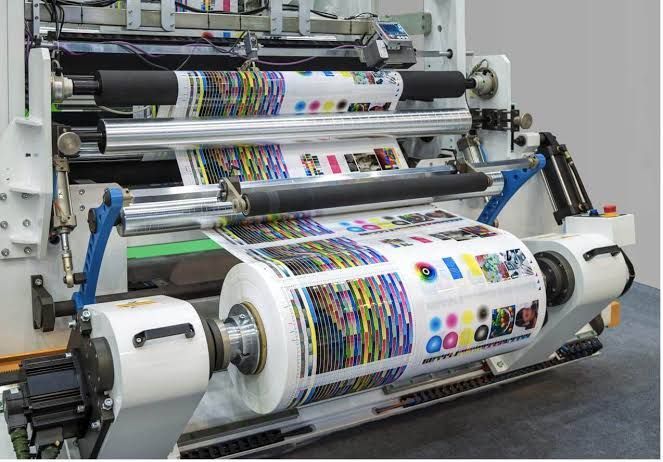
What Are Industrial Printing Machines and How Do They Work?
Industrial printing machines are specialized systems designed to print text, graphics, codes, labels, patterns, and other information onto products, packaging, components, and industrial materials.
Unlike standard office printers, these machines are engineered for continuous production, demanding environments, high throughput, and specialized substrates.
Modern industrial printing equipment can use technologies such as inkjet, digital printing, flexographic printing, screen printing, thermal transfer, and other application methods. The appropriate system depends on the material, print requirements, production speed, and intended application.
Why Industrial Printing Machines Matter
Printing is an important part of many manufacturing and packaging processes. Product information, identification codes, branding elements, safety instructions, batch numbers, and traceability information may need to be applied directly to products or their packaging.
Industrial printing systems are designed to provide consistent results during production. Depending on the technology, they can support:
- High-speed production lines
- Variable data printing
- Product identification
- Barcode and QR code printing
- Packaging graphics
- Component marking
- Large-format graphics
- Decorative printing
- Traceability information
The ability to integrate printing directly into a manufacturing line can also help reduce manual handling and maintain production consistency.
How Industrial Printing Machines Work
Although different technologies operate differently, most industrial printing processes follow a series of basic stages.
1. Material Preparation
The first step is preparing the substrate or product that will receive the print. Materials can include paper, cardboard, plastic films, glass, metal, textiles, wood, ceramics, and manufactured components.
Surface condition is important because dust, moisture, oil, or an unsuitable surface can affect ink adhesion and print quality.
2. Digital or Physical Design Preparation
The required artwork, text, code, or graphics are prepared using appropriate software or control systems. Modern industrial printers may receive print data directly from production-management systems.
Variable information such as serial numbers, dates, barcodes, and batch codes can often be generated automatically.
3. Material Feeding
The substrate is transported through the printing system using conveyors, rollers, web-handling systems, or other mechanisms.
The feeding system needs to maintain appropriate positioning and speed so that the print is applied accurately.
4. Printing or Marking
The printing mechanism applies the required image or information to the substrate.
For example, industrial inkjet printing machines can deposit small droplets of ink without requiring direct contact with the substrate. Flexographic systems use flexible printing plates, while screen printing transfers ink through a prepared mesh.
Different technologies provide different combinations of speed, resolution, durability, and substrate compatibility.
5. Drying or Curing
After printing, the ink or coating may need to dry or cure. Depending on the printing technology, this can involve air drying, heat, infrared energy, ultraviolet light, or other curing methods.
Proper drying is particularly important when products must immediately continue through the production line.
6. Inspection
Industrial printing systems may incorporate cameras, sensors, or other inspection technologies to identify printing defects.
Automated inspection can check characteristics such as:
- Print position
- Text readability
- Barcode quality
- Color consistency
- Missing characters
- Image defects
- Registration accuracy
Major Types of Industrial Printing Machines
Different printing technologies are designed for different production requirements.
| Printing Technology | Typical Applications | Key Characteristics |
|---|---|---|
| Inkjet | Product marking, coding, packaging | Non-contact, variable data |
| Digital printing | Packaging, labels, graphics | Flexible and data-driven |
| Flexographic | Flexible packaging, labels | High-speed production |
| Screen printing | Components, graphics, textiles | Durable printed layers |
| Thermal transfer | Labels, coding | Sharp variable information |
| Pad printing | Irregular components | Suitable for shaped surfaces |
Industrial Inkjet Printing Machines
Inkjet systems are widely used for non-contact printing and product identification. They can print dates, codes, logos, characters, and other variable information directly onto suitable surfaces.
Continuous inkjet and drop-on-demand technologies are two common approaches, with each offering different operating characteristics.
Industrial Digital Printing Machines
Digital printing systems create images directly from digital data without requiring traditional printing plates. They can be suitable for applications involving variable designs, short production runs, personalized graphics, or rapid design changes.
Flexographic Printing Machines
Flexographic printing uses flexible plates to transfer ink onto a substrate. These machines are commonly associated with packaging, labels, films, paper products, and other high-volume applications.
Screen Printing Machines
Screen printing pushes ink through a mesh screen onto the substrate. It can produce relatively thick and durable printed layers and is used across industrial components, electronics, textiles, signage, and decorative applications.
Applications of Industrial Printing Equipment
Industrial printing machines are used across numerous manufacturing sectors.
Packaging
Printing systems can apply graphics, product information, barcodes, regulatory information, and other content to packaging materials.
Product Identification
Manufacturers can print batch numbers, manufacturing dates, serial numbers, and other information directly onto products or components.
Electronics
Specialized printing technologies can be used for markings, graphics, conductive materials, and other manufacturing processes within electronics production.
Automotive Manufacturing
Industrial printers can support component identification, labels, markings, and selected decorative applications.
Pharmaceuticals
Printing equipment can be used for packaging identification, variable information, codes, and traceability requirements.
Construction Materials
Products such as pipes, panels, cables, and other construction materials may require permanent identification or surface marking.
Factors to Consider When Selecting an Industrial Printing Machine
Choosing industrial printing equipment requires an assessment of the complete production process.
Important considerations include:
- Substrate: Determine whether the material is paper, plastic, metal, glass, textile, or another surface.
- Print requirements: Consider resolution, color, graphics, text, codes, and variable information.
- Production speed: Match machine throughput with the manufacturing line.
- Ink or printing technology: Select a technology compatible with the substrate and required durability.
- Print size: Determine the required character, image, or coverage area.
- Integration: Consider communication with conveyors, sensors, databases, and production-control systems.
- Maintenance: Evaluate cleaning, consumables, component replacement, and routine inspection requirements.
- Environmental conditions: Temperature, humidity, dust, chemicals, and other conditions can affect equipment selection.
Automation and Smart Printing Systems
Modern industrial printing systems increasingly incorporate automation and digital controls. Sensors can detect products and trigger printing at precise positions, while software can manage variable information and production data.
Some systems can also communicate with manufacturing execution systems and other factory-control platforms. These capabilities can improve traceability and reduce manual data entry.
Automated inspection can provide another layer of process control by identifying printing errors during production rather than relying entirely on manual inspection.
Best Practices for Industrial Printing
Consistent printing depends on proper equipment setup and process control.
Useful practices include:
- Keep printing surfaces clean and properly prepared.
- Use printing materials compatible with the substrate.
- Maintain recommended machine settings.
- Monitor ink levels and print quality.
- Clean printheads and other critical components according to specifications.
- Check alignment and registration regularly.
- Inspect printed codes and graphics.
- Maintain production records for traceability.
- Follow equipment maintenance schedules.
These practices can help reduce printing defects and support consistent production.
Frequently Asked Questions
What are industrial printing machines?
Industrial printing machines are specialized printing systems designed for manufacturing and production environments. They can print graphics, text, codes, labels, and other information onto products, packaging, and industrial materials.
What is the difference between industrial and standard printing machines?
Industrial printers are generally designed for continuous production, higher throughput, specialized materials, and integration with manufacturing processes. Standard printers are primarily intended for general office or personal printing.
What types of industrial printing machines are available?
Common types include inkjet, digital, flexographic, screen printing, thermal transfer, and pad printing machines. The appropriate technology depends on the substrate and application.
Where are industrial printing machines used?
They are used in packaging, electronics, automotive manufacturing, pharmaceuticals, construction materials, textiles, product identification, and many other industrial applications.
How do industrial printing machines maintain print quality?
Print quality can be maintained through controlled material feeding, appropriate ink selection, accurate machine settings, surface preparation, regular maintenance, and automated inspection systems.
Conclusion
Industrial printing machines combine printing technology, material handling, automation, and process control to apply information and graphics to products and materials. Different systems use different technologies, making equipment selection dependent on the substrate, print requirements, production speed, and operating environment.
From high-speed packaging lines to precision product marking, industrial printing equipment has become an important component of modern manufacturing. Understanding how each technology works can help production teams evaluate equipment requirements and develop an appropriate printing process.