Variable Frequency Drive Technology Explained: Comprehensive Overview, Tips, Insights & Practical Resources
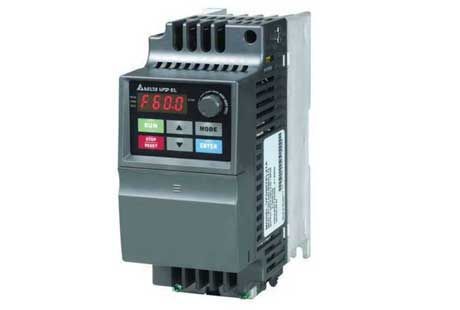
Variable Frequency Drives (VFDs) are electronic devices that regulate the speed and torque of electric motors by controlling the frequency and voltage supplied to them. This technology exists to help motors operate more efficiently across applications where speed variation is necessary. Instead of running motors at constant speed, VFDs allow smooth adjustments based on operational demands. This results in improved energy efficiency, reduced mechanical stress, and enhanced system performance.
VFD technology emerged to address limitations in traditional motor control methods such as direct-on-line starters and fixed-speed operations. Today, it is widely used in industrial automation, HVAC optimization, water pumping infrastructure, manufacturing systems, and renewable energy applications. As industries focus on energy efficiency and digital transformation, VFDs have become a fundamental part of modern electrical and automation systems.
Importance
VFD technology matters because it directly influences energy optimization, operational reliability, and environmental sustainability. Since electric motors consume a large share of global electricity, any method that reduces power consumption has a wide impact. VFDs help industries and facilities lower their energy footprint by running motors only as fast as necessary.
This technology benefits a broad range of users:
-
Manufacturing facilities using adjustable-speed drives for conveyors, mixers, and compressors
-
Commercial buildings managing HVAC motors for air handling systems
-
Agricultural irrigation setups requiring precise pump control
-
Water treatment plants regulating flow and pressure
-
Renewable energy systems integrating motor-driven components
VFDs solve several practical problems:
-
Excessive energy consumption caused by fixed-speed motors
-
Mechanical wear resulting from abrupt motor starts
-
Limited process control due to lack of speed variation
-
High electrical demand peaks that strain power systems
In addition to efficiency improvements, VFDs support automation by enabling integration with sensors, programmable logic controllers (PLCs), and digital monitoring platforms. This enhances precision, reduces operational downtime, and supports predictive maintenance strategies.
Recent Updates
Over the past year, VFD technology has continued to evolve with trends focusing on digitalization, energy management, and hardware improvements. Key updates include:
Smart VFDs and IoT Integration (2024–2025)
Manufacturers have introduced VFDs with built-in IoT connectivity, enabling real-time data logging, remote diagnostics, and cloud-based monitoring. These improvements support predictive maintenance and help facilities detect inefficiencies early.
Enhanced Cybersecurity Features (2024)
As industrial devices become more connected, cybersecurity concerns have increased. Newer VFD models now incorporate encrypted communication protocols and authentication layers to protect automation networks.
High-Efficiency Motor Compatibility (2024)
The rise of permanent magnet motors and synchronous reluctance motors has prompted VFD enhancements for smoother control and reduced harmonics. This supports the global transition toward high-efficiency motor systems.
Energy Optimization Algorithms (Released in early 2025)
Advanced control algorithms have been introduced that automatically adjust VFD parameters to minimize energy consumption based on load predictions. These updates help sectors meet sustainability goals without sacrificing performance.
Laws or Policies
VFD technology is influenced by energy efficiency regulations, electrical safety standards, and industrial compliance policies. Although specific frameworks vary by country, common policy themes include:
Energy Efficiency Mandates
Many countries have introduced guidelines encouraging the adoption of high-efficiency motors and adjustable-speed drives. Policies often reference standards such as:
-
IEC motor efficiency classes (IE2, IE3, IE4)
-
Regulations promoting energy conservation in commercial and industrial facilities
-
Incentive programs supporting modernization of motor-driven systems
These policies indirectly increase the demand for VFD adoption to meet energy performance criteria.
Electrical Safety and Installation Standards
Compliance with recognized electrical standards is required in most regions. Common references include:
-
IEC 61800 standards for adjustable-speed electric drive systems
-
Local electrical codes governing wiring, grounding, and overload protection
-
Electromagnetic compatibility (EMC) requirements for minimizing interference
These standards ensure safe operation and reduce risks associated with motor control equipment.
Environmental and Sustainability Policies
Climate action plans introduced between 2023–2025 encourage organizations to adopt energy-efficient technologies. VFDs align with these goals by helping reduce electrical consumption and emissions linked to motor operations.
Tools and Resources
A variety of tools, calculators, and digital resources support those working with VFD technology. These assist in design, analysis, monitoring, and troubleshooting.
Energy Efficiency Calculators
-
Motor Efficiency Estimator – Helps estimate potential energy savings when using VFDs.
-
Load Profile Analyzer – Assists in understanding motor load variations to optimize drive settings.
-
Electrical Power Calculator – Useful for assessing voltage, current, and frequency relationships in motor applications.
Software and Apps
-
VFD Parameter Configuration Tools – Allow technicians to configure settings through mobile or desktop platforms.
-
Harmonic Analysis Software – Evaluates total harmonic distortion (THD) for cleaner power performance.
-
Motor Monitoring Dashboards – Provide real-time insights into speed, torque, temperature, and operational trends.
Online Learning Resources
-
Educational articles on adjustable-speed drive technology
-
Tutorials covering motor control basics and advanced drive programming
-
Technical whitepapers offering research insights
-
Forums and communities discussing troubleshooting methods, insights, and practical guidance
Reference Standards
-
IEC 61800 series for adjustable-speed drive systems
-
IEEE guidelines related to power quality
-
Safety codes for motor control installations
Comparison Table: Fixed-Speed Motor Systems vs. VFD-Controlled Systems
| Feature | Fixed-Speed Motor System | VFD-Controlled Motor System |
|---|---|---|
| Speed Control | Not adjustable | Fully adjustable |
| Energy Efficiency | Lower | Higher |
| Mechanical Stress | Higher during start | Lower due to soft start |
| Power Demand Peaks | Significant | Reduced |
| Automation Compatibility | Limited | Strong integration |
| Process Precision | Basic | High-level precision |
FAQs
What does a Variable Frequency Drive do?
A VFD adjusts the speed and torque of an electric motor by controlling the frequency and voltage supplied to it. This allows motors to operate more efficiently and match the requirements of changing loads.
Why are VFDs used in HVAC and industrial applications?
They help manage airflow, pressure, and motor speed variations, resulting in better control and improved energy performance. VFDs also support automation systems that rely on adjustable-speed operation.
Can VFDs extend motor life?
Yes. By reducing mechanical stress during startup and avoiding abrupt speed changes, VFDs help minimize wear on motor components, contributing to longer operational life.
What is the relationship between frequency and motor speed?
Motor speed is directly proportional to the frequency supplied. Reducing frequency lowers speed, while increasing frequency raises speed. This relationship enables precise speed control through a VFD.
Do VFDs improve power quality?
Modern VFDs include filtering and harmonic reduction features that enhance power quality. However, depending on system design, additional harmonic mitigation equipment may be recommended in certain installations.
Conclusion
Variable Frequency Drive technology plays a central role in modern electrical and automation systems. By enabling precise motor speed control, VFDs help organizations improve energy performance, reduce mechanical stress, and support advanced automation strategies. Recent technological developments, strengthened cybersecurity, and compatibility with high-efficiency motors continue to expand the role of VFDs across industries.
As global emphasis on sustainability and energy conservation increases, VFDs remain a key component in achieving operational efficiency goals. With the help of digital tools, educational resources, and regulatory frameworks, users can better understand, optimize, and maintain VFD systems in a range of applications. This makes the technology essential for anyone working with motor-driven equipment in today’s evolving landscape.