Ultimate Guide to Fitness Tracking Devices
Explore comprehensive insights into fitness tracking devices, their benefits, types, and how to choose the right one for your health goals and lifestyle.
Fitness tracking devices have become increasingly popular tools for monitoring personal health and wellness. These wearable technologies provide real-time data about your physical activity, heart rate, sleep quality, and other vital metrics. Whether you're a casual walker or a serious athlete, understanding the different types of fitness trackers available can help you make an informed decision about which device best suits your health goals and lifestyle.
Benefits and Limitations of Fitness Tracking Devices
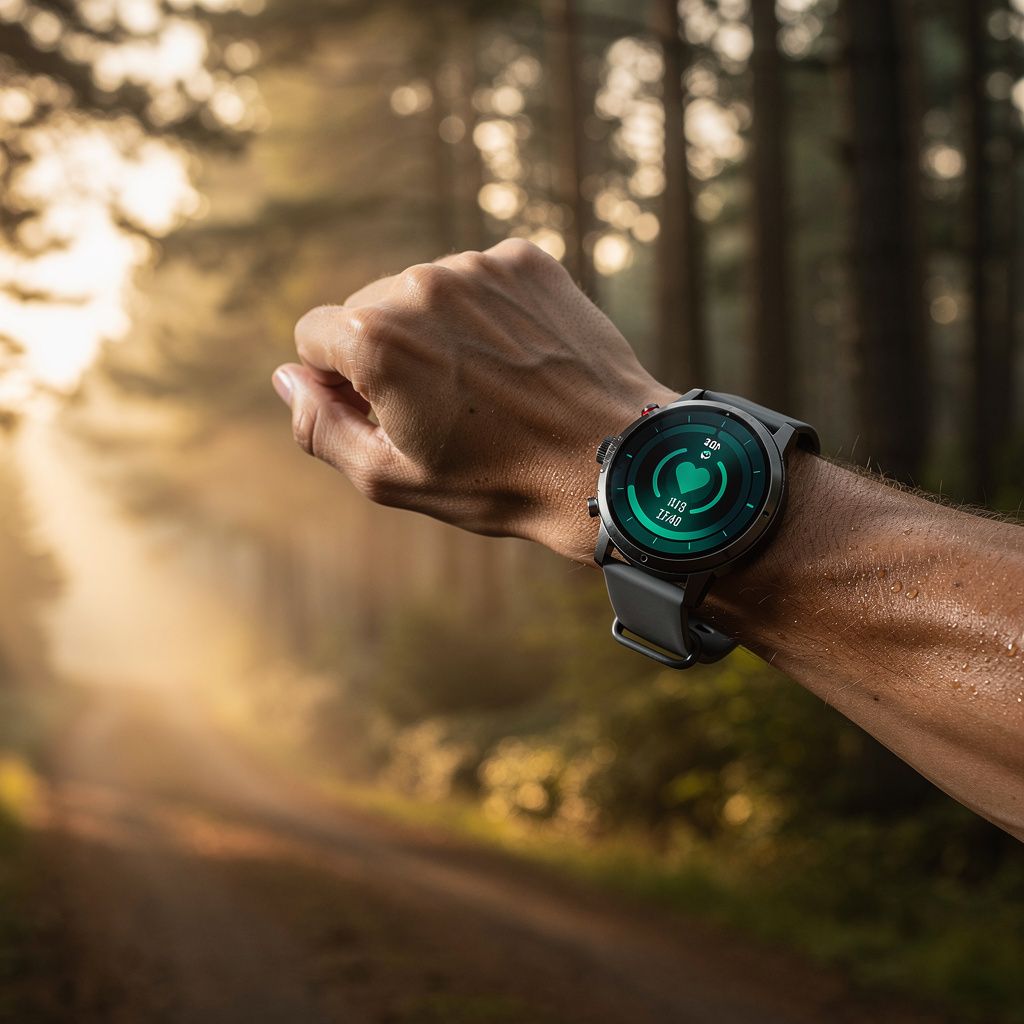
Fitness tracking devices offer numerous advantages for health-conscious individuals. They provide objective data about your daily activity levels, helping you stay accountable to your fitness goals. Many users find that seeing their progress tracked in real-time motivates them to move more and maintain consistent exercise routines. These devices also monitor sleep patterns, which is crucial for overall health and recovery.
However, fitness trackers have limitations worth considering. Accuracy can vary depending on the device and the type of activity being tracked. Some trackers may overestimate or underestimate calories burned, and they might struggle with certain activities like swimming or weight training. Additionally, relying too heavily on metrics can sometimes create unhealthy obsessions with numbers rather than focusing on overall well-being.
Types of Fitness Tracking Devices
The fitness tracking market offers several distinct categories of devices, each designed for different needs and preferences.
Basic Activity Trackers
Basic activity trackers focus primarily on counting steps and tracking distance. These devices are lightweight, affordable, and ideal for people just beginning their fitness journey. They typically offer week-long battery life and simple interfaces.
Advanced Fitness Watches
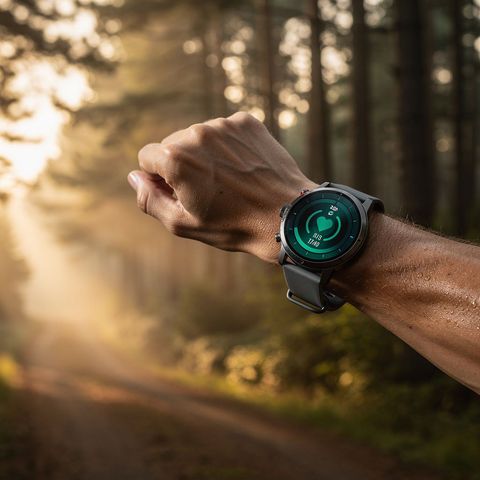
Advanced fitness watches include GPS capabilities, multiple sport modes, and detailed performance metrics. They're designed for serious fitness enthusiasts and athletes who need comprehensive training data.
Smartwatches with Fitness Features
Smartwatches combine fitness tracking with smartphone integration, allowing you to receive notifications, make payments, and access apps directly from your wrist.
Chest Strap Heart Rate Monitors
These specialized devices provide the most accurate heart rate measurements and are popular among runners and cyclists who want precise training zone data.
Ring-Based Trackers
Smart rings offer a minimalist approach to fitness tracking, monitoring activity and sleep while remaining discreet and lightweight.
Current Market Trends in Fitness Tracking
The fitness tracking industry continues to evolve with several emerging trends. Health monitoring features beyond basic activity tracking are becoming standard, including blood oxygen monitoring, stress level detection, and menstrual cycle tracking. Integration with health apps and platforms allows users to consolidate their wellness data in one place. Battery technology improvements mean devices can last longer between charges. Additionally, there's growing emphasis on privacy and data security as consumers become more conscious about how their health information is stored and used.
Key Features to Consider
When evaluating fitness tracking devices, several important features deserve attention:
- Heart Rate Monitoring: Optical sensors on the wrist or chest straps provide continuous heart rate data for training optimization.
- GPS Functionality: Built-in GPS tracks your route, distance, and pace without needing your smartphone.
- Water Resistance: Essential for swimmers and those who want to track water-based activities.
- Battery Life: Ranges from one day to several weeks depending on the device type.
- Display Quality: Touchscreen, AMOLED, or e-ink displays affect usability and battery consumption.
- Compatibility: Ensure the device works with your smartphone's operating system.
- App Ecosystem: Quality companion apps enhance the user experience and data analysis.
- Comfort and Design: You'll wear it daily, so comfort and aesthetic appeal matter.
Comparison of Popular Device Categories
| Device Type | Price Range | Battery Life | Best For | Key Limitation |
|---|---|---|---|---|
| Basic Activity Tracker | Budget-Friendly | 5-7 Days | Beginners | Limited Features |
| Advanced Fitness Watch | Moderate to High | 5-14 Days | Athletes | Higher Cost |
| Smartwatch | Moderate to High | 1-2 Days | Tech Users | Frequent Charging |
| Chest Strap Monitor | Low to Moderate | 10+ Hours | Serious Athletes | Comfort Issues |
| Smart Ring | High | 3-7 Days | Minimalists | Limited Features |
Leading Fitness Tracking Companies
Several companies dominate the fitness tracking market, each offering unique approaches and feature sets. Established brands have built strong ecosystems with comprehensive apps and communities. Newer entrants focus on specific niches like sleep optimization or stress management. Many companies now emphasize holistic health monitoring rather than just activity tracking, recognizing that wellness encompasses multiple dimensions of health.
How to Select the Right Fitness Tracking Device
Choosing the right fitness tracker requires assessing your personal needs and preferences. Consider your primary fitness goals, whether you're focused on daily step counts, running performance, or comprehensive health monitoring. Evaluate your budget and determine which features justify the investment. Think about your lifestyle and the activities you regularly perform. Consider the device's comfort for all-day wear and whether you prefer a watch-style, band-style, or ring-style tracker. Research the companion app's quality and whether it integrates with other health apps you use. Read user reviews focusing on accuracy and real-world performance. Finally, consider the brand's reputation for customer support and software updates.
Practical Tips for Using Fitness Trackers Effectively
To maximize the value of your fitness tracking device, establish clear health goals before purchasing. Wear your device consistently to gather accurate baseline data. Review your data regularly but avoid obsessing over daily fluctuations. Use the device's features intentionally rather than passively collecting data. Set realistic activity goals based on your current fitness level. Combine tracker data with other health assessments like professional fitness evaluations. Share your progress with friends or communities for motivation and accountability. Update your device's firmware regularly to ensure optimal performance. Remember that the tracker is a tool to support your health journey, not a replacement for professional medical advice.
Frequently Asked Questions
How accurate are fitness tracking devices?
Accuracy varies by device type and activity. Devices with optical heart rate sensors are generally accurate for steady-state activities but may struggle during intense interval training. GPS accuracy depends on environmental factors. Step counting is typically reliable, though some devices may count arm movements as steps. For medical-grade accuracy, consult healthcare professionals.
Do I need a smartwatch or is a basic tracker sufficient?
This depends on your needs. Basic trackers excel at activity monitoring and are more affordable with longer battery life. Smartwatches offer additional features like notifications and apps but require more frequent charging. Choose based on which features you'll actually use regularly.
Can fitness trackers work without a smartphone?
Many basic trackers function independently and sync data when you connect to your phone later. Smartwatches and advanced watches often require smartphone connectivity for full functionality. Check the specific device's requirements before purchasing.
How often should I charge my fitness tracker?
Charging frequency depends on the device type. Basic trackers may need charging weekly, fitness watches every 5-14 days, and smartwatches every 1-2 days. Consider your lifestyle and charging convenience when selecting a device.
Are fitness trackers waterproof for swimming?
Many modern fitness trackers are water-resistant, but not all are suitable for swimming. Check the water resistance rating, typically measured in ATM or meters. Devices rated for 50 meters or 5 ATM are generally safe for swimming, while lower ratings are suitable only for splashes and light rain.
What data privacy concerns should I consider?
Fitness trackers collect sensitive health data. Research the company's privacy policies and data storage practices. Understand what data is shared with third parties and whether you can delete your information. Choose reputable brands with strong security records.
Selection Checklist
Use this checklist when evaluating fitness tracking devices:
- Define your primary fitness goals and health monitoring needs
- Establish your budget range
- List activities you want to track
- Check smartphone compatibility
- Review battery life requirements for your lifestyle
- Verify water resistance rating if needed
- Evaluate the companion app quality and features
- Read recent user reviews and accuracy reports
- Compare warranty and customer support options
- Consider design and comfort for all-day wear
- Verify integration with other health apps you use
- Research the company's reputation for updates and support
Conclusion
Fitness tracking devices have become valuable tools for anyone interested in monitoring their health and activity levels. The market offers options for every budget, lifestyle, and fitness goal, from basic step counters to advanced smartwatches with comprehensive health monitoring. Understanding the different types available, their benefits and limitations, and key features helps you make an informed decision. Remember that the best fitness tracker is the one you'll actually wear and use consistently. Take time to assess your personal needs, research available options, and choose a device that aligns with your health goals and lifestyle. Whether you're just beginning your fitness journey or optimizing an existing routine, a well-chosen fitness tracker can provide valuable insights and motivation to support your wellness objectives.