The Ultimate Guide to Modular Kitchen Designs
Discover the essentials of modular kitchen designs, from layout options to material choices. Learn how modular kitchens maximize space, improve functionality, and adapt to modern living needs.
Modular kitchen designs have revolutionized the way homeowners approach kitchen planning and renovation. These innovative kitchen solutions offer flexibility, efficiency, and aesthetic appeal by using pre-manufactured cabinet units and components that can be customized and arranged to fit any space. Whether you're working with a compact apartment kitchen or a sprawling family home, modular designs provide practical solutions that maximize functionality while maintaining style.
Understanding Modular Kitchen Designs
A modular kitchen consists of independent cabinet units, countertops, and appliances that are manufactured off-site and assembled in your home. Unlike traditional kitchens built from scratch, modular kitchens use standardized components that can be combined in various ways. This approach offers homeowners greater control over their kitchen layout, materials, and overall design aesthetic. The modular concept allows for easier installation, faster project completion, and the ability to modify or upgrade individual components without overhauling the entire kitchen.
Benefits and Limitations of Modular Kitchens
Modular kitchens offer numerous advantages that appeal to modern homeowners and designers. Understanding both the benefits and limitations helps you make an informed decision about whether this approach suits your needs.
Key Benefits
- Space optimization through intelligent storage solutions and compact designs
- Flexibility to customize layouts based on your specific kitchen dimensions and preferences
- Faster installation compared to traditional built-in kitchens
- Easier maintenance and replacement of individual components
- Wide range of material and finish options to match your home's aesthetic
- Better organization with dedicated storage for different kitchen items
- Improved functionality through ergonomic design principles
- Cost-effective options available across various budget ranges
Limitations to Consider
- Initial investment can be substantial for high-quality modular systems
- Limited customization compared to fully bespoke kitchen designs
- Quality varies significantly between manufacturers and price points
- Installation requires skilled professionals for proper assembly
- Standardized dimensions may not suit unusually shaped or sized spaces
- Future modifications may be limited if components are discontinued
Types of Modular Kitchen Designs
Modular kitchens come in various layout configurations, each designed to optimize space and workflow for different kitchen sizes and shapes. Understanding these types helps you choose the most suitable design for your home.
Single-Line or Galley Layout
This design features all kitchen components arranged in a single line along one wall. It's ideal for small kitchens, apartments, or open-plan spaces where you want to maintain visual flow. The single-line layout maximizes wall space and creates a compact, efficient work area.
L-Shaped Layout
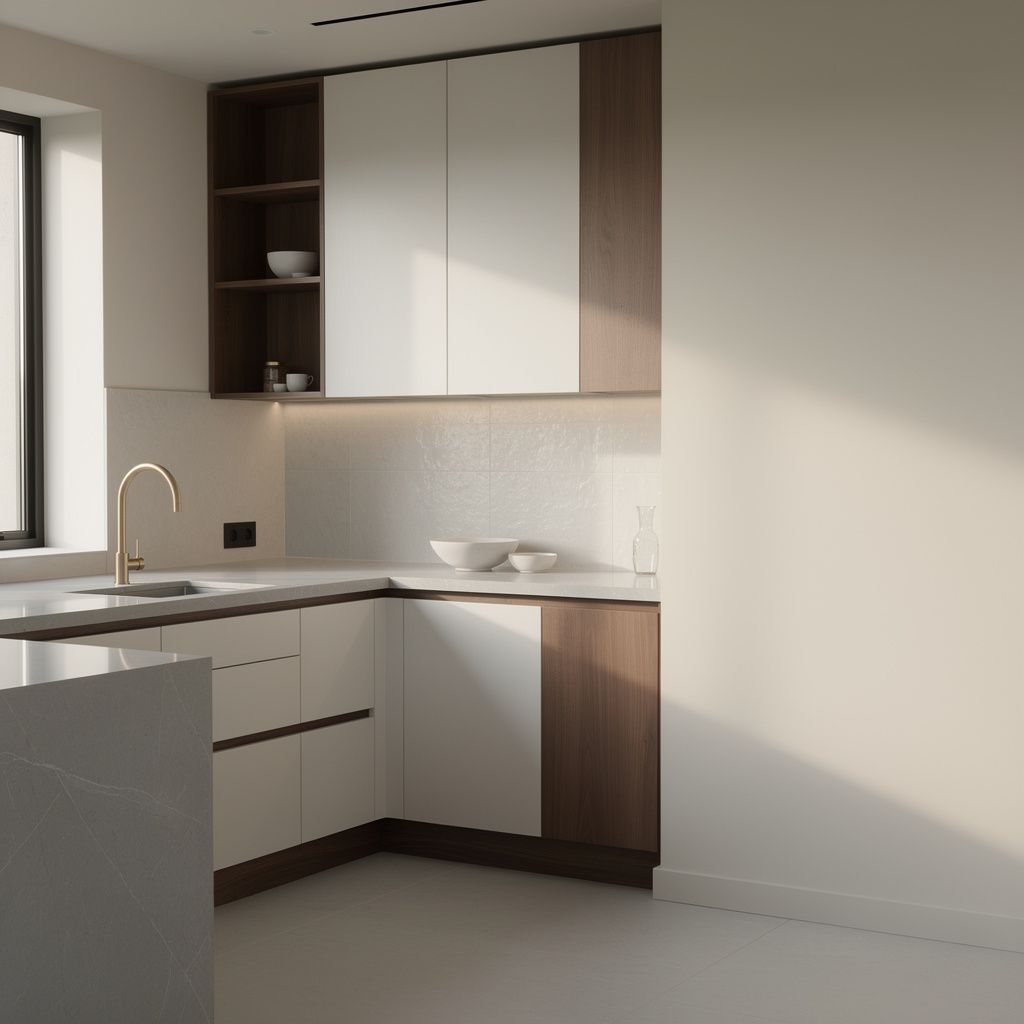
The L-shaped configuration uses two adjacent walls, creating more counter space and storage than single-line designs. This layout works well for medium-sized kitchens and allows for better traffic flow. The corner area can be utilized for storage or appliance placement.
U-Shaped Layout
This design utilizes three walls, providing maximum counter space and storage options. U-shaped kitchens work best in larger rooms and create an efficient work triangle between the stove, sink, and refrigerator. This layout minimizes movement during food preparation.
Island Layout
For spacious kitchens, an island layout adds a central work surface that can include cooking, prep, or dining functions. Islands increase counter space, provide additional storage, and create a social hub in the kitchen. This design works particularly well in open-plan homes.
Current Trends in Modular Kitchen Design
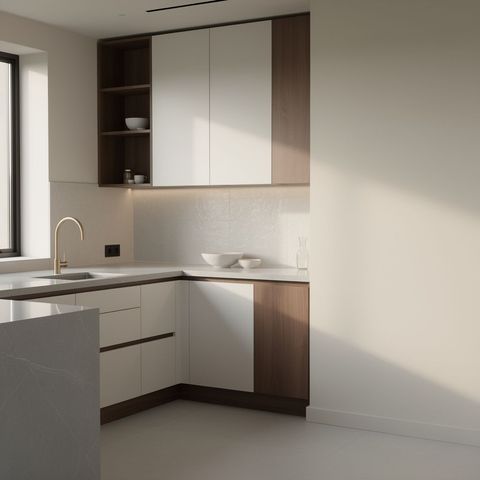
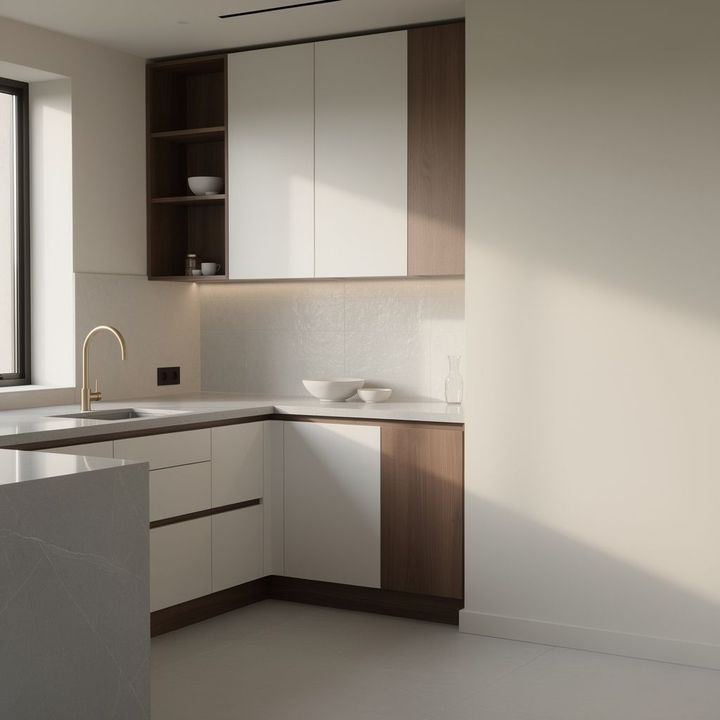
The modular kitchen industry continues to evolve with new design trends reflecting changing lifestyles and technological advances. Contemporary modular kitchens increasingly incorporate sustainable materials, smart storage solutions, and integrated appliances. Minimalist aesthetics with clean lines and neutral color palettes remain popular, while two-tone cabinetry and bold accent colors are gaining traction. Open shelving combined with closed storage, integrated lighting solutions, and eco-friendly materials represent current industry directions. Smart kitchen technology integration, such as soft-close mechanisms and automated storage systems, is becoming more common in modern modular designs.
Essential Features and Components
Understanding the key components of modular kitchens helps you evaluate quality and functionality when selecting a design.
| Component | Function | Material Options |
|---|---|---|
| Cabinet Units | Storage and organization | Plywood, MDF, solid wood, stainless steel |
| Countertops | Work surface | Granite, quartz, laminate, stainless steel, wood |
| Backsplash | Wall protection and aesthetics | Tiles, glass, stainless steel, laminate |
| Hardware | Cabinet access and functionality | Stainless steel, chrome, brass, aluminum |
| Appliances | Cooking and food storage | Built-in or standalone units |
| Lighting | Visibility and ambiance | LED strips, pendant lights, under-cabinet lights |
Selecting the Right Modular Kitchen
Choosing the appropriate modular kitchen design requires careful consideration of your space, lifestyle, and preferences. Start by measuring your kitchen dimensions accurately and identifying any architectural constraints. Evaluate your cooking habits and storage needs to determine the best layout configuration. Consider the materials that align with your aesthetic preferences and maintenance capabilities. Assess the quality of cabinet construction, hardware durability, and warranty offerings from different manufacturers. Budget planning is essential, as modular kitchens range from budget-friendly to premium options. Consult with designers or kitchen specialists who can provide professional guidance based on your specific requirements.
Practical Tips for Modular Kitchen Planning
Implementing these practical tips ensures you maximize the benefits of your modular kitchen design.
Planning Checklist
- Measure your kitchen space precisely, including ceiling height and wall irregularities
- Identify the location of utilities such as water, gas, and electrical outlets
- Determine your work triangle efficiency between sink, stove, and refrigerator
- Plan storage based on your cooking frequency and food storage needs
- Choose materials that balance aesthetics with durability and maintenance requirements
- Consider lighting needs for different kitchen areas and activities
- Plan for adequate ventilation through range hoods or exhaust systems
- Ensure proper clearance for cabinet and appliance doors
- Select hardware that complements your design aesthetic and provides comfortable grip
- Plan for future modifications or upgrades within your design framework
Frequently Asked Questions
How long do modular kitchens typically last?
With proper maintenance and care, quality modular kitchens can last 15-20 years or more. The lifespan depends on the quality of materials used, frequency of use, and maintenance practices. Premium materials like solid wood and stainless steel tend to last longer than budget options like laminate.
Can modular kitchens be customized to fit non-standard spaces?
While modular kitchens are based on standardized dimensions, many manufacturers offer customization options to accommodate unusual spaces. Custom filler panels, extended countertops, and adjustable components can help adapt modular designs to specific requirements. However, highly irregular spaces may require semi-custom or bespoke solutions.
What is the typical installation timeline for a modular kitchen?
Most modular kitchen installations take 5-10 days depending on the complexity of the design, site conditions, and any necessary modifications. This is significantly faster than traditional kitchens, which can take several weeks. The actual timeline depends on coordination with utility installations and finishing touches.
How do I maintain and clean a modular kitchen effectively?
Regular maintenance involves wiping down cabinets with mild soap and water, cleaning countertops with appropriate cleaners for the material type, and promptly addressing spills. Avoid excessive moisture exposure, use soft cloths to prevent scratching, and follow manufacturer-specific care recommendations. Regular inspection of hardware and hinges helps identify maintenance needs early.
Are modular kitchens more cost-effective than traditional kitchens?
Modular kitchens can be more cost-effective due to faster installation, reduced labor costs, and the ability to choose components within your budget. However, premium modular kitchens may cost similar amounts to high-end traditional kitchens. The key advantage is flexibility in choosing where to invest based on your priorities.
What materials are best for durability in modular kitchens?
For cabinets, plywood and solid wood offer better durability than MDF. For countertops, quartz and granite outperform laminate in terms of longevity and resistance to damage. Stainless steel hardware and appliances provide superior durability in high-use kitchens. Investing in quality materials in high-traffic areas yields better long-term value.
Conclusion
Modular kitchen designs offer a practical, flexible, and aesthetically pleasing solution for modern homes. By understanding the various layout options, essential components, and current design trends, you can make informed decisions that align with your space, lifestyle, and preferences. Whether you prioritize space optimization, design flexibility, or budget considerations, modular kitchens provide customizable options to meet diverse needs. Careful planning, quality material selection, and professional installation ensure your modular kitchen delivers functionality and style for years to come. As kitchen design continues to evolve, modular approaches remain at the forefront of innovative home solutions that balance practicality with contemporary aesthetics.