Truck-Mounted Crane: Types, Uses and Selection Guide
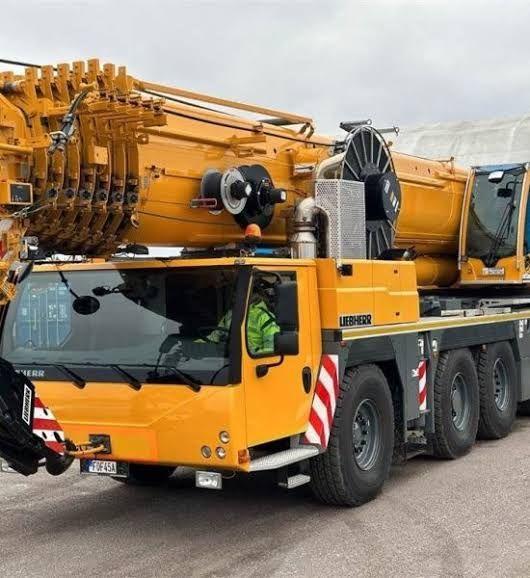
A crane mounted on a truck combines lifting capability with road mobility, making it useful for projects where equipment must move between locations.
A truck-mounted crane can load, unload, position, and handle materials without requiring a separate crane carrier for every task.
From construction sites and utility projects to logistics and industrial maintenance, these machines come in different configurations and capacities. Choosing the right model requires careful consideration of lifting requirements, reach, truck configuration, terrain, and operating conditions.
What Is a Truck-Mounted Crane?
A truck-mounted crane is a lifting system installed on a commercial truck or specialized carrier. The vehicle provides transportation, while the crane provides lifting and material-handling capabilities.
Most systems include:
- Truck chassis
- Crane boom
- Hydraulic system
- Outriggers
- Control system
- Lifting hook or attachment
- Slewing mechanism
- Hydraulic cylinders
- Stabilization equipment
The crane configuration determines its lifting capacity, working radius, boom reach, and suitability for particular applications.
Why Truck-Mounted Cranes Are Important
Mobility is one of the biggest advantages of truck-mounted lifting equipment. A conventional fixed crane may require dedicated transportation or installation, while a truck-mounted configuration can travel to different work locations.
Potential advantages include:
- Road mobility
- Flexible deployment
- Integrated transportation and lifting
- Reduced equipment transfers
- Compact operation in suitable locations
- Faster setup for certain applications
- Versatility across multiple job sites
However, mobility does not eliminate the need for proper site planning. Ground conditions, overhead hazards, load characteristics, and stabilization requirements must still be assessed before operation.
Types of Truck-Mounted Cranes
Different crane configurations are designed for different lifting requirements.
Knuckle Boom Crane
A knuckle boom crane uses articulated boom sections that fold when not in operation.
Its compact folded configuration makes it useful for transportation and applications where space is limited.
Typical applications include:
- Construction material handling
- Utility work
- Loading and unloading
- Industrial maintenance
- Delivery operations
Telescopic Crane
A telescopic crane uses boom sections that extend and retract.
This configuration can provide substantial reach while maintaining a relatively compact transport position.
It is useful when operators need controlled horizontal and vertical reach for material placement.
Service Truck Crane
Service truck cranes are commonly installed on vehicles used by maintenance and field-service teams.
They can assist with handling tools, components, pumps, generators, and other equipment at remote work locations.
Heavy-Duty Truck Crane
A heavy duty truck mounted crane is designed for larger lifting requirements and generally uses a higher-capacity chassis and crane system.
These systems require careful attention to vehicle weight, axle loading, stability, and lifting configuration.
Truck-Mounted Crane Components
Understanding the major components can help explain how these machines perform lifting operations.
| Component | Primary Function |
|---|---|
| Boom | Provides lifting reach |
| Hydraulic cylinders | Extend, retract, or position boom sections |
| Hydraulic pump | Generates hydraulic flow |
| Outriggers | Stabilize the vehicle during lifting |
| Slewing system | Rotates the crane |
| Hook/block | Connects to lifting equipment |
| Control system | Allows operator control |
| Truck chassis | Supports and transports the crane |
| Safety devices | Monitor or limit operating conditions |
The exact configuration varies according to crane model, manufacturer, and intended application.
Truck Crane Lifting Capacity
Truck crane lifting capacity is not a single fixed number. The maximum permissible load can change depending on several operating factors.
Important variables include:
- Boom extension
- Working radius
- Boom angle
- Load position
- Outrigger configuration
- Ground conditions
- Truck configuration
- Attachment type
- Wind conditions
- Manufacturer's rated load chart
A crane may lift a significantly heavier load when it is positioned close to the vehicle than when the same load is placed at a greater horizontal distance.
Operators should always follow the manufacturer's load chart and operating instructions rather than estimating capacity based only on the crane's headline rating.
Truck-Mounted Crane Applications
Truck-mounted cranes support many industries because they combine transportation and lifting.
Construction
Construction crews can use them to move building materials, structural components, equipment, and other loads around suitable work areas.
Utilities
Utility companies may use truck-mounted cranes for handling poles, transformers, cables, and equipment.
Industrial Maintenance
Factories and industrial facilities can use mobile lifting systems to position machinery, components, pumps, motors, and maintenance equipment.
Logistics and Delivery
Some truck-mounted cranes allow suppliers to transport and unload materials using the same vehicle.
Infrastructure Projects
Road, telecommunications, energy, and municipal projects may require mobile lifting capability at multiple locations.
Hydraulic Truck-Mounted Cranes
A hydraulic truck-mounted crane uses hydraulic pressure to control major crane movements.
Hydraulic systems can operate functions such as:
- Boom extension
- Boom elevation
- Crane rotation
- Stabilizer movement
- Attachment operation
Hydraulic systems require appropriate fluid levels, clean hydraulic components, functioning hoses, and regular inspection.
Leaks, damaged hoses, abnormal pressure, or unusual movement should be addressed according to the manufacturer's maintenance procedures.
How to Choose a Truck-Mounted Crane
Selecting a truck-mounted crane should begin with the actual lifting requirement.
1. Determine the Maximum Load
Identify the heaviest load that the crane will need to handle.
Do not select equipment based solely on average loads. Occasional heavier lifts may determine the required capacity.
2. Calculate Working Radius
Determine the horizontal distance between the crane's center of rotation and the load placement point.
This is critical because lifting capacity generally changes as working radius increases.
3. Determine Required Reach
Consider both vertical and horizontal reach. A crane with sufficient lifting capacity may still be unsuitable if its boom cannot reach the required placement point.
4. Evaluate Truck Configuration
The truck chassis must be compatible with the crane and expected payload.
Consider:
- Gross vehicle weight
- Axle ratings
- Payload
- Wheelbase
- Suspension
- Available mounting space
5. Consider Site Conditions
Review ground strength, access, slope, overhead obstructions, power lines, and available setup space.
6. Check Attachments
Different lifting applications may require hooks, slings, buckets, grabs, or other compatible attachments.
Truck-Mounted Crane Specifications
When comparing truck mounted crane specifications, focus on the complete operating profile rather than one number.
Important specifications may include:
- Maximum lifting capacity
- Maximum boom reach
- Maximum lifting height
- Working radius
- Boom configuration
- Outrigger dimensions
- Crane weight
- Hydraulic flow and pressure
- Rotation range
- Truck payload
- Control configuration
A useful specification comparison should evaluate the crane at the actual working radius and configuration expected on the job.
Safety Practices for Truck-Mounted Cranes
Crane operation involves significant mechanical and environmental hazards. Safe operation requires trained personnel, appropriate procedures, and compliance with applicable regulations.
Important practices include:
- Inspect the crane before operation.
- Verify the load weight.
- Check the manufacturer's load chart.
- Deploy outriggers according to instructions.
- Assess ground stability.
- Maintain safe clearance from overhead hazards.
- Use appropriate lifting accessories.
- Keep unauthorized personnel outside the lifting zone.
- Monitor weather and wind conditions.
- Never exceed rated operating limits.
Operators should follow applicable occupational-safety requirements and the manufacturer's instructions for the specific crane.
Maintenance of Truck-Mounted Cranes
Regular maintenance can help identify mechanical or hydraulic problems before they affect operation.
A maintenance program may include inspection of:
- Hydraulic hoses
- Cylinders
- Oil levels
- Boom sections
- Pins and bushings
- Outriggers
- Hooks
- Wire rope where applicable
- Structural welds
- Control systems
- Safety devices
Maintenance intervals should follow the manufacturer's recommendations and applicable regulatory requirements.
Who Uses Truck-Mounted Cranes?
Truck-mounted cranes can be useful for organizations that need both transportation and lifting capabilities.
They are commonly relevant to:
- Construction contractors
- Utility companies
- Industrial maintenance teams
- Infrastructure contractors
- Material distributors
- Telecommunications companies
- Municipal organizations
- Equipment maintenance providers
The best configuration depends on the type of loads, operating environment, travel requirements, and frequency of lifting operations.
Frequently Asked Questions
What is a truck-mounted crane?
A truck-mounted crane is a lifting system installed on a truck chassis, allowing the vehicle to transport itself and provide lifting capability at suitable work locations.
How is truck crane lifting capacity determined?
Capacity depends on factors such as load weight, working radius, boom extension, boom angle, outrigger configuration, and vehicle stability. The manufacturer's load chart should always be followed.
What are the main types of truck-mounted cranes?
Common configurations include knuckle boom, telescopic, service truck, and heavy-duty truck cranes. Each is designed for different lifting and mobility requirements.
What are truck-mounted cranes used for?
They are used for construction, utilities, industrial maintenance, infrastructure, logistics, material handling, and other applications requiring mobile lifting capability.
What should I consider when choosing a truck-mounted crane?
Evaluate load capacity, working radius, boom reach, truck payload, outrigger requirements, site conditions, attachments, safety features, maintenance requirements, and applicable regulations.
Conclusion
A truck-mounted crane provides a practical combination of transportation and lifting capability for many industrial and construction applications. Its effectiveness depends on choosing the correct crane configuration, truck chassis, capacity, boom reach, and stabilization system for the intended work.
Before selecting equipment, define the heaviest load, working radius, required reach, site conditions, and transportation requirements. Then compare complete crane specifications and ensure the vehicle-crane combination complies with applicable safety and operating requirements.