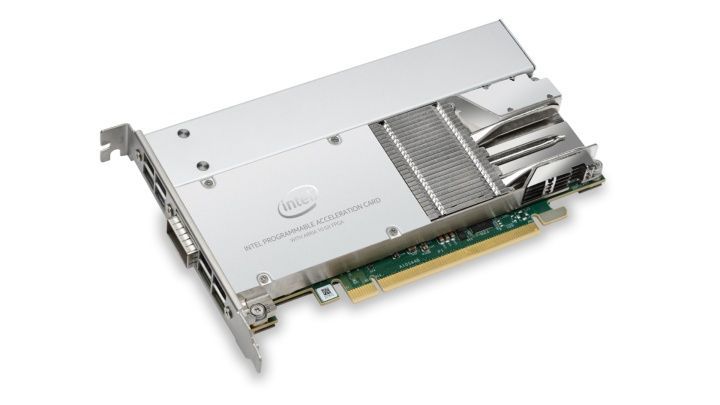
Server Acceleration Cards Explained: Learn Key Information, Insights & Useful Suggestions
Server acceleration cards are specialized hardware components designed to enhance processing capabilities for workloads that require high computational efficiency. These cards exist because modern digital environments—such as artificial intelligence, machine learning, big data analytics, cloud workloads, database optimization, and advanced networking—demand more performance than traditional CPUs can deliver alone.
Acceleration cards use technologies like GPUs, FPGAs, ASICs, and DPUs to offload specific tasks, enabling faster operations, reduced latency, and improved workload handling. As data volumes grow globally, organizations increasingly depend on dedicated accelerators to streamline high-intensity processes.
Many industries rely on these cards to execute complex calculations, high-performance computing tasks, parallel workloads, data modeling, and real-time analytics. This continued shift toward resource-intensive applications is the primary reason acceleration hardware has become a standard part of modern server architecture.
Why Server Acceleration Cards Matter Today
The role of server acceleration cards has increased significantly because computing demands have expanded across multiple technology fields. Their importance can be understood through several key areas:
Enhancing Computational Performance
Acceleration cards improve processing speeds for demanding tasks, supporting:
-
AI model training
-
Data inference
-
High-throughput analytics
-
Virtualization acceleration
-
Network packet processing
-
Cryptographic functions
By offloading specialized tasks, acceleration cards allow CPUs to perform general system functions more efficiently.
Supporting High-CPC Industry Keywords
These cards are particularly relevant in fields associated with high-value technical searches, such as:
-
artificial intelligence infrastructure
-
high-performance computing
-
cloud optimization
-
GPU computing
-
data center performance
-
low-latency networking
-
machine learning acceleration
-
parallel processing technology
These areas continue to expand as organizations integrate advanced computing into everyday decision-making.
Reducing Overload on Core Systems
As workloads become more complex, acceleration cards help maintain stable system operations by reducing bottlenecks. This results in more predictable performance for applications requiring consistent responsiveness.
Improving Energy Efficiency and Resource Allocation
Modern accelerators are designed to handle specific tasks with optimized energy usage. This supports better thermal management and helps systems maintain sustainable performance levels in large-scale environments.
Enabling Real-Time Processing in Critical Areas
Industries that rely on accelerated performance include:
-
scientific research
-
financial modeling
-
medical imaging
-
autonomous systems
-
cybersecurity analytics
In these settings, accelerated hardware ensures real-time computation and high-accuracy results.
Recent Updates: Trends and Developments (2024–2025)
The acceleration card landscape continues to evolve, driven by global demand for advanced computing. Recent updates include:
Growth in AI-Focused Accelerators (2024)
In 2024, multiple manufacturers introduced new generations of AI-optimized GPUs and NPUs designed for large-language-model workloads. These cards focus on increased memory bandwidth and enhanced parallel processing to support evolving AI use cases.
Rising Adoption of DPUs for Secure Infrastructure (Early 2025)
By February 2025, data centers began adopting Data Processing Units (DPUs) for secure workload isolation and improved network acceleration. DPUs have become important for managing zero-trust environments and offloading networking tasks.
New FPGA Architectures for Custom Workloads (2024 Q3)
Mid-2024 saw updates to FPGA boards with reconfigurable logic, enabling industries to design custom accelerations for encryption, signal processing, and real-time decision systems.
Expansion of Cloud-Based Accelerator Integration (2025)
Cloud platforms increased support for heterogeneous computing, offering accelerators specifically optimized for:
-
inference jobs
-
vector processing
-
storage optimization
-
memory-intensive computing
Shift Toward Energy-Efficient Acceleration (Late 2024)
Manufacturers introduced accelerators with improved thermal efficiency, supporting sustainability targets in high-density server environments.
Laws or Policies Influencing Server Acceleration Cards
Several regions have introduced policies that indirectly affect the production, distribution, and usage of acceleration hardware. While these policies vary, the most relevant categories include:
Technology Export Regulations
Some countries regulate the export of advanced GPU and AI acceleration technology due to its relevance in high-performance computing. These rules shape how accelerators are distributed internationally.
Data Protection and Compliance Policies
Acceleration cards often process sensitive information in:
-
analytics workflows
-
encrypted data streams
-
security monitoring
-
real-time modeling
Data protection regulations—such as GDPR in Europe, and similar compliance rules in other countries—govern how organizations must manage information when using accelerated systems.
Environmental and Energy Efficiency Standards
Several markets promote energy-efficient computing through environmental guidelines. This impacts accelerator design, encouraging:
-
lower power consumption
-
controlled thermal output
-
eco-efficient system architectures
AI Governance Initiatives
As AI computing grows, many governments are introducing guidelines encouraging responsible AI development. Accelerator cards used for AI model processing may need to operate within regulated environments focused on transparency, fairness, and secure handling of AI workloads.
Tools and Resources: Helpful Platforms and Utilities
Many tools and resources support the use and understanding of server acceleration cards. These help with configuration, monitoring, analysis, and knowledge building.
Performance Monitoring Tools
-
GPU Utilization Analyzers – Track parallel workloads, memory usage, and thermal levels.
-
FPGA Development Suites – Provide logic design utilities and workload testing interfaces.
-
DPU Management Toolkits – Monitor network operations, packet processing, and secure workload isolation.
System Optimization Utilities
-
Workload Profiling Tools – Help identify which tasks benefit most from accelerated computing.
-
Parallel Programming Libraries – Allow developers to write optimized code for GPU or FPGA execution.
-
AI Model Optimization Frameworks – Improve inference performance on specialized accelerators.
Educational and Knowledge Resources
-
Hardware documentation libraries
-
High-performance computing research publications
-
Data center architecture guides
-
AI infrastructure tutorials
-
Technical whitepapers on acceleration technology
These resources help engineers, analysts, and researchers understand how to implement accelerators effectively.
Illustrative Table: Types of Server Acceleration Cards
| Acceleration Type | Primary Use Cases | Key Advantages |
|---|---|---|
| GPU | AI training, visualization, parallel tasks | High throughput, parallel processing |
| FPGA | Custom logic, encryption, signal processing | Programmable circuits, flexible design |
| ASIC | Specific high-volume tasks | Extremely efficient for targeted workloads |
| DPU | Network acceleration, infrastructure offload | Reduces CPU overhead, enhances security |
FAQs
What are server acceleration cards used for?
They are used to enhance processing efficiency for specialized workloads such as AI computation, real-time analytics, data modeling, and advanced networking functions. They offload tasks from CPUs, enabling faster and more predictable performance.
Are all accelerators designed for the same purpose?
No. GPUs handle parallel computations, FPGAs support customizable logic, DPUs manage network-focused tasks, and ASICs are built for specific, high-frequency operations. Each type serves a different set of needs.
Do acceleration cards improve latency?
Yes. By processing tasks in parallel or dedicating hardware to specific functions, accelerators help reduce latency in data-intensive applications, improving responsiveness and throughput.
Are these cards necessary for AI workloads?
AI workloads often benefit greatly from acceleration cards due to their high computational requirements. GPUs and other accelerators are widely used for model training and inference.
Can acceleration cards support secure processing?
Yes. Some accelerators, especially DPUs and certain FPGAs, include features that enhance workload isolation, encryption, and secure data handling.
Conclusion
Server acceleration cards have become essential components in modern computing environments due to their ability to enhance performance, reduce system strain, and support advanced workloads across various industries. Their growing relevance is tied to trends such as AI expansion, high-performance analytics, cloud optimization, and parallel processing innovation.
With new advancements introduced each year—including improved architecture designs, expanded cloud integration, and increased focus on energy efficiency—acceleration cards continue to evolve. Understanding how they work, the policies that guide their use, and the resources available to support them helps users make informed decisions about integrating accelerated computing into technical environments.