Rigid Packaging Equipment: Complete 2026 Guide
Rigid packaging equipment consists of machines and integrated systems used to fill, seal, cap, label, inspect, and handle rigid containers.
These containers can include bottles, jars, cans, cartons, trays, tubs, drums, and other formats made from materials such as plastic, glass, metal, and rigid paperboard.
Modern packaging lines combine mechanical equipment, sensors, automation, and control systems to move containers through multiple production stages. Understanding the different types of equipment and how they work can help manufacturers evaluate packaging processes and equipment requirements in 2026.
Why Rigid Packaging Equipment Matters
Rigid containers are used when products require structural stability, protection, controlled handling, or specific storage characteristics. Packaging equipment helps transform empty containers into finished packages through coordinated filling, closing, labeling, and inspection processes.
Modern industrial rigid packaging equipment can support:
- High-speed container handling
- Accurate product filling
- Capping and closing
- Sealing
- Label application
- Coding and marking
- Automated inspection
- Case packing and palletizing
- Production data monitoring
The appropriate configuration depends on the product, container design, packaging material, production volume, and required automation level.
Main Types of Rigid Packaging Equipment
A complete packaging line may contain several machines, each performing a specific function.
| Equipment Type | Primary Function |
|---|---|
| Container handling systems | Move and position containers |
| Filling machines | Introduce products into containers |
| Capping machines | Apply and secure closures |
| Sealing equipment | Create protective seals |
| Labeling machines | Apply product labels |
| Coding systems | Add dates, codes, and identification |
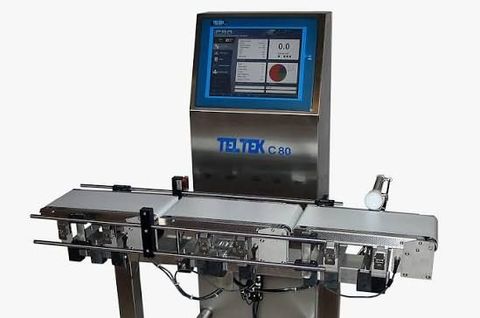
| Inspection systems | Check packaging quality |
| Case packing equipment | Group finished packages |
| Palletizing systems | Arrange packages for handling |
1. Container Handling Equipment
Container handling systems transport empty and filled containers between different packaging stages.
Conveyors, star wheels, indexing systems, and robotic handling equipment can be used depending on the container format and production requirements.
Proper container handling helps maintain consistent spacing and positioning throughout the line.
2. Filling Machines
Filling equipment introduces the required quantity of product into each container.
Different products require different filling technologies.
Liquid Filling
Liquid filling machines may use pumps, gravity, pressure, flow meters, or volumetric mechanisms depending on product characteristics.
They can handle products ranging from low-viscosity liquids to thicker materials.
Powder Filling
Powder filling systems commonly use augers or other controlled dosing mechanisms.
The system must account for factors such as powder flow characteristics, density, and dust control.
Granule and Solid Filling
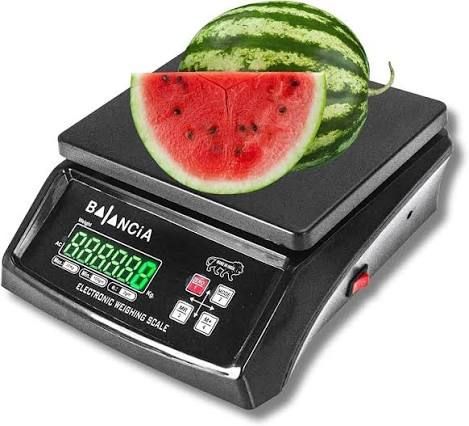
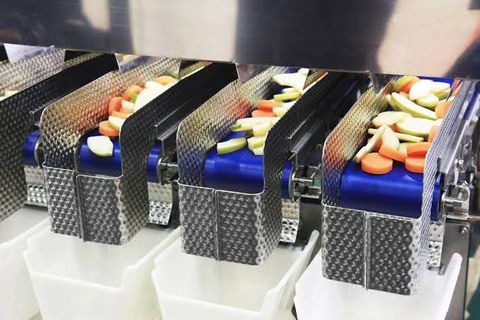
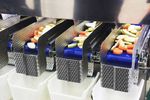
Weighing systems, volumetric systems, and multihead weighers can be used for products such as snacks, grains, hardware components, and other solid products.
3. Capping Equipment
Capping machines apply closures to bottles, jars, and other containers.
Depending on the closure type, equipment may use:
- Screw capping
- Snap capping
- Press-on closures
- ROPP capping
- Induction-compatible closure systems
Controlled application is important for maintaining closure consistency and package integrity.
4. Sealing Equipment
Sealing systems create a barrier between the product and external environment.
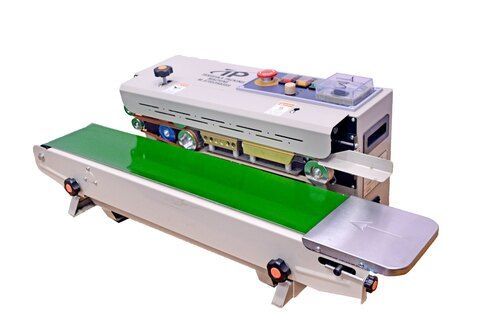
Induction sealing, heat sealing, foil sealing, and other technologies can be used depending on the container and closure design.
A properly controlled seal can help protect products from contamination, leakage, moisture, and environmental exposure.
5. Labeling Machines
Labeling equipment applies identification and informational labels to containers.
Common systems include:
- Pressure-sensitive labeling
- Wrap-around labeling
- Front-and-back labeling
- Sleeve labeling
- Roll-fed labeling
Sensors can detect container position and coordinate label placement with the production line.
6. Coding and Marking Systems
Coding equipment applies variable information such as:
- Manufacturing dates
- Expiration dates
- Batch numbers
- Serial numbers
- Barcodes
- QR codes
Inkjet, laser, thermal transfer, and other technologies can be integrated into rigid packaging lines.
7. Inspection Systems
Automated inspection equipment uses sensors and cameras to check packaging quality.
Vision systems may verify:
- Correct label placement
- Container presence
- Cap position
- Print quality
- Barcode readability
- Fill level
- Package appearance
Defective packages can be identified and removed before they proceed to later stages.
How Rigid Packaging Equipment Works
A typical rigid packaging line follows a coordinated sequence.
Step 1: Container Feeding
Empty containers enter the production line through a conveyor, hopper, unscrambler, or other feeding system.
The equipment positions containers at the required spacing.
Step 2: Filling
Containers move into the filling station, where the product is accurately dosed into each container.
Filling parameters depend on the product type and container design.
Step 3: Closing
After filling, containers move to the capping or closing station.
Closures are positioned and secured using controlled mechanical or automated systems.
Step 4: Sealing
Where required, a sealing system applies a protective seal.
The process may use heat, pressure, induction, adhesive, or another suitable technology.
Step 5: Labeling
Containers move through the labeling station, where product and regulatory information is applied.
Step 6: Coding
Variable information is printed or marked onto the package.
Step 7: Inspection
Sensors and cameras check the finished package for specified quality characteristics.
Step 8: Secondary Packaging
Finished containers can then be grouped into cartons, cases, trays, or other secondary packaging formats.
Materials Used for Rigid Packaging
Rigid packages can be manufactured from several materials.
Plastic
Rigid plastics such as PET, HDPE, PP, and other polymers are widely used for bottles, containers, tubs, and trays.
Glass
Glass containers are commonly used for beverages, pharmaceuticals, cosmetics, food products, and other applications requiring specific barrier or appearance characteristics.
Metal
Aluminum and steel can be used for cans, drums, containers, and specialized packaging formats.
Paperboard
Rigid paperboard is used for cartons, boxes, trays, and other structured packaging applications.
Each material has different handling, filling, sealing, labeling, and inspection requirements.
Automation in Rigid Packaging Equipment
Automation is an important feature of modern packaging lines. Programmable controls, servo systems, sensors, robotics, and vision systems can coordinate multiple packaging stages.
Automated systems can monitor parameters such as:
- Conveyor speed
- Container position
- Filling accuracy
- Cap presence
- Label alignment
- Product count
- Production output
- Inspection results
Data from these systems can also be integrated into broader manufacturing and production-monitoring platforms.
Factors to Consider When Selecting Rigid Packaging Equipment
Selecting the right rigid packaging equipment requires consideration of the complete packaging process.
Product Characteristics
Determine whether the product is liquid, powder, granule, solid, viscous, fragile, or sensitive to environmental conditions.
Container Type
Bottle, jar, can, carton, tray, drum, and other formats require different handling and packaging technologies.
Production Volume
Higher production volumes may require continuous automated systems, while smaller operations may benefit from flexible equipment configurations.
Filling Accuracy
The filling method should match the product's physical properties and required dosing accuracy.
Closure Type
Screw caps, snap closures, lids, foil seals, and other closure types require different equipment.
Integration Requirements
Consider whether the equipment needs to connect with conveyors, coding systems, inspection equipment, case packers, robotics, or production software.
Best Practices for Rigid Packaging Production
Consistent packaging production requires control over equipment and process conditions.
Useful practices include:
- Maintain accurate filling settings.
- Keep containers correctly aligned.
- Monitor closure application.
- Verify seal integrity.
- Check label positioning.
- Inspect printed codes regularly.
- Maintain conveyor alignment.
- Clean equipment according to production requirements.
- Monitor critical process parameters.
- Follow preventive maintenance schedules.
Frequently Asked Questions
What is rigid packaging equipment?
Rigid packaging equipment includes machines used to fill, close, seal, label, inspect, and handle rigid containers such as bottles, jars, cans, trays, cartons, and drums.
What types of machines are used in rigid packaging?
Common equipment includes filling machines, capping machines, sealing systems, labeling machines, coding systems, inspection equipment, case packers, and palletizing systems.
What products can rigid packaging machines handle?
Rigid packaging systems can handle liquids, powders, granules, solid products, food products, pharmaceuticals, cosmetics, beverages, chemicals, and many industrial products.
How does an automated rigid packaging line work?
An automated line moves containers through feeding, filling, closing, sealing, labeling, coding, inspection, and secondary packaging stages using coordinated machines, sensors, and control systems.
What factors affect rigid packaging equipment selection?
Product characteristics, container material and design, filling method, closure type, production volume, required automation, inspection requirements, and integration needs all affect equipment selection.
Conclusion
Rigid packaging equipment combines filling, closing, sealing, labeling, coding, inspection, and material-handling technologies to produce consistent finished packages. Modern systems can range from individual machines to fully integrated automated production lines.
In 2026, packaging operations increasingly rely on coordinated controls, sensors, inspection technologies, and data-driven production monitoring. Selecting equipment should begin with the product, container, production requirements, and packaging workflow rather than focusing on a single machine.