Promotional Products: Types, Benefits, and Marketing Strategies for Businesses
Promotional products are an effective marketing tool that helps businesses increase brand awareness, attract potential customers, and build long-lasting relationships.
From branded pens and reusable water bottles to custom apparel, tote bags, and corporate gifts, promotional merchandise allows companies to showcase their brand in everyday settings.
Unlike many digital advertisements that disappear after a few seconds, promotional products can remain useful for months or even years. When customers regularly use a branded product, they become more familiar with the company's name, logo, and message.
Businesses across various industries use promotional products to support marketing campaigns, reward employees, attract new customers, and strengthen customer loyalty. Choosing the right products and distributing them strategically can help companies create memorable brand experiences.
What Are Promotional Products?
Promotional products are customized items featuring a company's name, logo, slogan, or marketing message. Businesses distribute these items to customers, employees, business partners, and event attendees to improve brand recognition and encourage engagement.
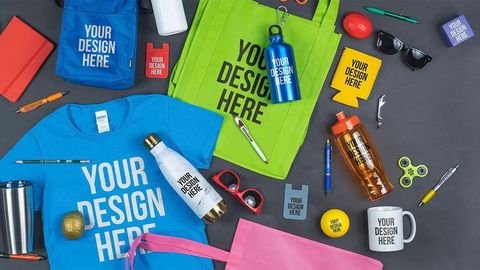
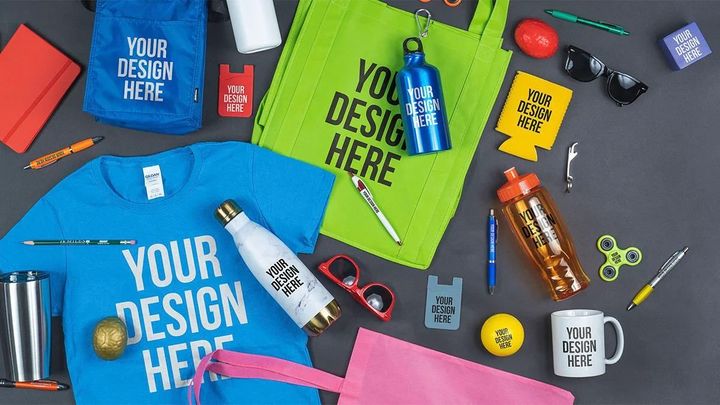
Common promotional products include pens, notebooks, mugs, reusable bags, T-shirts, calendars, technology accessories, and corporate gift sets. These products are often used for trade shows, conferences, product launches, customer appreciation programs, and employee recognition events.
The most effective promotional products combine practical value with attractive branding. When recipients find an item useful, they are more likely to keep it, use it regularly, and remember the company associated with it.
Benefits of Promotional Products for Businesses
1. Increase Brand Awareness
One of the main advantages of promotional products is their ability to improve brand visibility. A branded item can introduce a business to new audiences and reinforce brand recognition among existing customers.
For example, a reusable water bottle featuring a company logo may be used at work, at the gym, or while travelling. Each use creates another opportunity for the brand to be noticed.
Businesses can maximize this benefit by selecting products that match their target audience's interests and daily habits.
2. Build Customer Loyalty
Customers appreciate thoughtful gifts, especially when the products are useful and relevant to their needs. Promotional merchandise can help businesses express appreciation and maintain positive relationships with their customers.
Companies may offer branded gifts through loyalty programs, seasonal promotions, exclusive offers, or customer appreciation campaigns.
Although promotional gifts cannot guarantee customer loyalty, they can contribute to a positive customer experience when combined with quality products and reliable service.
3. Generate Leads and Attract Prospects
Promotional products are popular at trade shows, exhibitions, conferences, and networking events. A useful giveaway can encourage visitors to approach a business, learn about its services, and participate in conversations with its representatives.
Companies can combine promotional merchandise with product demonstrations, event registrations, or permission-based contact collection to generate qualified leads.
The objective should be to attract potential customers who are genuinely interested in the business rather than distributing products without a clear marketing purpose.
4. Support Employee Engagement
Promotional products are also valuable for internal marketing. Businesses use branded merchandise to welcome new employees, celebrate achievements, recognize milestones, and create a stronger workplace identity.
Items such as branded clothing, notebooks, drinkware, and gift boxes can help employees feel appreciated and connected to the organization.
Popular Types of Promotional Products
Choosing the right promotional merchandise depends on the audience, budget, marketing objective, and brand identity.
1. Branded Stationery
Pens, notebooks, calendars, folders, and sticky notes are among the most widely used promotional products. They are practical, affordable, and suitable for offices, educational institutions, conferences, and business meetings.
Branded stationery is especially useful for businesses that want to distribute merchandise in large quantities without exceeding their marketing budget.
2. Custom Drinkware
Reusable water bottles, coffee mugs, tumblers, and travel cups offer excellent opportunities for everyday brand exposure.
These products are suitable for employee gifts, corporate events, customer appreciation campaigns, and promotional giveaways. Businesses should prioritize durability, safe materials, and attractive designs that encourage regular use.
3. Branded Apparel
T-shirts, polo shirts, caps, jackets, and hoodies can help businesses establish a recognizable visual identity.
Promotional apparel is useful for company events, staff uniforms, trade shows, sports activities, and marketing campaigns. Comfortable fabrics, suitable sizing, and professional logo placement can increase the likelihood that recipients will wear the items regularly.
4. Promotional Bags
Tote bags, shopping bags, backpacks, and laptop bags combine practical value with branding opportunities.
They are popular at exhibitions, conferences, retail promotions, and educational events because recipients can use them to carry other belongings. Reusable bags may also support sustainability goals when their materials and manufacturing practices genuinely align with the company's environmental commitments.
5. Technology Accessories
Phone stands, charging accessories, cable organizers, laptop sleeves, and other technology-related items can appeal to modern professionals and technology-focused audiences.
These products are particularly suitable for product launches, corporate events, and employee welcome kits. Businesses should ensure that electronic promotional items meet appropriate quality and safety standards.
6. Corporate Gift Sets
Corporate gift sets combine several promotional products in coordinated packaging. They may include notebooks, pens, drinkware, calendars, and other branded accessories.
These sets are commonly used for employee onboarding, client appreciation, business anniversaries, and special events. Carefully selected products and attractive packaging can create a professional and memorable impression.
How to Choose the Right Promotional Products
A successful promotional campaign begins with understanding the target audience and defining the intended outcome.
First, consider who will receive the products. Office professionals may appreciate notebooks and drinkware, while event attendees may prefer reusable bags or useful technology accessories.
Next, establish a clear marketing objective. Determine whether the campaign aims to increase brand awareness, generate leads, reward customers, promote a product launch, or improve employee engagement.
Budget planning is equally important. Businesses should calculate product costs, printing, packaging, shipping, storage, and distribution expenses before placing an order.
Quality should also be a priority. A durable and useful product can create a more positive impression than a cheaper item that quickly breaks or gets discarded.
Finally, ensure that the branding is clear and consistent. Logos, colors, and messages should reflect the company's identity without making the product difficult to use.
Promotional Products for Different Industries
Promotional merchandise can be adapted to the needs of different business sectors.
Retail and e-commerce: Branded packaging, shopping bags, loyalty gifts, and purchase incentives help improve customer engagement.
Healthcare: Professional stationery, appropriate educational materials, and staff merchandise can support organizational branding and industry events.
Education: Notebooks, pens, backpacks, and branded clothing are useful for student events, admissions campaigns, and institutional promotions.
Technology: Laptop accessories, phone stands, charging products, and branded apparel can support conferences and product launches.
Real estate: Branded folders, keychains, welcome gifts, and home-related accessories can help agents maintain relationships with clients.
Hospitality: Travel accessories, reusable drinkware, and guest gifts can reinforce a consistent brand experience.
Selecting products that match the industry's needs makes promotional campaigns more relevant and effective.
How to Measure Promotional Product Marketing Results
Businesses should evaluate promotional campaigns using measurable objectives rather than focusing only on the number of items distributed.
Track how many products are distributed, which audiences receive them, and how recipients engage with the campaign. If the objective is lead generation, measure inquiries, qualified leads, follow-up meetings, and conversions.
Customer feedback can also help businesses determine whether recipients find the products useful and appealing.
Calculate the total campaign cost and compare it with the outcomes achieved. For brand awareness campaigns, customer surveys and brand recognition studies may provide additional insight.
Promotional products may influence customer perceptions over time, so businesses should evaluate their contribution alongside other marketing activities.
Best Practices for Promotional Products Marketing
To improve campaign effectiveness, businesses should follow these best practices:
Choose products that match the target audience.
Maintain consistent branding across all merchandise.
Prioritize quality and practical value.
Request product samples before placing large orders.
Plan production and delivery schedules in advance.
Select reusable products when they suit the campaign.
Personalize gifts when appropriate.
Monitor campaign expenses and performance.
Collect feedback to improve future campaigns.
A thoughtful approach ensures that promotional products support broader marketing goals rather than becoming an unnecessary expense.
Conclusion
Promotional products provide businesses with a practical way to increase brand awareness, strengthen customer relationships, and support marketing campaigns. From branded stationery and reusable drinkware to custom apparel, technology accessories, and corporate gift sets, there are options for different industries and budgets.
The key to success is selecting useful products, maintaining high quality, applying consistent branding, and distributing merchandise strategically. By establishing clear objectives and measuring campaign performance, businesses can create effective promotional product strategies that support long-term growth and brand recognition.