Plastic Bottle Blowing Machines: From Preform to Finished Bottle
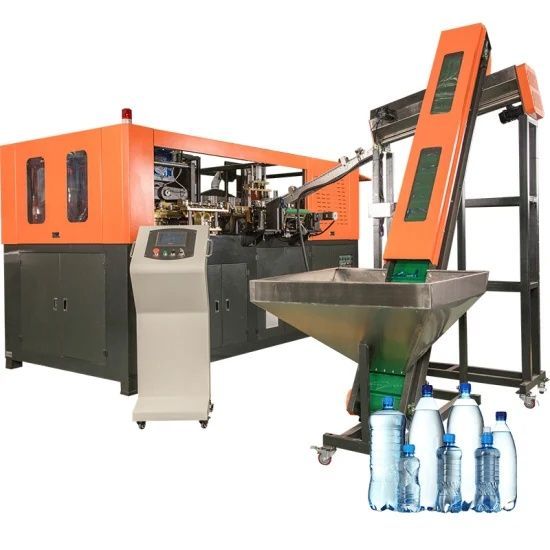
Plastic bottle blowing machines are industrial systems used to transform heated plastic preforms or molten parisons into hollow containers.
They are widely used for producing bottles for beverages, food, pharmaceuticals, cosmetics, household products, and industrial packaging.
The blowing process combines controlled heating, molding, compressed air, cooling, and inspection to create containers with consistent dimensions and wall structures. The specific equipment configuration depends on the plastic material, bottle design, production volume, and required performance.
Why Plastic Bottle Blowing Machines Matter
Bottle manufacturing requires precise control over temperature, air pressure, mold geometry, and cycle timing. Small variations can affect bottle weight, wall thickness, transparency, dimensions, and structural strength.
Modern plastic bottle blowing machines can incorporate automated material handling, preform heating, mold movement, air-pressure control, cooling, bottle removal, and quality inspection.
Important considerations include:
- Bottle material
- Container volume and shape
- Preform or parison design
- Production output
- Mold configuration
- Heating requirements
- Compressed-air requirements
- Cooling capacity
- Automation level
- Quality-control requirements
How Plastic Bottle Blowing Machines Work
The exact production sequence depends on whether the machine uses a preform or a parison. PET bottles commonly use preforms, while extrusion blow molding can produce bottles directly from a molten parison.
1. Preform or Parison Preparation
In PET bottle production, an injection molding process generally creates the preform before it enters the blowing machine. The preform contains the finished neck area while the body remains relatively thick.
In extrusion blow molding, the machine produces a hot polymer tube called a parison. The parison is then positioned between the mold halves for expansion.
2. Controlled Heating
For preform-based systems, the preform passes through a heating section containing multiple temperature-controlled zones.
The objective is to bring the body of the preform to an appropriate forming temperature while maintaining the required condition of the neck area. Infrared heating systems are commonly used for this stage.
Precise heating helps control how the plastic stretches during the subsequent molding process.
3. Mold Positioning
The heated preform or parison enters a bottle mold. The mold contains the negative shape of the finished container.
Once the material is correctly positioned, the mold closes around it. The mold design determines important characteristics such as bottle shape, base geometry, surface details, and dimensions.
4. Stretching and Air Expansion
In PET injection stretch blow molding, a stretch rod moves through the preform while compressed air expands the material against the mold walls.
This combination of axial stretching and radial expansion helps distribute the polymer throughout the bottle.
The process can improve material orientation and produce lightweight containers with appropriate mechanical characteristics.
5. Cooling
After the bottle reaches the mold shape, cooling removes heat from the plastic. Cooling channels integrated into the mold help stabilize the container.
Temperature control is important because insufficient cooling can affect dimensional stability and cycle consistency.
6. Bottle Removal
After molding and cooling, the mold opens and the finished bottle is transferred to the next production stage.
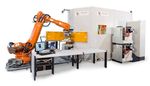
Automated systems may use conveyors, grippers, or other handling mechanisms to move bottles continuously through the production line.
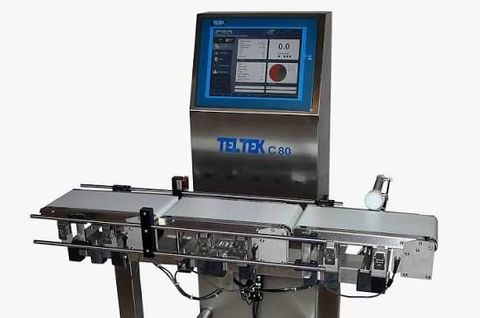
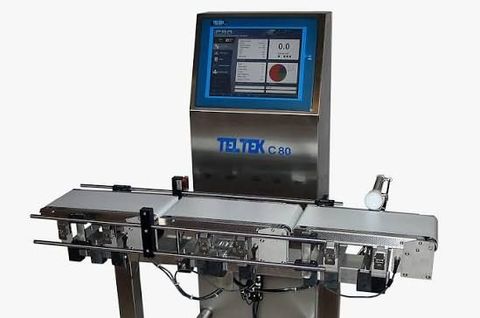
7. Inspection and Quality Control
Inspection systems evaluate the finished containers for dimensional and visual consistency.
Common checks include:
| Quality Check | Purpose |
|---|---|
| Bottle weight | Verifies material consistency |
| Dimensions | Checks container geometry |
| Wall thickness | Evaluates material distribution |
| Neck finish | Confirms closure compatibility |
| Leak testing | Checks container integrity |
| Visual inspection | Identifies surface defects |
| Drop testing | Evaluates impact resistance |
| Top-load testing | Measures compression strength |
Types of Plastic Bottle Blowing Machines
Different bottle designs and materials require different blow molding technologies.
Injection Stretch Blow Molding Machines
Injection stretch blow molding machines are widely used for PET containers. A preform is reheated and then stretched and expanded inside a bottle mold.
These machines are commonly associated with beverage bottles and other applications requiring lightweight, transparent containers.
Extrusion Blow Molding Machines
Extrusion blow molding machines create a molten parison before expanding it inside a mold. This method is commonly used for materials such as HDPE and PP.
It can accommodate bottles with handles, irregular shapes, and relatively complex container geometries.
Injection Blow Molding Machines
Injection blow molding combines injection molding and blow molding in a coordinated process. A preform is created and subsequently expanded into the final container.
This technology can provide precise control over neck dimensions and is used for selected small and medium-sized containers.
Main Components of a Bottle Blowing Machine
A complete system can contain several interconnected components.
- Preform heating system: Brings preforms to the required forming temperature.
- Blow molding station: Expands the heated material inside the mold.
- Stretching system: Provides axial stretching in applicable PET processes.
- Bottle molds: Define the final container geometry.
- Compressed-air system: Supplies air for bottle expansion.
- Cooling system: Controls mold and process temperatures.
- Control system: Coordinates heating, timing, pressure, and machine movement.
- Transfer system: Moves preforms and bottles between production stages.
- Inspection equipment: Detects dimensional and visual variations.
Factors for Selecting Plastic Bottle Blowing Machines
Selecting appropriate equipment requires evaluating both the container specifications and production process.
Material Compatibility
Determine whether the application involves PET, HDPE, PP, or another polymer. Each material can have different heating, forming, and cooling requirements.
Bottle Design
Consider container volume, height, diameter, neck finish, base structure, handles, and surface geometry. Complex shapes may require a particular molding technology.
Production Requirements
Production volume influences the required machine configuration, number of cavities, cycle characteristics, and automation level.
Energy and Utility Requirements
Heating systems, compressed air, cooling equipment, and electrical systems all influence overall machine operation. Utility requirements should be evaluated during production-line planning.
Quality Requirements
Applications involving beverages, pharmaceuticals, food, or other sensitive products may require more extensive inspection and process controls.
Applications of Plastic Bottle Blowing Machines
Plastic bottle blowing equipment is used across many industries.
Common applications include:
- Beverage packaging: Water, carbonated drinks, juices, and other beverages
- Food packaging: Edible oils, sauces, and liquid food products
- Pharmaceutical packaging: Selected bottles for liquid and solid formulations
- Personal care packaging: Shampoo, lotion, and cosmetic containers
- Household packaging: Detergents and cleaning formulations
- Industrial packaging: Selected chemical and technical liquids
Frequently Asked Questions
What are plastic bottle blowing machines?
Plastic bottle blowing machines are industrial molding systems that use heat, compressed air, and molds to transform preforms or molten parisons into hollow plastic containers.
How does a PET bottle blowing machine work?
A PET bottle blowing machine generally reheats a preform, places it into a mold, stretches it with a rod, and expands it using compressed air until it matches the mold shape.
What materials can be processed by bottle blowing machines?
Depending on the machine design, common materials include PET, HDPE, PP, and other thermoplastic polymers suitable for blow molding.
What is the difference between preform and parison blowing?
A preform is a pre-molded plastic component commonly used in PET stretch blow molding. A parison is a molten plastic tube produced during extrusion blow molding and expanded directly inside the mold.
What affects bottle quality during blow molding?
Important factors include material condition, heating profile, mold temperature, stretching, air pressure, cooling, cycle timing, and mold design.
Conclusion
Plastic bottle blowing machines provide the forming stage that converts preforms or parisons into finished hollow containers. Their operation involves coordinated heating, molding, air expansion, cooling, material handling, and quality inspection.
Choosing the appropriate technology depends on the bottle material, container design, production requirements, and quality specifications. Understanding the complete path from preform or parison to finished bottle provides a useful foundation for evaluating blow molding equipment and production processes.