Mining Machinery Explained: Learn Key Details, Working Principles, and Technical Insights
Mining machinery plays a vital role in the global mining industry, enabling large-scale extraction of minerals, ores, and metals from the earth’s crust. These machines are the backbone of mining operations, providing the efficiency, safety, and productivity needed to meet industrial demands.
Understanding their structure, operation, and evolution helps explain how the mining sector continues to support industries such as construction, manufacturing, and energy production.
What Mining Machinery Is and Why It Exists
Mining machinery refers to the mechanical systems and heavy equipment used in mining operations to extract, transport, and process minerals and raw materials. From open-pit mining to underground operations, these machines are designed for durability, high performance, and precision.
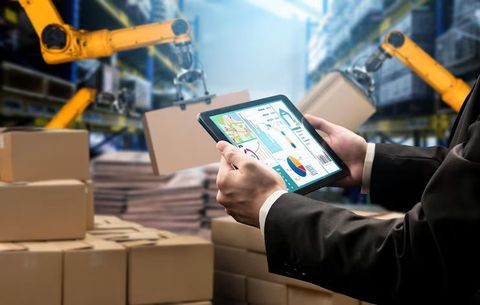
The development of mining machinery began during the Industrial Revolution when manual tools were replaced by mechanized systems. Over time, technological advances have improved efficiency and reduced the need for human labor in dangerous environments. Today, mining equipment integrates sensors, automation, and data analytics to enhance operational control and resource management.
Mining machinery includes a wide range of equipment such as:
-
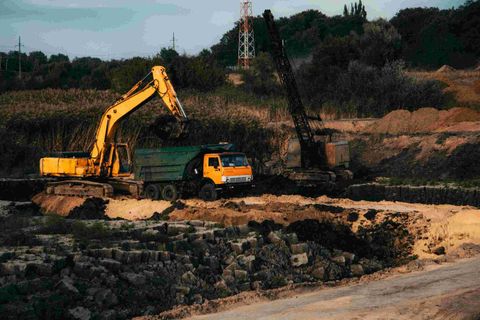
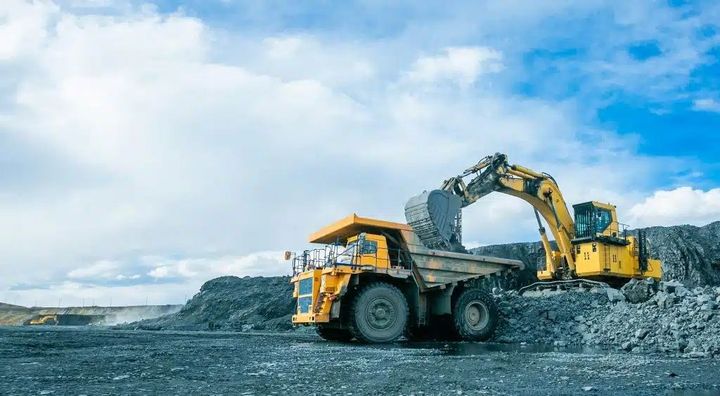
Excavators: Used for digging and removing overburden.
-
Drilling rigs: Used for creating boreholes and sampling materials.
-
Loaders and haul trucks: For material handling and transportation.
-
Crushers and mills: For size reduction and mineral processing.
-
Conveyors: For efficient movement of materials within sites.
These machines serve diverse mining sectors including coal mining, metal ore mining, and industrial mineral extraction.
Why Mining Machinery Matters Today
Modern mining operations are complex and resource-intensive. Mining machinery helps reduce manual labor, increase safety, and optimize production efficiency. The use of advanced equipment allows miners to reach deeper deposits, manage waste more effectively, and minimize environmental impact.
Mining machinery is essential to:
-
Resource development: Ensuring access to essential raw materials such as copper, iron, and lithium.
-
Economic growth: Supporting industries like construction, electronics, and transportation.
-
Energy transition: Enabling extraction of minerals critical for renewable energy technologies, including rare earth elements used in batteries and wind turbines.
-
Workplace safety: Reducing accidents by automating hazardous tasks.
The shift toward sustainable and digital mining has made equipment more efficient and eco-friendly. For example, hybrid and electric-powered mining trucks are increasingly used to cut down emissions. Intelligent monitoring systems also allow operators to track machine performance in real-time, improving maintenance planning and minimizing downtime.
Recent Updates and Industry Trends
The mining machinery sector has seen significant technological progress in recent years. As of 2024–2025, several trends are shaping its future:
-
Automation and AI Integration (2024):
Major mining companies have deployed autonomous trucks and drilling systems that operate without direct human control. These innovations increase precision and lower operational risks. -
Electrification of Mining Equipment (2023–2025):
The industry is moving toward battery-electric vehicles (BEVs) to reduce carbon footprints. Companies such as Caterpillar and Komatsu introduced prototype electric haul trucks in 2024. -
Remote Operations Centers:
Mining firms now manage sites remotely using cloud-connected systems. This shift allows continuous monitoring and data-driven decision-making. -
Predictive Maintenance:
AI-driven analytics predict machinery breakdowns before they occur, extending equipment lifespan and improving uptime. -
Environmental Compliance and Green Mining:
New technologies support water recycling, dust suppression, and energy-efficient mineral processing methods to meet global sustainability goals.
The combination of automation, electrification, and digital connectivity marks a new era often referred to as “Mining 4.0.”
Regulations and Government Policies Affecting Mining Machinery
Mining operations and machinery are governed by strict regulations to ensure safety, environmental protection, and operational transparency. Governments worldwide enforce rules related to equipment design, emissions, and worker safety.
Key regulatory areas include:
-
Environmental Standards: Machinery must comply with air and noise pollution limits set by agencies such as the U.S. Environmental Protection Agency (EPA) and equivalent bodies in other countries.
-
Safety Protocols: Equipment must meet guidelines defined by the International Labour Organization (ILO) and local mining safety acts.
-
Import and Export Regulations: Many nations impose quality certification requirements for mining equipment importers and exporters.
-
Energy Efficiency Mandates: Governments are encouraging manufacturers to design machines with lower energy consumption and reduced greenhouse gas emissions.
Example:
In India, the Directorate General of Mines Safety (DGMS) regulates operational safety and approves machinery designs for coal and metal mining. Similarly, the European Union’s Machinery Directive (2006/42/EC) mandates CE certification for mining equipment used within EU countries.
Tools, Resources, and Technical Platforms
Professionals and researchers use various digital tools and platforms to analyze and manage mining machinery performance. Below are some useful resources for technical reference and operational planning:
| Tool / Resource | Purpose | Category |
|---|---|---|
| MineScape | Geological modeling and mine planning | Software |
| Komtrax / CAT MineStar | Equipment tracking and telematics | Fleet management |
| RockWare | Geological data visualization and 3D modeling | Technical software |
| Hexagon Mining Suite | Safety, monitoring, and production optimization | Integrated system |
| Mining Technology (Website) | News, case studies, and research updates | Educational |
| ICMM Guidelines | Sustainable mining standards and frameworks | Policy resource |
These tools assist mining engineers in optimizing machine use, improving maintenance schedules, and ensuring regulatory compliance.
Frequently Asked Questions
1. What are the main types of mining machinery?
Mining machinery includes excavators, loaders, drilling rigs, crushers, conveyors, and processing plants. Each serves a specific purpose within mining operations—such as excavation, transportation, and mineral refinement.
2. How does automation improve mining efficiency?
Automated machinery reduces human error, enhances precision, and allows 24/7 operations. AI-driven systems also provide real-time data to optimize productivity and minimize machine downtime.
3. Are electric mining machines widely used?
Yes. Many mining companies are transitioning to electric or hybrid machinery to reduce emissions. Electric trucks and loaders are becoming common in both surface and underground mining operations.
4. How are mining machines maintained?
Maintenance involves routine inspections, lubrication, part replacements, and predictive analytics. IoT-based monitoring systems alert operators when components show early signs of wear or failure.
5. What safety measures apply to mining equipment?
Mining equipment must comply with international and national safety standards. Features such as emergency shut-off systems, fire suppression units, and reinforced operator cabins are mandatory for worker protection.
Technical Insights and Comparative Data
Mining machinery performance can be analyzed based on efficiency, energy use, and productivity. Below is an example table comparing traditional diesel systems and modern electric alternatives:
| Machine Type | Traditional Model (Diesel) | Modern Model (Electric) | Efficiency Gain |
|---|---|---|---|
| Haul Truck | High fuel use, higher emissions | Lower operating costs, reduced CO₂ | 25–30% |
| Loader | Frequent maintenance required | Fewer moving parts, longer lifespan | 20% |
| Drilling Rig | Manual operation | Automated precision drilling | 40% |
| Conveyor System | Fixed-speed | Variable-speed, sensor-controlled | 15% |
These advancements illustrate how mining machinery continues to evolve toward sustainable and efficient designs.
Conclusion
Mining machinery forms the foundation of the global mining industry, powering extraction, processing, and material handling operations worldwide. Technological progress—from automation to electrification—is redefining how mining is conducted, emphasizing safety, efficiency, and sustainability.
As industries continue to depend on minerals for construction, electronics, and renewable energy, mining machinery will remain a cornerstone of economic and technological growth. Understanding its principles and modern developments enables engineers, researchers, and policymakers to align innovation with responsible resource management.