Metal Forming Machinery Explained: Complete Guide, Insights, Tips & Practical Knowledge
Metal forming machinery refers to mechanical systems designed to shape metal into usable components through deformation rather than material removal. These machines exist because industries require consistent, precise, and reliable methods to convert raw metal into parts used in construction, automotive manufacturing, aerospace engineering, energy production, and consumer goods. Instead of cutting or subtracting material, forming changes a metal’s structure through compression, bending, rolling, stamping, or drawing.
Modern metal forming systems evolved from hand-operated tools to advanced equipment powered by hydraulics, pneumatics, and digital controls. Their purpose is to support large-scale production and create parts with strong mechanical properties, minimal waste, and high dimensional accuracy. This shift toward automated forming solutions aligns with global demand for precision engineering and high-performance components in critical applications.
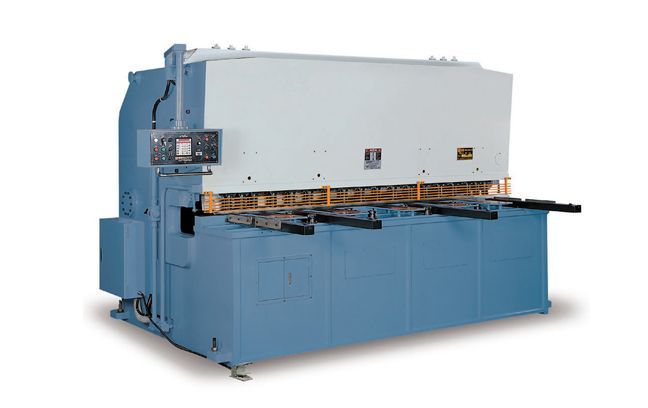
Metal forming machinery includes a wide range of equipment such as press brakes, rolling machines, forging hammers, stamping presses, and extrusion systems. These machines vary in size, capacity, and complexity to match different industrial needs. Many industries adopt forming technologies because they improve material efficiency and enable mass production with repeatable results. As industries continue to expand, the role of metal forming remains essential in shaping the infrastructure and products used daily.
Importance
Metal forming machinery plays a key role in various sectors by creating parts that require durability, accuracy, and reliability. Its importance is growing as global manufacturing demands continue to shift toward high-performance metal components, lightweight structures, and energy-efficient production methods.
Industries such as automotive manufacturing rely on forming processes to shape frames, panels, and structural reinforcements. Aerospace applications require formed metal components with precise tolerances and strong mechanical properties. In construction, forming machinery supports the production of beams, sheets, pipes, and reinforcement materials used in buildings, bridges, and infrastructure.
Several factors highlight why metal forming machinery matters today:
-
Supports precision engineering by creating uniform metal parts essential for high-stress applications.
-
Enhances material performance because forming strengthens metals through controlled deformation.
-
Improves production efficiency by enabling high-volume manufacturing without compromising accuracy.
-
Reduces material waste compared to traditional machining methods, which remove large amounts of metal.
-
Enables lightweight design which is increasingly important in transportation and renewable energy sectors.
Metal forming machinery also affects engineers, manufacturers, research institutions, fabrication units, and quality assurance teams who require dependable equipment for creating advanced metal structures. Its relevance continues to expand as industries adopt newer technologies such as electric mobility, high-strength metals, and automation-driven production environments.
Recent Updates
The metal forming machinery sector has experienced several developments over the past year as industries adapt to digital technologies, sustainability goals, and advanced materials.
Growth in automated forming systems (2024–2025)
Manufacturers worldwide have accelerated adoption of automated metal forming equipment that integrates robotics, advanced control software, and sensor-based monitoring. These systems improve precision and offer real-time data insights, supporting smart manufacturing environments.
Rise of high-strength alloys and lightweight materials
As industries focus on energy efficiency and durability, forming machinery is being adapted to work with advanced alloys such as high-strength steel, aluminum-based materials, and corrosion-resistant metals. Updates in 2024 and early 2025 show increased investment in tooling designed for these materials.
Sustainability-driven innovations
Many manufacturers have been incorporating energy-efficient motors, regenerative hydraulic systems, and low-waste forming methods. Since mid-2024, sustainability reporting has also encouraged companies to document forming processes that reduce emissions.
Digital twins and simulation tools
The use of simulation-based design and predictive modeling increased throughout 2024–2025. These tools help predict deformation behavior, optimize machine settings, and reduce trial-and-error during setup.
Safety standards and machine upgrades
During 2024, updates in machine safety guidelines encouraged manufacturers to adopt better guarding systems, emergency-stop mechanisms, and operator training tools. These improvements reduce risks in high-force forming environments.
Laws or Policies
Metal forming machinery is influenced by national and international regulations that define safety practices, environmental responsibilities, and machine performance standards. These guidelines vary by country but generally follow established industrial norms.
Key regulatory areas affecting metal forming machinery include:
-
Workplace safety rules
Many countries apply standards similar to ISO and OSHA guidelines requiring proper guarding, safe operating procedures, and regular inspection of forming machines. These rules ensure that workers operate machinery with reduced risk of injury. -
Energy efficiency and sustainability policies
Manufacturing facilities are often required to comply with environmental standards related to power consumption, heat emissions, and waste management. Regulations encourage the use of optimized motors, controlled hydraulic systems, and low-waste processes. -
Machine certification requirements
Certain types of forming equipment must meet national certification standards to ensure structural stability, safety performance, and quality consistency. -
Material handling and storage regulations
Guidelines define safe practices for storing raw metals, transporting components, and managing heavy loads produced by forming machines. -
Noise and vibration standards
Forming equipment can generate significant noise and vibration, and many regions enforce limits to protect workers and surrounding environments.
These policies aim to maintain safe workplaces, promote efficient production, and reduce environmental impacts while supporting advanced manufacturing practices.
Tools and Resources
A variety of tools, platforms, and educational resources support industries and professionals working with metal forming machinery.
Software and Digital Tools
-
Finite Element Analysis (FEA) tools used for predicting deformation behavior.
-
Machine management dashboards that track performance data, maintenance schedules, and energy usage.
-
CAD and CAM platforms to design sheet metal structures, rolled profiles, and formed components.
-
Simulation software that provides virtual testing of forming processes before physical production.
Engineering Calculators and Templates
-
Bending radius calculators
-
Sheet metal thickness reference tables
-
Force requirement calculators for pressing, rolling, and stamping
-
Tonnage estimation tools for selecting appropriate forming machinery
Standards and Knowledge Resources
-
International manufacturing standards publications
-
Engineering textbooks on metal forming principles
-
Industry research portals with case studies and design insights
-
Materials data libraries listing mechanical properties of metals used in forming
Training and Skill Development
-
Online courses on forming mechanics
-
Safety guideline libraries
-
Technical documentation for machine operations
-
Web-based knowledge hubs for troubleshooting and process optimization
These resources help users understand forming mechanics, improve process accuracy, and ensure safe operation of equipment.
FAQs
What is the purpose of metal forming machinery?
It is used to shape metal through deformation techniques such as bending, rolling, stamping, or forging. This approach produces strong, accurate components required for manufacturing and engineering applications.
Which industries depend most on metal forming machinery?
Automotive, aerospace, construction, energy, industrial equipment manufacturing, and consumer goods sectors all rely on forming equipment to produce structural and functional components.
How does forming improve metal properties?
Deformation processes align and strengthen the metal’s internal structure, improving durability and load-bearing capability without removing material.
What factors influence machine selection?
Important considerations include metal type, thickness, required shape, production volume, safety features, and available digital controls for precision and consistency.
How has technology changed metal forming in recent years?
Advances in automation, robotics, digital monitoring, simulation tools, and energy-efficient machine systems have made forming processes more accurate, faster, and environmentally aligned.
Conclusion
Metal forming machinery remains a fundamental part of global manufacturing, shaping the metal components used in essential industries. Its processes support precision engineering, material efficiency, and consistent performance across a wide range of applications. Recent advancements in automation, digitalization, high-strength materials, and sustainability continue to reshape how forming machinery is designed and used.