Marine Cargo Logistics Explained: An Overview, Basics, and Key Facts to Learn
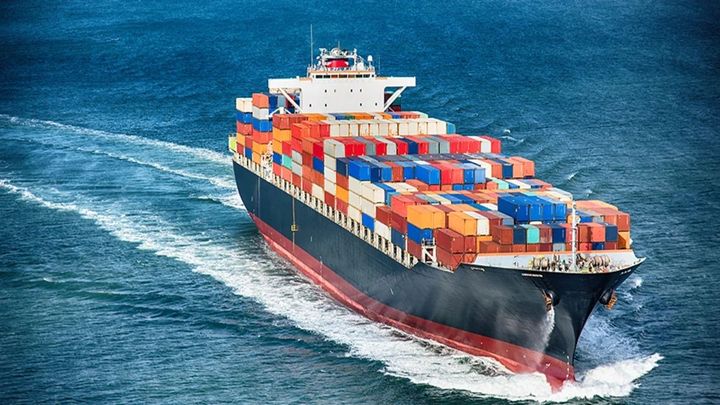
Marine cargo logistics refers to the organized movement of goods across seas and oceans using ships, ports, and supporting transport networks. It exists to enable international trade by connecting producers and consumers across continents. Since most countries are linked by water routes, marine transport has become the foundation of global supply chains, handling raw materials, manufactured goods, and essential commodities.
This field combines shipping operations, port management, cargo documentation, tracking systems, and coordination between multiple stakeholders. Without marine cargo logistics, large-scale international commerce would not function efficiently, as alternative transport modes cannot handle the same volume at comparable scale.
Marine cargo logistics developed alongside global trade expansion. From early merchant fleets to modern container vessels, it has evolved to address growing demand, standardization needs, and safety requirements.
Why Marine Cargo Logistics Matters Today
Importance and Real-World Impact
Marine cargo logistics plays a central role in the global economy. Over 80% of international trade by volume moves through sea routes. This affects governments, manufacturers, exporters, importers, port authorities, insurers, and consumers worldwide.
Key reasons this topic matters today include:
-
Global supply chain stability: Marine transport supports food security, energy supply, and industrial production
-
Economic connectivity: It links emerging markets with established economies
-
Scalability: Ships can move massive quantities that other transport modes cannot manage efficiently
-
Standardization: Containers, documentation rules, and port systems allow predictable trade flows
Common problems it helps address include delays in international shipments, cargo damage risks, regulatory compliance challenges, and coordination across borders. Effective marine cargo logistics reduces uncertainty and improves visibility across long-distance trade routes.
Recent Developments and Industry Trends
Updates from the Past Year
Over the last year, marine cargo logistics has experienced notable changes shaped by technology, policy, and global conditions.
In 2024, shipping lines and ports expanded the use of digital documentation to reduce paperwork delays. Electronic bills of lading and automated customs systems gained wider adoption, especially in Asia and Europe.
By early 2025, environmental compliance became more prominent. Shipping operators increased the use of fuel-efficiency monitoring tools and route optimization software to align with emission reduction targets.
Other observed trends include:
-
Increased focus on resilience planning after port congestion events
-
Greater use of real-time cargo tracking with satellite-based systems
-
Expansion of smart ports using automation and data analytics
-
Diversification of trade routes to reduce dependency on single corridors
These updates reflect a shift toward transparency, efficiency, and regulatory alignment rather than expansion alone.
Legal Framework and Regulatory Environment
Laws, Policies, and Governance
Marine cargo logistics operates under a structured legal environment shaped by international conventions and national regulations. These rules exist to ensure safety, accountability, and fair trade practices.
Key regulatory influences include:
-
International maritime conventions governing cargo handling, ship safety, and liability
-
Customs regulations defining documentation, inspections, and declarations
-
Environmental rules addressing fuel standards, waste management, and emissions
-
Port authority guidelines covering operations, security, and compliance
In many countries, government maritime agencies oversee port operations and shipping compliance. Trade agreements also influence how cargo moves between regions by defining tariffs, documentation standards, and inspection protocols.
These laws affect how cargo is classified, insured, documented, and tracked throughout its journey. Understanding this regulatory structure is essential for compliance and risk management.
Tools and Resources Used in Marine Cargo Logistics
Practical Systems and Digital Aids
Modern marine cargo logistics relies on a combination of digital platforms and standardized resources that improve accuracy and coordination.
Commonly used tools and resources include:
-
Cargo tracking platforms using vessel identifiers and satellite data
-
Shipping documentation templates for manifests and declarations
-
Port community systems that connect terminals, customs, and carriers
-
Freight analytics dashboards for route and capacity planning
-
Marine insurance reference guides for risk assessment
-
International trade databases providing tariff and compliance information
The table below shows how these resources support different logistics stages:
| Logistics Stage | Supporting Tools | Primary Purpose |
|---|---|---|
| Pre-shipment planning | Route analysis software | Transit optimization |
| Port operations | Port community systems | Coordination and visibility |
| In-transit monitoring | Vessel tracking platforms | Location and status updates |
| Documentation | Digital templates | Accuracy and compliance |
| Post-arrival review | Analytics dashboards | Performance evaluation |
These tools enhance transparency and help stakeholders make informed decisions across the cargo lifecycle.
Common Questions About Marine Cargo Logistics
FAQs
What types of goods are typically moved through marine cargo logistics?
Bulk commodities, containerized manufactured goods, energy resources, agricultural products, and heavy machinery are commonly transported by sea.
How long does marine cargo transport usually take?
Transit time depends on distance, route, port efficiency, and weather conditions. International sea journeys can range from a few days to several weeks.
What risks are associated with marine cargo movement?
Typical risks include weather disruptions, port congestion, documentation errors, and cargo damage. Risk mitigation relies on planning, monitoring, and compliance.
How is cargo tracked during sea transport?
Tracking is done using vessel identification systems, satellite monitoring, and digital logistics platforms that update location and status information.
Why is documentation so important in marine cargo logistics?
Accurate documentation ensures customs clearance, legal compliance, cargo identification, and accountability across international borders.
Key Data Points and Visual Overview
The following simplified table highlights core facts often referenced in marine cargo logistics analysis:
| Key Aspect | General Insight |
|---|---|
| Share of global trade | Majority of volume moves by sea |
| Typical vessel capacity | Thousands of containers per ship |
| Main stakeholders | Shippers, carriers, ports, regulators |
| Core objectives | Safety, efficiency, compliance |
| Technology role | Tracking, automation, analytics |
Such data helps explain why marine logistics remains central to international trade planning.
Conclusion and Key Takeaways
Marine cargo logistics is a foundational element of global commerce, enabling countries to exchange goods at scale across oceans. It exists to manage complexity, reduce uncertainty, and support international supply chains through structured processes and regulations.
Its importance continues to grow as trade networks expand and regulatory expectations evolve. Recent developments show a clear move toward digitalization, environmental alignment, and operational transparency.