Luxury Accessories Basics: A Complete Beginner's Guide to Choosing Timeless Pieces
Luxury accessories are often the finishing touch that brings an outfit together. Whether it is a handbag, watch, scarf, sunglasses, jewelry, or belt, these items can add personality, elegance, and functionality to everyday clothing. However, understanding luxury accessories is about much more than recognizing famous brands. It involves learning about craftsmanship, materials, timeless design, proper care, and choosing pieces that fit your lifestyle.
This guide explains the basics of luxury accessories in a simple and practical way. It is designed for beginners as well as anyone looking to build a thoughtful collection of quality accessories that remain stylish over time.
What Are Luxury Accessories?
Luxury accessories are high-quality fashion items designed to complement clothing while offering durability, refined craftsmanship, and timeless appeal. They are usually made from premium materials and often involve detailed design processes and skilled manufacturing techniques.
Unlike fast-fashion accessories, luxury accessories typically emphasize quality, longevity, and attention to detail rather than short-term trends.
Common categories include:
Handbags and wallets
Watches
Jewelry
Sunglasses
Scarves and shawls
Belts
Shoes
Hats and small leather goods
Each category serves both a practical and aesthetic purpose, making accessories an important part of personal style.
Why Luxury Accessories Matter
Accessories help define individual style without requiring a complete wardrobe change. A carefully chosen accessory can make a simple outfit look polished and sophisticated.
Some reasons people value luxury accessories include:
Long-lasting craftsmanship.
Timeless designs that remain fashionable for years.
Versatility across different outfits and occasions.
Personal expression through colors, materials, and design.
Better durability when properly maintained.
Rather than focusing on quantity, many people prefer owning a few well-made accessories that serve multiple purposes.
Understanding the Main Categories of Luxury Accessories
Handbags and Small Leather Goods
Handbags are among the most recognized luxury accessories. They come in various shapes and sizes depending on their purpose.
Popular styles include:
Tote bags for everyday use.
Shoulder bags for casual and formal wear.
Crossbody bags for convenience.
Clutches for evening occasions.
Wallets and card holders for organization.
Quality leather goods often feature durable stitching, strong hardware, and carefully finished interiors.
Watches
A luxury watch combines functionality with craftsmanship. Watches vary by movement, design, and intended use.
Common watch styles include:
Dress watches for formal occasions.
Sports watches for active lifestyles.
Everyday watches with versatile designs.
Chronograph watches with additional timing features.
When selecting a watch, comfort, readability, and personal style are often as important as appearance.
Jewelry
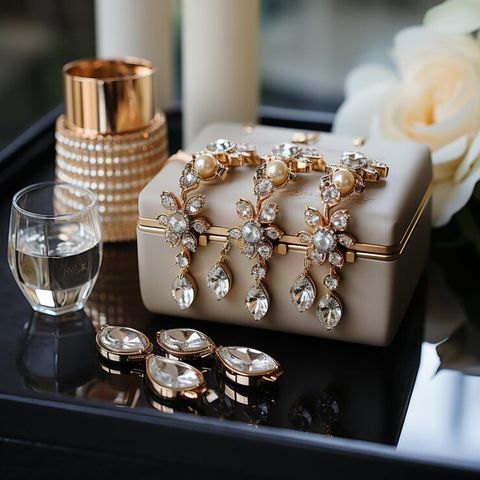
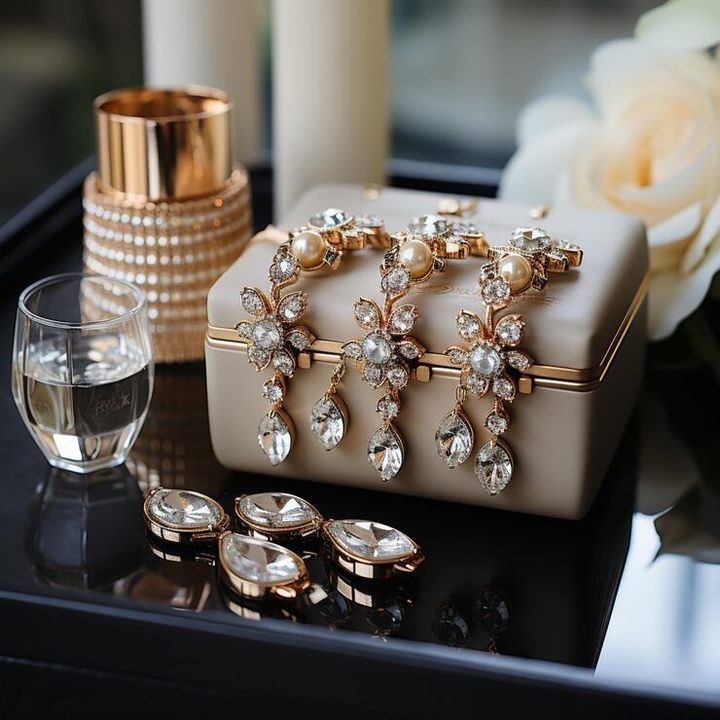
Luxury jewelry includes rings, necklaces, bracelets, earrings, and pendants crafted from precious metals and gemstones.
Important characteristics include:
Metal quality.
Stone setting.
Design balance.
Everyday wearability.
Many timeless jewelry designs focus on simplicity rather than elaborate decoration.
Sunglasses
Luxury sunglasses combine eye protection with fashion. High-quality sunglasses typically include durable frames, quality lenses, and comfortable construction.
Features to consider include:
UV protection.
Lens material.
Frame shape.
Face shape compatibility.
Scarves, Belts, and Other Accessories
Smaller accessories often provide the easiest introduction to luxury fashion. Scarves, belts, hats, and silk accessories can add elegance without dramatically changing an outfit.
These items often work across multiple seasons and wardrobe styles.
Materials Used in Luxury Accessories
The quality of materials plays a major role in durability and appearance.
Leather
Leather remains one of the most popular materials for luxury accessories.
Common types include:
| Leather Type | Characteristics |
|---|---|
| Full-Grain Leather | Natural texture, durable, develops character over time. |
| Top-Grain Leather | Smooth finish with good durability. |
| Suede | Soft texture with a matte appearance. |
| Nubuck | Velvety finish created from the outer leather layer. |
Each leather type requires slightly different care and maintenance.
Precious Metals
Luxury jewelry commonly uses:
Gold.
Sterling silver.
Platinum.
Titanium in some modern designs.
Different metals vary in appearance, durability, and maintenance needs.
Silk and Cashmere
Scarves and shawls often use natural fibers known for softness and comfort.
Benefits include:
Lightweight feel.
Breathability.
Elegant drape.
Seasonal versatility.
Premium Fabrics and Hardware
Luxury accessories frequently use:
Stainless steel hardware.
Brass fittings.
Natural canvas.
High-quality cotton.
Wool blends.
The combination of materials contributes to overall longevity.
How to Choose Luxury Accessories for Your Lifestyle
Choosing accessories becomes easier when you start with your daily needs.
Consider Everyday Use
Ask yourself:
Will this accessory be used daily?
Does it match most of my wardrobe?
Is it practical for work, travel, or social events?
Neutral colors and classic shapes often provide greater versatility.
Focus on Timeless Design
Timeless accessories usually feature:
Clean lines.
Minimal decoration.
Balanced proportions.
Neutral color palettes.
Classic designs often remain wearable despite changing fashion trends.
Prioritize Comfort
Luxury should also feel comfortable.
Examples include:
Comfortable handbag straps.
Lightweight jewelry.
Sunglasses that fit securely.
Watches with adjustable straps.
Comfort increases how often an accessory is actually used.
Essential Luxury Accessories for Beginners
If you are building your first collection, start with versatile essentials.
A Structured Everyday Bag
Choose a size that fits daily essentials while matching multiple outfits.
A Classic Watch
A simple watch can transition between casual and formal settings.
Minimal Jewelry
Small earrings, a bracelet, or a pendant necklace often pair easily with everyday clothing.
Quality Sunglasses
Select a frame shape that complements your face and offers reliable eye protection.
A Neutral Leather Belt
A well-made belt works across jeans, trousers, dresses, and business attire.
Starting with versatile pieces helps create a foundation before exploring statement accessories.
Matching Accessories with Different Outfits
Accessories should complement clothing rather than compete with it.
Casual Wear
Casual outfits pair well with:
Crossbody bags.
Leather sneakers.
Minimal jewelry.
Simple sunglasses.
Business Wear
Professional clothing often works best with:
Structured handbags.
Elegant watches.
Neutral belts.
Subtle jewelry.
Evening Wear
Evening styling often includes:
Clutches.
Statement earrings.
Refined necklaces.
Metallic or gemstone accents.
Choosing one focal accessory can keep the overall look balanced.
Understanding Color Coordination
Color plays an important role in accessorizing.
Neutral Colors
Neutral accessories are highly versatile.
Examples include:
Black.
Brown.
Beige.
White.
Navy.
Gray.
These colors pair with a wide variety of wardrobes.
Accent Colors
Bold colors can create visual interest.
Examples include:
Burgundy.
Emerald.
Sapphire blue.
Deep red.
Forest green.
Accent accessories often work best when the rest of the outfit remains relatively simple.
Metallic Finishes
Gold, silver, and rose-toned accessories each create different styling effects.
Many people choose one dominant metal for a coordinated everyday look, though mixing metals has become increasingly common.
How to Identify Quality Craftsmanship
Understanding craftsmanship helps you evaluate accessories beyond appearance.
Stitching
Quality stitching is usually:
Even.
Tight.
Consistent.
Free from loose threads.
Hardware
Look for hardware that feels solid and operates smoothly.
Examples include:
Zippers.
Clasps.
Buckles.
Hinges.
Interior Finish
Luxury accessories often receive as much attention inside as outside.
Signs include:
Clean lining.
Finished edges.
Organized compartments.
Durable interior materials.
Weight and Balance
A well-made accessory typically feels balanced rather than unnecessarily heavy.
Caring for Luxury Accessories
Proper care helps accessories maintain their appearance and longevity.
Leather Care
Best practices include:
Store away from direct sunlight.
Keep leather dry.
Clean with a soft cloth.
Condition periodically when appropriate.
Jewelry Care
Store jewelry separately to reduce scratches.
Additional tips include:
Remove before swimming.
Avoid harsh chemicals.
Wipe after wearing.
Watches
Watch care depends on the material and movement.
General care includes:
Cleaning straps regularly.
Keeping the case dry when appropriate.
Following manufacturer maintenance recommendations.
Sunglasses
Always store sunglasses in a protective case and clean lenses with microfiber cloths rather than rough fabrics.
Common Mistakes Beginners Should Avoid
Learning the basics also means avoiding common styling and maintenance mistakes.
Choosing Trends Over Versatility
Highly trendy accessories may become difficult to style over time.
Ignoring Material Care
Different materials require different storage and cleaning methods.
Buying Too Many Similar Pieces
A balanced collection often includes different categories rather than multiple versions of the same item.
Overloading an Outfit
Wearing several bold accessories together can reduce visual balance. Simplicity often creates a more polished appearance.
Building a Timeless Luxury Accessory Collection
A thoughtful collection grows gradually based on personal needs rather than fashion trends.
A practical approach includes:
| Collection Stage | Suggested Focus |
|---|---|
| Foundation | Neutral handbag, watch, belt, sunglasses. |
| Expansion | Minimal jewelry, scarf, wallet, versatile shoes. |
| Personal Style | Statement accessories in preferred colors or textures. |
| Seasonal Variety | Accessories suited for warmer and cooler weather. |
This gradual approach helps create a wardrobe that remains useful across many occasions.
Luxury Accessories and Sustainable Fashion
Many people today consider sustainability when choosing accessories.
Important considerations include:
Long-lasting materials.
Repairable construction.
Timeless styling.
Responsible manufacturing practices where available.
Proper maintenance to extend product lifespan.
Buying fewer, higher-quality accessories can align with a more mindful approach to fashion consumption.
Luxury Accessories Trends in 2026
Recent accessory trends emphasize practicality alongside timeless design rather than dramatic seasonal changes.
Current themes include:
Quiet luxury with understated designs.
Structured everyday handbags.
Vintage-inspired watches.
Layered but minimal jewelry.
Oversized sunglasses with classic silhouettes.
Neutral and earthy color palettes.
Textured leather finishes.
Many fashion experts continue to highlight versatility and longevity as key styling priorities for modern accessory collections.
Frequently Asked Questions About Luxury Accessories Basics
What is the easiest luxury accessory for beginners?
A versatile handbag, classic watch, or minimal jewelry piece is often the easiest starting point because it pairs with many outfits.
How many luxury accessories should a beginner own?
There is no ideal number. A small collection of versatile, high-quality pieces often provides greater value than a large collection of rarely used items.
Are luxury accessories only for formal occasions?
No. Many luxury accessories are designed for everyday wear, including casual, professional, and travel settings.
How do I choose accessories that match everything?
Neutral colors, timeless shapes, and minimal detailing generally offer the greatest flexibility across different clothing styles.
Can luxury accessories last for many years?
Yes. With proper care, quality materials, and thoughtful storage, many luxury accessories are designed to remain functional and stylish for a long time.
Conclusion
Luxury accessories are more than decorative additions to clothing. They combine craftsmanship, functionality, and personal style in ways that can elevate everyday wardrobes without relying on changing fashion trends. Understanding the basics—from materials and craftsmanship to styling and maintenance—helps you make informed choices that fit your lifestyle and preferences.
A timeless accessory collection does not need to be large. Starting with versatile, well-made pieces and caring for them properly allows you to build a wardrobe that remains practical, elegant, and adaptable across seasons and occasions.