Learn About Water Testing Tools: Overview, Details & Useful Information
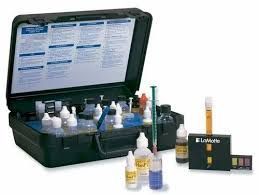
Water testing refers to the process of analysing a water sample to determine its physical, chemical and biological quality. This is done using a variety of tools — from simple field kits to laboratory-grade instruments — to check whether water is safe for drinking, for industrial use, for agriculture, or for the environment.
In many regions, both public authorities and private organisations perform water testing. The aim is to monitor water quality, detect contamination, guide treatment or remediation, and ensure compliance with standards.
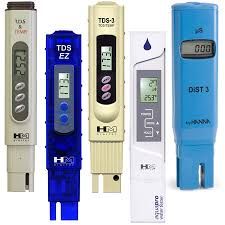
Water testing tools exist because water sources may contain pollutants (natural or man-made) that affect health, ecosystems, and infrastructure. Regular testing helps identify issues such as high levels of nitrates, heavy metals, microbial contamination, and turbidity — allowing corrective actions to be taken.
Importance
Water testing is essential because:
-
Safe water is a basic human necessity. Contaminated water can cause illnesses, infections, and long-term health effects.
-
It affects households, industries, agriculture, municipalities, and environmental agencies.
-
It helps detect contamination early, ensures compliance with safety standards, and protects communities and ecosystems.
-
Global demand for reliable water quality monitoring is increasing with urbanisation, industrialisation, and climate change.
-
In countries where groundwater contamination (like fluoride or arsenic) is common, testing ensures safe drinking water for millions of people.
Recent Updates
The water testing field has seen notable changes and innovations recently:
-
Increased use of portable and IoT-enabled sensors, making water testing faster and more accessible in rural and remote areas.
-
The global water testing equipment market continues to grow steadily, with a projected compound annual growth rate of over 6% through 2030.
-
Government programs such as India’s Jal Jeevan Mission are focusing on building data-driven monitoring and surveillance systems for water quality.
-
Local authorities in some regions have started mandating regular monthly testing of drinking water in commercial establishments like hotels and restaurants.
-
Researchers are developing advanced monitoring technologies, including imaging and AI-assisted systems, to improve accuracy and speed in water analysis.
Laws or Policies
Water testing is guided by national and international regulations to ensure safety and uniformity. Key highlights include:
-
The Bureau of Indian Standards (BIS) standard IS 10500:2012 defines acceptable limits for drinking water parameters such as pH, TDS, and turbidity.
-
The Central Pollution Control Board (CPCB) issues guidelines and water-quality standards for both source and distribution water.
-
Under the Jal Jeevan Mission, states are required to maintain testing laboratories, collect regular samples, and share water quality data with the public.
-
The Food Safety and Standards Authority of India (FSSAI) mandates periodic water testing for packaged drinking water and beverage manufacturers.
-
Local governments increasingly require frequent testing and reporting to strengthen public health safeguards.
Tools and Resources
Here are some helpful tools and references related to water testing:
-
Water quality standards: National standards like BIS IS 10500:2012 outline acceptable limits for various physical, chemical, and microbiological parameters.
-
Sampling manuals: Guidelines on proper water sampling, storage, and preservation help ensure accurate results.
-
Monitoring frameworks: Government and environmental organisations provide frameworks for managing testing labs and community-level water surveillance.
-
Research reports and trend analyses: Market studies and scientific papers offer insights into new testing technologies and methods.
-
Data and recording templates: Many organisations maintain simple spreadsheets to track sampling details, test results, and corrective actions.
FAQs
What types of parameters are tested in water quality analysis?
Water testing generally covers:
-
Physical parameters like turbidity, colour, odour, and temperature
-
Chemical parameters such as pH, hardness, TDS, nitrates, fluoride, and heavy metals
-
Microbiological parameters including total coliforms and E. coli
How often should water be tested?
Testing frequency depends on water source and use. Public supplies are typically tested weekly or monthly, while private wells should be tested at least once a year or after major system changes.
Can water be tested at home?
Yes, portable field kits can test basic factors like pH, TDS, and turbidity. However, for a full chemical or microbiological analysis, lab testing is recommended for accuracy.
What challenges exist in water testing?
-
Limited access to accredited laboratories in rural areas
-
Improper sampling or storage leading to unreliable results
-
Emerging contaminants such as microplastics that lack standardised testing methods
-
Infrastructure and funding limitations in some regions
What should be done if contamination is found?
If results exceed safe limits, steps include notifying the supplier, identifying contamination sources, applying corrective treatments, retesting, and reporting to authorities if required. Continuous monitoring ensures that remedial actions are effective.
Conclusion
Water testing tools and methods play a vital role in maintaining public health, environmental protection, and sustainable development. As technology evolves, portable devices and automated systems are making testing more efficient and widespread. Regulatory frameworks and community awareness are also improving, promoting safer water for everyone.
Proper testing, combined with responsible management, ensures that clean and safe water remains accessible — supporting both present needs and future generations.