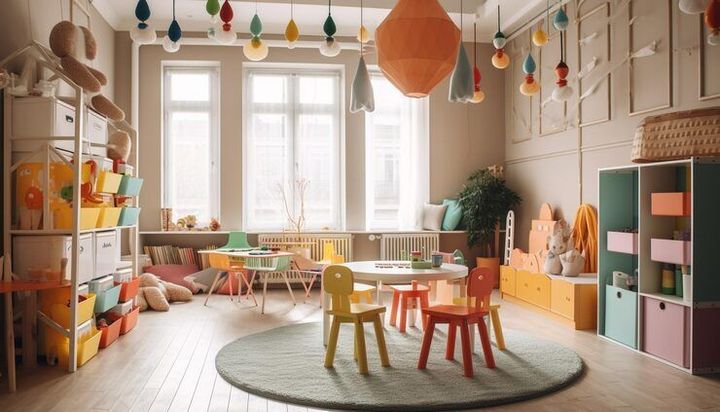
Kids Playroom Furniture Sets: Complete Guide to Safe and Functional Play Spaces
A dedicated playroom gives children a place to explore, learn, imagine, and grow. Whether it is a separate room or a small corner in a family living area, the right furniture can transform the space into a comfortable and organized environment that supports both play and development.
Playroom furniture is more than a collection of small tables and storage bins. It is designed specifically for children's size, safety, and everyday activities. Whether the playroom is a separate room, a corner of the living room, or part of a bedroom, choosing suitable furniture can make the space more practical for both children and parents.
This guide explains everything you need to know about kids playroom furniture sets, including their types, materials, safety features, organization ideas, and current design trends.
What Are Kids Playroom Furniture Sets?
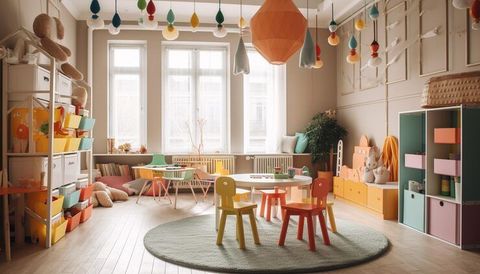
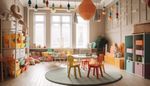
Kids playroom furniture sets are collections of furniture designed specifically for children's play and learning spaces. These sets usually include child-sized seating, tables, storage units, shelves, toy organizers, and activity furniture that encourage independent play while keeping the room tidy.
Unlike standard household furniture, children's furniture is built with rounded edges, lower heights, lightweight construction, and child-friendly materials. These features help children use furniture safely and comfortably without constant assistance from adults.
A complete furniture set creates a consistent layout that supports multiple activities, including reading, drawing, building blocks, puzzles, arts and crafts, pretend play, and quiet time.
Why Kids Playroom Furniture Matters
Children spend a significant amount of time playing, and play is an essential part of learning. The environment around them influences focus, creativity, confidence, and independence.
Appropriately sized furniture allows children to sit correctly while drawing or reading, reach toys without climbing on furniture, and develop responsibility by putting items back into storage after use.
For parents, organized furniture reduces clutter and makes cleaning easier. Dedicated storage also helps separate toys, books, art supplies, and educational materials into accessible sections.
A thoughtfully designed playroom grows with a child's changing interests while supporting everyday family routines.
Different Types of Kids Playroom Furniture Sets
Playroom furniture comes in many styles and combinations depending on the child's age and available space.
Table and Chair Sets
A child-sized table and chair set creates a comfortable workspace for coloring, puzzles, crafts, reading, homework preparation, and board games.
Tables designed for young children are usually lower in height, making it easier to sit with proper posture. Some tables also include built-in storage compartments for crayons, paper, and craft supplies.
These sets often become the central activity area of the playroom.
Toy Storage Units
Toy organizers help separate toys into categories such as building blocks, dolls, vehicles, puzzles, and educational games.
Storage furniture may include open bins, pull-out baskets, cubby shelves, or stackable compartments. Open storage encourages children to identify and return toys independently.
Organized toy storage reduces visual clutter and makes playtime more enjoyable.
Bookshelves and Reading Furniture
Reading furniture creates a quiet learning corner within the playroom.
Low bookshelves display books with covers facing outward so children can easily recognize and choose stories. Reading nooks often include small chairs, floor cushions, soft rugs, and book organizers.
A dedicated reading space encourages daily reading habits from an early age.
Shelving and Display Furniture
Shelves provide space for displaying educational toys, puzzles, art projects, collectibles, and learning materials.
Wall-mounted or freestanding shelves keep frequently used items visible while maximizing floor space.
Proper shelving also helps rotate toys, preventing overcrowded play areas.
Activity Furniture
Activity furniture includes play kitchens, art easels, building block tables, sensory tables, dollhouses, and pretend-play stations.
These pieces encourage imaginative play while creating dedicated zones for different activities.
Activity furniture works especially well in larger playrooms where multiple children play together.
Choosing Furniture Based on Age
Children's needs change quickly during their early years, so furniture should match their developmental stage.
Age Group | Furniture Focus |
| Toddlers | Low shelves, soft seating, rounded tables, easy-access toy bins, safety-focused furniture. |
| Preschool Children | Activity tables, reading corners, art stations, storage cubbies, pretend-play furniture. |
| Early School Age | Study-friendly tables, bookshelves, modular storage, creative activity furniture, organization systems. |
| Older Children | Flexible seating, craft storage, gaming or hobby tables, larger bookshelves, multifunctional furniture. |
Furniture that adapts to different age groups offers longer usability.
Best Materials for Kids Playroom Furniture
The material affects durability, maintenance, safety, and appearance.
Wooden Furniture
Wood is one of the most popular materials because it is durable and timeless. Solid wood furniture can withstand years of active use and often fits different interior styles.
Engineered wood options are also common when designed with child-safe finishes.
Plastic Furniture
Plastic furniture is lightweight, colorful, and easy to clean. It works well for toddlers and activity areas where spills and frequent cleaning are expected.
High-quality plastic furniture is designed with smooth edges and sturdy construction.
Fabric and Upholstered Furniture
Soft seating such as bean bags, floor cushions, and upholstered chairs creates comfortable reading or relaxation areas.
Washable covers simplify maintenance in busy family homes.
Mixed Material Furniture
Many furniture sets combine wood, plastic, and fabric to balance durability, comfort, and storage flexibility.
Choosing easy-to-clean materials makes everyday maintenance much easier.
Safety Features to Look For
Safety should always come before appearance when selecting children's furniture.
Rounded corners reduce the risk of injury during active play. Stable construction prevents tipping, especially for shelves and storage units. Non-toxic finishes and paints are important for children's environments.
Furniture should have smooth surfaces without sharp edges or exposed hardware. Larger shelving units should be secured to walls when appropriate.
Soft-close storage lids help prevent finger injuries, while lightweight drawers allow children to open and close storage independently.
Organizing a Functional Playroom
A successful playroom supports multiple activities without feeling crowded.
Creating separate zones helps children understand where different activities belong. A reading area, creative area, building area, pretend-play corner, and open play space each serve different developmental purposes.
Storage should remain within children's reach so they can access and return items independently.
Keeping the center of the room open provides space for movement, floor games, and physical play.
Regular toy rotation also keeps the room interesting without adding unnecessary clutter.
Space-Saving Furniture for Small Playrooms
Not every home has a dedicated playroom, so furniture should maximize available space.
Foldable tables and chairs can be stored when not in use. Stackable storage bins use vertical space efficiently. Corner shelves transform unused corners into storage areas.
Multi-functional benches with hidden storage provide seating and toy organization at the same time.
Wall-mounted organizers keep art supplies, books, and educational materials accessible without occupying valuable floor space.
Compact furniture helps smaller play areas remain organized and comfortable.
How Kids Playroom Furniture Supports Child Development
Furniture contributes to children's physical, emotional, and cognitive growth in several ways.
Child-sized tables encourage proper sitting posture during creative activities. Accessible shelves promote independence by allowing children to choose and return toys themselves.
Creative furniture supports imagination through art, pretend play, and building activities.
Reading furniture encourages literacy habits and quiet focus, while organization systems teach responsibility and daily routines.
When children participate in maintaining their playroom, they gradually develop organizational and decision-making skills.
Popular Playroom Furniture Styles
Modern playrooms combine functionality with attractive interior design.
Scandinavian Style
Scandinavian furniture focuses on natural wood finishes, neutral colors, minimal design, and practical storage. It creates a calm and uncluttered environment.
Montessori-Inspired Style
Montessori playroom furniture emphasizes accessibility and independence. Everything is placed at child height so children can make choices without assistance.
Colorful Playroom Style
Bright furniture introduces playful colors while keeping storage organized. This style often combines colorful bins with neutral furniture bases.
Nature-Inspired Style
Nature-inspired furniture uses earthy colors, wooden materials, woven baskets, and soft textiles to create a relaxing atmosphere.
Choosing a style that matches the home makes the playroom feel connected rather than separate.
Recent Trends in Kids Playroom Furniture
Over the past year, several design trends have become increasingly popular among families creating children's spaces.
Modular furniture systems allow storage units to expand as children grow. Neutral-colored furniture has gained popularity because it adapts easily to changing room themes.
Open shelving continues to be preferred for encouraging independent access to toys and books. Sustainable materials and environmentally conscious finishes are becoming more common in children's furniture collections.
Convertible furniture that serves multiple purposes is also increasingly used in homes with limited space.
These trends focus on flexibility, organization, and long-term usability rather than temporary decorative themes.
Tips for Maintaining Kids Playroom Furniture
Playroom furniture lasts longer when maintained regularly.
Cleaning surfaces with child-safe cleaning products helps remove dust, paint, and food spills. Storage bins should be emptied and reorganized periodically to remove broken toys or unused items.
Loose screws or hardware should be checked occasionally to maintain stability.
Fabric furniture benefits from washable covers or regular vacuuming to reduce dust and allergens.
Encouraging children to return toys after playtime also keeps furniture organized and reduces unnecessary wear.
Creating a Playroom That Grows With Your Child
Children's interests evolve quickly, so flexibility is valuable when planning a playroom.
Adjustable shelving accommodates larger books and toys over time. Neutral furniture colors work with changing decorations and interests. Storage containers can be relabeled as toys become educational materials, craft supplies, or hobby equipment.
Leaving some open floor space allows new furniture or activities to be added later without redesigning the entire room.
A flexible layout keeps the playroom useful for many years.
Common Mistakes to Avoid
Many playrooms become crowded because too much furniture is added at once.
Oversized furniture reduces space for movement and active play. High shelves that children cannot reach limit independence. Mixing too many storage styles can make organization confusing for younger children.
Choosing appearance over durability may lead to furniture that wears out quickly during daily use.
Planning furniture around activities instead of decoration usually creates a more practical playroom.
Conclusion
Kids playroom furniture sets provide much more than storage and seating. They help create an environment where children can safely explore creativity, develop independence, practice organization, and enjoy everyday learning through play. Choosing furniture that matches a child's age, available space, and daily activities creates a room that is both functional and enjoyable.
A successful playroom balances safety, accessibility, comfort, and organization. With thoughtful furniture selection and flexible design, the space can continue supporting children's growth for years while remaining easy for families to maintain and adapt as needs change.