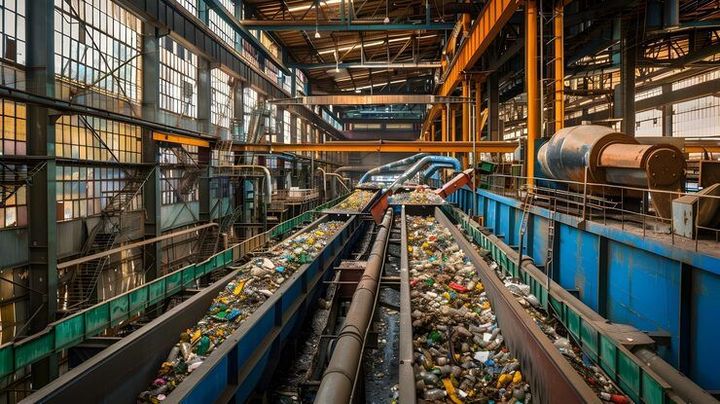
Industrial Waste Management: Complete Guide to Types, Methods, Challenges, and Sustainable Practices
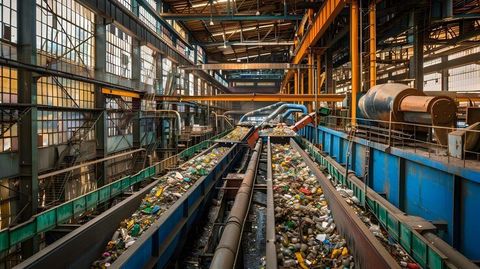
Industrial waste management is an essential part of modern manufacturing, construction, mining, energy production, and other industrial activities. As industries continue to grow, they generate large volumes of waste that must be handled responsibly to protect human health, natural resources, and the environment.
As industries continue to grow, the amount and complexity of industrial waste also increase. Effective waste management is no longer limited to disposal; it now focuses on reducing waste generation, recovering valuable materials, recycling resources, and minimizing environmental impact throughout the production process.
This guide explains industrial waste management in a clear and practical way, covering waste types, treatment methods, disposal techniques, environmental benefits, challenges, regulations, and emerging trends.
What Is Industrial Waste Management?
Industrial waste management is the process of collecting, handling, treating, recycling, transporting, and disposing of waste generated during industrial operations. The goal is to reduce environmental pollution while ensuring waste is managed safely and efficiently.
Industrial waste can come from factories, power plants, manufacturing units, chemical industries, mining operations, food processing facilities, textile industries, pharmaceutical companies, and many other sectors.
A complete waste management system includes:
Identifying waste sources.
Segregating different waste types.
Reducing waste generation.
Recycling and recovering usable materials.
Treating hazardous waste safely.
Disposing of remaining waste according to environmental standards.
A well-planned waste management strategy helps industries comply with environmental regulations while improving operational efficiency.
Why Industrial Waste Management Is Important
Industrial waste management benefits both businesses and society by reducing environmental damage and promoting responsible resource use.
Environmental Protection
Proper waste handling prevents contamination of soil, rivers, groundwater, and air. It also reduces greenhouse gas emissions from uncontrolled waste disposal.
Resource Conservation
Many industrial waste materials contain metals, plastics, chemicals, water, and other resources that can be recovered and reused instead of extracting new raw materials.
Workplace Health and Safety
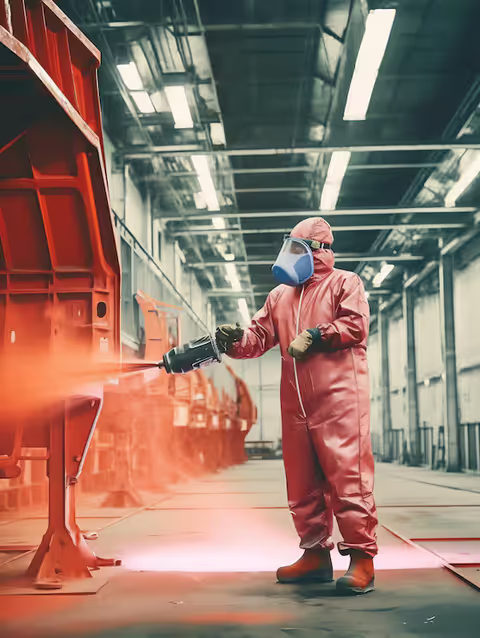
Safe storage, transportation, and disposal reduce risks associated with hazardous chemicals, toxic materials, and industrial accidents.
Regulatory Compliance
Industries must follow environmental laws regarding waste handling, emissions, recycling, storage, and disposal. Effective management helps meet these requirements.
Sustainable Manufacturing
Reducing waste supports circular economy practices, improves production efficiency, and lowers the environmental footprint of industrial operations.
Types of Industrial Waste
Industrial waste varies depending on the industry and manufacturing process. Understanding waste categories helps determine the correct treatment method.
1. Solid Industrial Waste
Solid waste includes materials that remain after manufacturing or processing.
Examples include:
Scrap metal.
Packaging materials.
Plastic waste.
Rubber waste.
Glass.
Paper and cardboard.
Construction debris.
Many of these materials are recyclable.
2. Liquid Industrial Waste
Liquid waste is generated through cleaning, cooling, manufacturing, and chemical processes.
Examples include:
Wastewater.
Oils and lubricants.
Chemical solutions.
Paint residues.
Acidic or alkaline liquids.
Liquid waste often requires treatment before discharge or reuse.
3. Hazardous Industrial Waste
Hazardous waste contains substances that may be toxic, corrosive, flammable, reactive, or harmful to people and ecosystems.
Common hazardous wastes include:
Chemical solvents.
Heavy metals.
Batteries.
Industrial sludge.
Medical manufacturing waste.
Pesticide residues.
Hazardous waste requires specialized handling and disposal.
4. Non-Hazardous Industrial Waste
Non-hazardous waste does not pose immediate environmental or health risks but still requires responsible management.
Examples include:
Organic waste.
Food processing waste.
Textile fibers.
Wood.
Non-toxic manufacturing residues.
These materials are often suitable for recycling or composting.
Major Sources of Industrial Waste
Different industries produce different waste streams.
Industry | Common Waste Generated |
| Manufacturing | Metal scraps, plastics, chemicals, packaging waste. |
| Chemical Industry | Solvents, acids, hazardous sludge, contaminated containers. |
| Mining | Tailings, rocks, contaminated water, dust. |
| Textile Industry | Dyes, wastewater, fabric scraps, chemicals. |
| Food Processing | Organic waste, wastewater, packaging materials. |
| Construction | Concrete, wood, metal, insulation, debris. |
| Power Generation | Fly ash, sludge, wastewater, emissions byproducts. |
Identifying waste at the source allows industries to design more effective waste reduction and recycling programs.
Industrial Waste Management Process
An effective industrial waste management system follows several connected steps.
Waste Identification and Assessment
The first step is identifying waste types, quantities, sources, and potential environmental risks.
This assessment helps determine:
Hazard level.
Treatment requirements.
Recycling opportunities.
Storage methods.
Waste Segregation
Separating waste at the source improves recycling efficiency and reduces contamination.
Typical segregation categories include:
Recyclable materials.
Organic waste.
Hazardous waste.
Liquid waste.
Electronic waste.
Proper labeling and storage containers improve safety and handling.
Collection and Storage
Waste is collected using designated containers, tanks, drums, or storage areas depending on its characteristics.
Safe storage minimizes leaks, spills, fires, and contamination before transportation or treatment.
Transportation
Industrial waste must be transported using appropriate vehicles and containers that prevent spills and exposure during transit.
Transportation procedures vary depending on whether waste is hazardous or non-hazardous.
Treatment and Recovery
Treatment reduces toxicity, volume, or environmental impact before disposal or reuse.
Recovery processes extract valuable materials or energy from waste whenever possible.
Disposal
Waste that cannot be recycled or recovered is disposed of using environmentally approved methods.
Common Industrial Waste Treatment Methods
Different waste materials require different treatment technologies.
Physical Treatment
Physical methods separate waste components without changing chemical composition.
Examples include:
Filtration.
Sedimentation.
Screening.
Centrifugation.
Oil-water separation.
These methods are commonly used in wastewater treatment.
Chemical Treatment
Chemical treatment changes hazardous substances into safer forms.
Methods include:
Neutralization.
Oxidation.
Reduction.
Precipitation.
Coagulation and flocculation.
Chemical treatment is widely used for industrial wastewater and hazardous waste.
Biological Treatment
Biological treatment uses microorganisms to break down organic waste.
Applications include:
Wastewater treatment.
Food industry waste.
Organic sludge treatment.
Biogas production.
This approach reduces pollution while recovering useful byproducts.
Thermal Treatment
Thermal processes expose waste to high temperatures.
Examples include:
Incineration.
Pyrolysis.
Gasification.
Thermal treatment reduces waste volume and may recover energy from combustible materials.
Industrial Waste Recycling and Resource Recovery
Recycling plays a major role in sustainable industrial waste management.
Metal Recycling
Scrap steel, aluminum, copper, and other metals can be processed into new industrial products.
Benefits include reduced mining and lower energy consumption.
Plastic Recycling
Industrial plastic waste is sorted, cleaned, and converted into raw material for manufacturing.
Paper and Cardboard Recycling
Packaging waste is recycled into new paper products, reducing landfill waste.
Chemical Recovery
Some industrial solvents and chemicals can be purified and reused within manufacturing processes.
Water Recovery
Advanced treatment technologies allow industries to recycle wastewater for cooling, cleaning, or production processes.
Resource recovery supports a circular economy by keeping materials in productive use for longer.
Industrial Waste Disposal Methods
When waste cannot be recycled or treated further, safe disposal becomes necessary.
Secure Landfills
Engineered landfills isolate waste from surrounding soil and groundwater using protective liners and monitoring systems.
Hazardous Waste Disposal Facilities
Hazardous waste is disposed of in specially designed facilities that prevent environmental contamination.
Stabilization and Solidification
Hazardous materials may be mixed with stabilizing agents before disposal to reduce mobility and toxicity.
Energy Recovery
Some industrial waste can be converted into heat, electricity, or fuel through approved waste-to-energy technologies.
Disposal should always be the final option after reduction, reuse, and recycling.
Best Practices for Industrial Waste Management
Industries can improve waste performance through practical operational strategies.
Reduce Waste at the Source
Improving manufacturing efficiency reduces unnecessary waste generation.
Examples include:
Optimizing raw material use.
Reducing packaging waste.
Improving production planning.
Implement Waste Segregation Systems
Separate collection systems increase recycling rates and reduce contamination.
Conduct Regular Waste Audits
Waste audits identify major waste sources and opportunities for reduction.
Train Employees
Employees should understand:
Waste handling procedures.
Hazard identification.
Spill response.
Recycling practices.
Safety protocols.
Monitor Waste Generation
Tracking waste quantities helps measure sustainability progress and identify improvement opportunities.
Adopt Circular Economy Principles
Industries increasingly design products and processes that minimize waste while maximizing reuse and recycling.
Environmental and Business Benefits of Effective Waste Management
Proper industrial waste management creates measurable long-term advantages.
Environmental Benefits
Reduced soil and water pollution.
Lower greenhouse gas emissions.
Better air quality.
Conservation of natural resources.
Protection of ecosystems and biodiversity.
Operational Benefits
Improved production efficiency.
Better resource utilization.
Reduced material losses.
Lower waste handling complexity.
Improved workplace organization.
Sustainability Benefits
Supports responsible manufacturing.
Encourages recycling and reuse.
Reduces environmental footprint.
Promotes long-term resource conservation.
Challenges in Industrial Waste Management
Despite improvements, industries continue to face several waste management challenges.
Growing Waste Volumes
Expanding industrial production increases the amount of waste requiring treatment.
Hazardous Waste Complexity
Some waste streams require specialized technology and strict safety procedures.
Recycling Limitations
Mixed or contaminated waste can be difficult to recycle economically.
Infrastructure Requirements
Waste treatment facilities, storage systems, and monitoring technologies require long-term investment.
Regulatory Compliance
Industries must continuously adapt to evolving environmental regulations and reporting requirements.
Addressing these challenges requires better planning, technology adoption, and continuous improvement.
Role of Technology in Industrial Waste Management
Modern technologies are transforming how industries manage waste.
Smart Waste Monitoring
Sensors monitor waste levels, storage conditions, and container capacity in real time.
Automation
Automated sorting systems improve recycling accuracy and reduce manual handling.
Artificial Intelligence
AI helps identify recyclable materials, optimize waste collection, and predict waste generation patterns.
Data Analytics
Waste tracking software helps industries analyze waste trends and improve resource efficiency.
Advanced Treatment Technologies
Modern filtration, membrane systems, biological reactors, and chemical treatment technologies improve recovery rates and reduce pollution.
Technology enables industries to make waste management more efficient and environmentally responsible.
Industrial Waste Management and Sustainability
Sustainability is becoming a core objective of industrial waste management.
Key sustainability practices include:
Designing products with recyclable materials.
Using recycled raw materials in manufacturing.
Recovering energy from suitable waste streams.
Reducing water consumption through wastewater reuse.
Minimizing landfill dependence.
Supporting zero-waste manufacturing initiatives.
These practices help industries reduce environmental impact while improving long-term operational resilience.
Future Trends in Industrial Waste Management
Industrial waste management continues to evolve with changing environmental priorities and technological innovation.
Important trends include:
Greater adoption of circular economy models.
Increased industrial recycling capacity.
Expansion of waste-to-energy technologies.
Improved hazardous waste treatment methods.
Digital waste tracking and reporting systems.
AI-powered waste sorting and monitoring.
Increased focus on carbon reduction and resource efficiency.
Industries are increasingly integrating waste management into broader sustainability and environmental management strategies.
Conclusion
Industrial waste management is a critical component of responsible industrial development. It involves much more than disposing of waste; it includes reducing waste generation, recovering valuable materials, treating hazardous substances safely, recycling resources, and protecting the environment throughout the industrial lifecycle.
A well-designed waste management system improves environmental performance, workplace safety, resource efficiency, and long-term sustainability. As industries adopt smarter technologies, circular economy practices, and more efficient treatment methods, industrial waste management continues to evolve into a key driver of sustainable manufacturing and environmental responsibility.
By understanding waste types, treatment methods, recycling opportunities, and best practices, industries can build safer operations while reducing their impact on natural resources and surrounding communities.

You May Also Like