Industrial Pressure Systems: Complete Guide to Components, Applications, Safety, and Future Trends
Industrial pressure systems are essential systems used to generate, control, store, and distribute pressurized liquids or gases across industrial facilities. They help machines perform tasks that require force, movement, heating, cooling, cleaning, or transportation of materials. These systems operate in manufacturing plants, chemical industries, power stations, food processing facilities, oil and gas operations, pharmaceutical production, water treatment plants, and many other industrial environments.
Pressure systems work by maintaining a controlled level of pressure inside pipes, vessels, tanks, cylinders, or other equipment. The pressure can be created using pumps, compressors, boilers, or hydraulic equipment depending on the type of fluid being used. Once generated, the pressure is managed through valves, regulators, sensors, and monitoring equipment to ensure consistent performance and safe operation.
Industrial processes often depend on accurate pressure levels. Too little pressure can reduce productivity or prevent equipment from functioning properly. Excess pressure, on the other hand, can create safety risks and damage machinery. This makes pressure management one of the most important aspects of industrial engineering.
As industries become more automated and energy conscious, industrial pressure systems continue to evolve with smarter monitoring, improved efficiency, and better safety controls.
Importance: Why Industrial Pressure Systems Matter Today
Pressure systems play a central role in industrial productivity because they transfer energy efficiently across complex processes. Whether powering hydraulic machinery, transporting steam through pipelines, or delivering compressed air to production equipment, these systems support continuous industrial operations.
Modern industries rely on stable pressure to maintain product quality and operational consistency. In manufacturing, pressure systems operate automated machines, robotic equipment, and assembly lines. In chemical processing, controlled pressure ensures reactions occur under safe and predictable conditions. Food processing facilities use pressure during cleaning, sterilization, and packaging processes to meet hygiene standards.
Energy efficiency has also become an important reason why pressure systems receive increased attention. Poorly maintained systems often lose pressure through leaks, worn seals, or inefficient equipment. These losses increase energy consumption and operational costs while reducing overall equipment performance.
Reliable pressure systems also improve workplace safety. Proper monitoring helps prevent equipment failures caused by excessive pressure, corrosion, overheating, or blocked pipelines. Many industries now integrate automated pressure monitoring systems that provide real-time alerts whenever operating conditions move outside acceptable limits.
As industrial automation grows, pressure systems increasingly connect with digital monitoring platforms that improve maintenance planning and operational visibility.
How Industrial Pressure Systems Work
An industrial pressure system follows a controlled process that begins with pressure generation and ends with safe pressure distribution throughout equipment or production lines.
The system starts with a pressure source. Pumps generate pressure for liquids, while compressors generate pressure for gases. Boilers create pressurized steam through controlled heating, and hydraulic power units generate pressure using hydraulic fluid.
Once pressure is created, it moves through pipelines or hoses toward the equipment that needs it. Pressure regulators maintain the required operating level, preventing sudden fluctuations that could affect machinery performance.
Control valves direct pressure to different parts of the system, while relief valves protect equipment by releasing excess pressure when necessary. Pressure gauges and sensors continuously measure operating conditions and provide information to operators or automated control systems.
The process continues in a closed or controlled loop where pressure is monitored, adjusted, and safely released when production requirements change.
Main Components of Industrial Pressure Systems
Industrial pressure systems consist of several interconnected components that work together to maintain safe and efficient operation.
Pressure Generation Equipment
Pumps move liquids under pressure through industrial systems. Different pump designs support applications involving water, chemicals, oils, and industrial fluids.
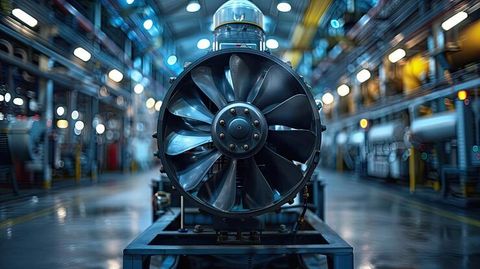
Compressors increase the pressure of gases such as air, nitrogen, or natural gas. They are commonly used in pneumatic systems and industrial processing.
Boilers generate pressurized steam for heating, cleaning, sterilization, and power generation applications.
Pressure Control Devices
Pressure regulators reduce incoming pressure to a desired operating level and help maintain consistent output despite changing supply conditions.
Pressure control valves automatically adjust pressure within different sections of a system based on operational demand.
Relief valves act as safety devices by releasing excess pressure before equipment reaches unsafe operating limits.
Monitoring Equipment
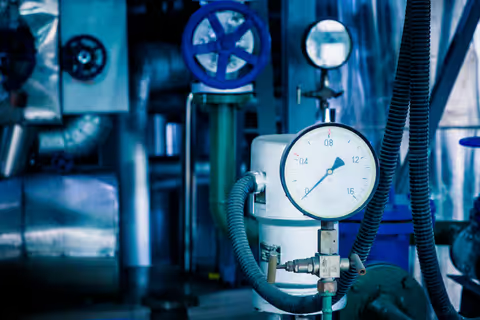
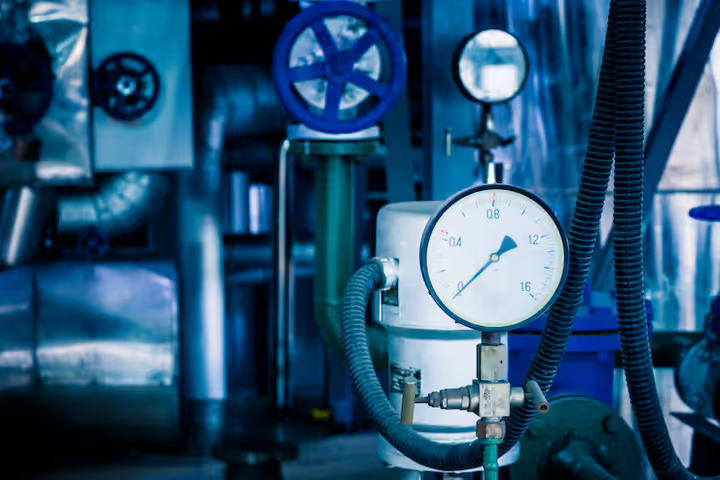
Pressure gauges provide visual readings for operators during inspections and routine operations.
Digital pressure sensors continuously measure pressure and transmit data to industrial monitoring systems.
Transmitters convert pressure readings into electronic signals for automated control systems and industrial software platforms.
Distribution Infrastructure
Industrial pipelines transport liquids, gases, or steam between equipment and production areas.
Industrial hoses provide flexible pressure connections where movement or vibration occurs.
Storage vessels and pressure tanks maintain pressurized fluids before distribution throughout the facility.
Types of Industrial Pressure Systems
Different industries use different pressure systems depending on the material being transported and the application involved.
| Pressure System Type | Common Industrial Use |
|---|---|
| Hydraulic Pressure Systems | Heavy machinery, lifting equipment, presses, construction equipment. |
| Pneumatic Pressure Systems | Compressed air tools, automation systems, packaging machinery. |
| Steam Pressure Systems | Power plants, food processing, textile manufacturing, sterilization. |
| Gas Pressure Systems | Chemical processing, oil and gas transportation, industrial furnaces. |
| Water Pressure Systems | Cooling systems, water treatment plants, industrial cleaning operations. |
Each type requires specialized equipment, pressure ratings, materials, and monitoring methods based on operating conditions.
Industries That Depend on Industrial Pressure Systems
Industrial pressure systems support a wide variety of sectors because controlled pressure is essential for many production and infrastructure processes.
Manufacturing facilities use hydraulic and pneumatic systems to operate production equipment, robotic arms, presses, conveyors, and automated assembly systems.
Chemical plants maintain carefully controlled pressure during chemical reactions, storage, transportation, and processing of industrial chemicals.
Oil and gas facilities transport liquids and gases through pressurized pipelines while maintaining safe operating conditions across drilling, refining, and storage operations.
Food and beverage industries use steam pressure during cooking, sterilization, cleaning, pasteurization, and packaging.
Pharmaceutical manufacturing depends on pressure-controlled environments during production, sterilization, filtration, and laboratory processing.
Power generation facilities operate steam pressure systems for turbines and energy production, while water treatment facilities use pressure to distribute water through filtration and pumping networks.
Benefits of Efficient Industrial Pressure Systems
Efficient pressure systems improve productivity while reducing unnecessary energy consumption and equipment downtime.
Consistent pressure improves process accuracy by delivering stable operating conditions throughout industrial equipment. Machines perform more predictably, resulting in better product quality and fewer production interruptions.
Well-designed systems reduce energy waste by minimizing pressure losses caused by leaks, friction, or poorly configured equipment. Efficient pressure control also reduces unnecessary load on pumps and compressors.
Pressure monitoring improves preventive maintenance because operators can identify abnormal pressure patterns before equipment failures occur.
Modern pressure systems support automation by integrating with industrial control software that continuously adjusts operating conditions based on production demand.
Improved reliability also helps facilities reduce unexpected shutdowns and extend equipment operating life.
Common Challenges in Industrial Pressure Systems
Although pressure systems are highly reliable when maintained correctly, industries face several operational challenges over time.
Pressure leaks are among the most common issues. Small leaks in valves, fittings, hoses, or pipelines gradually reduce efficiency and increase energy usage.
Pressure fluctuations can affect sensitive industrial equipment. These fluctuations may result from pump wear, regulator malfunction, changing production demand, or blocked pipelines.
Corrosion affects pipelines, pressure vessels, and valves, especially when systems transport water, chemicals, or steam under demanding conditions.
Temperature changes can also influence pressure levels, making accurate monitoring important during seasonal or operational variations.
Component wear gradually reduces system performance. Seals, gaskets, bearings, valves, and pumps require periodic inspection to maintain reliable pressure control.
Identifying these challenges early helps industries avoid costly repairs and maintain safe operations.
Safety Practices for Industrial Pressure Systems
Safety remains one of the most important aspects of operating industrial pressure systems because stored pressure contains significant energy.
Industrial facilities establish operating limits for every pressure system based on equipment design and engineering specifications.
Routine inspections help identify corrosion, leaks, damaged valves, unusual vibrations, or pressure abnormalities before they become serious problems.
Pressure relief devices provide protection during unexpected pressure increases by safely releasing excess pressure from the system.
Monitoring equipment should remain calibrated so pressure readings remain accurate during operation.
Operators receive training on startup procedures, shutdown procedures, emergency pressure release methods, and inspection practices.
Maintenance activities often include isolating pressure sources before repairs begin to reduce risks associated with stored energy.
A strong safety culture combines engineering controls, regular inspections, documentation, and operator awareness.
Maintenance and Performance Optimization
Preventive maintenance is the most effective approach for keeping industrial pressure systems operating efficiently over long periods.
Regular inspection schedules allow maintenance teams to detect wear before failures occur. Visual inspections often include valves, pipes, fittings, pressure vessels, hoses, gauges, and insulation.
Pressure testing verifies that equipment continues operating within acceptable limits after maintenance or installation work.
Cleaning filters, replacing worn seals, lubricating moving components, and checking regulators help maintain stable pressure throughout the system.
Digital monitoring systems now collect pressure data continuously, making it easier to identify gradual performance changes over time.
Maintenance records also help engineers analyze recurring issues and improve long-term system reliability through data-driven planning.
Recent Updates and Industry Trends in 2025–2026
Industrial pressure systems have seen significant technological improvements over the past year as industries continue investing in automation, sustainability, and predictive maintenance.
Smart pressure sensors have become more common across manufacturing facilities. These sensors provide continuous monitoring and send operating data directly to industrial control systems for faster decision-making.
Predictive maintenance has expanded through artificial intelligence and industrial analytics. Instead of relying only on scheduled inspections, facilities increasingly analyze pressure trends to predict equipment wear before failures occur.
Energy efficiency initiatives have encouraged industries to modernize compressors, pumps, and pressure regulators to reduce energy losses caused by pressure leaks and inefficient operation.
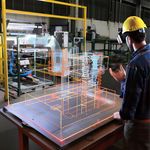
Digital twin technology is gaining attention in industrial engineering. Engineers create virtual models of pressure systems to simulate operating conditions, identify bottlenecks, and improve maintenance planning without interrupting production.
Industrial cybersecurity has also become a growing focus because connected pressure monitoring systems communicate through industrial networks that require secure data management and operational protection.
These developments reflect a broader shift toward intelligent, connected industrial infrastructure.
Tools Used for Monitoring Industrial Pressure Systems
Modern industrial facilities use a combination of traditional instruments and digital technologies to monitor pressure performance.
Digital pressure gauges provide accurate readings while reducing manual observation requirements.
Industrial pressure transmitters continuously send operational data to programmable logic controllers and supervisory monitoring platforms.
SCADA systems collect pressure information from multiple locations across industrial facilities, allowing centralized monitoring and control.
Industrial IoT devices enable remote pressure monitoring through connected sensors installed throughout pipelines, pumps, tanks, and processing equipment.
Data analytics platforms help engineers identify unusual pressure patterns, equipment inefficiencies, and maintenance priorities using historical operating data.
These technologies improve visibility into complex industrial systems while supporting faster operational decisions.
The Future of Industrial Pressure Systems
Industrial pressure systems are expected to become more intelligent, efficient, and environmentally responsible over the coming years.
Automation will continue reducing manual pressure adjustments through adaptive control systems that respond automatically to changing production conditions.
Artificial intelligence will improve predictive maintenance by identifying subtle pressure variations associated with equipment wear.
Energy-efficient equipment designs will help industries reduce emissions and improve resource utilization without compromising operational performance.
Advanced materials for pipes, valves, and pressure vessels are expected to improve corrosion resistance and increase equipment lifespan in demanding industrial environments.
Digital integration will connect pressure systems with broader industrial platforms, creating more transparent, data-driven production environments.
As industries adopt smarter infrastructure, pressure systems will become increasingly important in supporting sustainable manufacturing and reliable industrial operations.
Conclusion
Industrial pressure systems are fundamental to modern industrial operations because they provide the controlled force and energy required for manufacturing, processing, transportation, heating, cooling, and automation. Their performance influences productivity, safety, energy efficiency, and equipment reliability across numerous industries.
Understanding how pressure systems work, the components involved, and the importance of regular monitoring helps industries maintain consistent operations while reducing operational risks. Advances in smart sensors, predictive maintenance, automation, and digital monitoring are transforming traditional pressure systems into intelligent industrial infrastructure capable of supporting modern production environments.
As industrial technology continues to evolve, well-designed and properly maintained pressure systems will remain an essential part of safe, efficient, and sustainable industrial operations.