Jump to a Chapter

Industrial Noise Control Systems: Complete Guide to Workplace Noise Reduction

Industrial Noise Control Systems: Complete Guide to Workplace Noise Reduction

Industrial environments are filled with powerful machines, production equipment, ventilation systems, compressors, generators, and heavy manufacturing processes that create continuous noise. While some level of sound is expected in factories and industrial facilities, excessive noise can affect employee well-being, communication, productivity, and long-term workplace safety. This is where industrial noise control systems become an essential part of modern industrial design.

Industrial noise control systems are designed to reduce, isolate, and manage unwanted sound generated by machinery and industrial operations. Instead of simply blocking noise after it becomes a problem, these systems focus on controlling sound at its source, along its transmission path, or at the location where people are exposed. As industries continue to modernize, noise management has become an important element of sustainable and safe workplace planning.

This guide explains what industrial noise control systems are, how they work, where they are used, recent developments in the field, and the resources businesses use to build quieter industrial environments.

Understanding Industrial Noise Control Systems

Industrial noise control systems are engineering solutions created to minimize harmful or disruptive sound levels in manufacturing plants, warehouses, processing facilities, power plants, and other industrial environments. Their primary purpose is to reduce noise exposure while maintaining efficient industrial operations.

Every industrial process produces sound through vibration, airflow, rotating equipment, impacts, or mechanical movement. Noise control systems identify these sources and apply techniques that reduce sound without interfering with production performance.

Rather than relying on a single solution, industrial noise control usually combines multiple methods such as sound absorption, sound insulation, vibration isolation, acoustic barriers, silencers, and equipment enclosures. The right combination depends on the facility layout, machinery type, and workplace noise levels.

Modern industrial noise management also considers employee comfort, equipment maintenance, energy efficiency, and regulatory compliance during system design.

Why Industrial Noise Control Matters Today

Industrial noise affects much more than hearing. Continuous exposure to high sound levels can make communication difficult, reduce concentration, increase fatigue, and create challenges for workplace safety where verbal warnings or alarms are important.

As manufacturing facilities become larger and more automated, noise sources often operate simultaneously throughout the day. Without proper control, sound can travel through walls, ceilings, floors, ducts, and structural components, affecting multiple work areas.

Noise control systems help organizations create healthier work environments by reducing unnecessary sound exposure and improving overall acoustic conditions. They also help facilities protect sensitive equipment, improve speech clarity in operational areas, and reduce vibration-related disturbances.

Industries that prioritize workplace health increasingly include acoustic planning during facility construction, equipment installation, and production line upgrades rather than treating noise as an afterthought.

How Industrial Noise Control Systems Work

Noise control follows a practical engineering approach based on understanding how sound travels through an industrial environment. Engineers first identify the loudest equipment, measure sound intensity, and determine how noise spreads throughout the workplace.

The first strategy focuses on controlling noise at the source. Machines may receive quieter components, vibration dampers, improved lubrication, balanced rotating parts, or redesigned exhaust systems to reduce sound generation.

The second strategy controls noise during transmission. Acoustic barriers, insulated walls, ceiling panels, duct silencers, and sound-absorbing materials interrupt the path between equipment and workers.

The final strategy reduces exposure at the receiver. Control rooms, operator cabins, acoustic partitions, and workstation enclosures create quieter spaces where employees spend significant time.

A complete noise control system often integrates all three strategies for maximum effectiveness.

Major Components of Industrial Noise Control Systems

Industrial facilities use different acoustic components depending on operational requirements and building design.

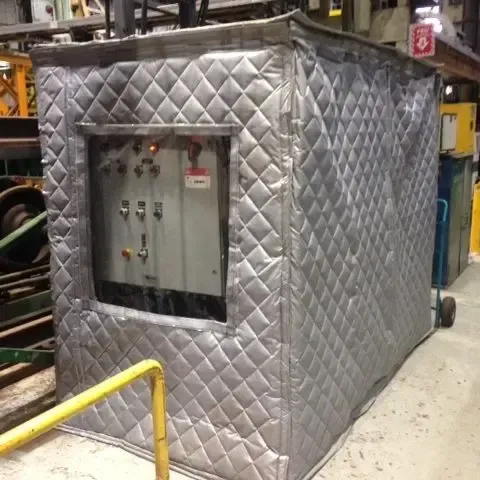
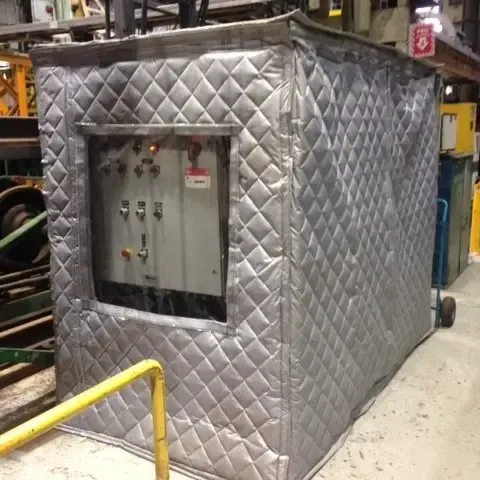
Acoustic enclosures surround noisy equipment such as generators, compressors, pumps, or motors with specially designed sound-insulated structures. These enclosures reduce sound escaping into surrounding workspaces while maintaining ventilation and equipment access.

Sound barriers are installed between noise sources and occupied areas. They block direct sound transmission and help reduce noise reaching nearby workstations.

Acoustic panels absorb reflected sound from walls and ceilings. These panels reduce echo and improve overall sound quality inside production halls and industrial buildings.

Silencers and mufflers reduce noise generated by airflow systems, exhaust outlets, ventilation ducts, turbines, blowers, and compressors.

Vibration isolation systems prevent machinery vibrations from transferring into floors, structural supports, and connected equipment where vibration can create additional noise.

Together, these components create a balanced acoustic environment without significantly changing industrial processes.

Common Sources of Industrial Noise

Different industries generate different types of noise depending on machinery, production methods, and operational processes.

Manufacturing facilities commonly produce mechanical noise from stamping machines, CNC equipment, conveyors, robotics, presses, and material handling systems.

Power generation facilities create noise through turbines, generators, transformers, cooling systems, and exhaust systems.

Processing industries generate continuous sound from pumps, mixers, compressors, piping systems, fans, and industrial ventilation equipment.

Mining and construction operations often involve drilling, crushing, heavy vehicles, and hydraulic equipment that produce high-impact noise.

Warehouses and logistics centers also experience increasing noise from automated sorting systems, forklifts, loading equipment, and large HVAC systems.

Understanding these sources helps engineers choose the most effective control methods.

Industries That Use Noise Control Systems

Industrial noise control systems are used across a wide range of sectors because nearly every industrial environment includes equipment that generates sound.

Manufacturing plants use acoustic treatments around assembly lines, fabrication equipment, and automated machinery. Food and beverage facilities reduce equipment noise while maintaining hygiene requirements. Pharmaceutical facilities improve acoustic comfort in production and laboratory areas.

Oil and gas facilities manage compressor stations, turbines, and processing equipment with specialized acoustic enclosures and silencers. Chemical plants reduce noise around pumps, reactors, cooling towers, and ventilation systems.

Automotive production facilities integrate sound control into robotic welding stations, paint shops, engine testing areas, and assembly operations. Energy facilities also use extensive acoustic engineering around generators, substations, and industrial cooling equipment.

Benefits of Industrial Noise Control Systems

Effective noise control improves industrial environments in several practical ways. Reduced workplace noise supports clearer communication between employees, supervisors, and equipment operators, especially in production areas where coordination is important.

Lower noise levels contribute to improved concentration and reduced listening fatigue during long work shifts. Quieter environments also make warning signals and emergency announcements easier to hear.

Noise reduction can improve the usability of offices, control rooms, laboratories, maintenance workshops, and inspection areas located within industrial facilities.

In addition to human benefits, vibration and acoustic control may reduce unwanted resonance that affects machine stability and building structures over time.

Overall, noise management becomes part of broader workplace safety and operational planning.

Designing an Effective Industrial Noise Control Strategy

A successful industrial noise control project begins with understanding the facility rather than installing acoustic products immediately.

Engineers perform a noise assessment to identify sound sources, measure sound pressure levels, and map noise distribution across different work zones. This assessment helps determine which equipment contributes the most noise exposure.

After analysis, engineers prioritize control measures based on operational needs, maintenance access, ventilation requirements, and available installation space.

Facility layout also influences design decisions. Separating noisy equipment rooms from occupied workspaces, adding acoustic insulation during construction, and optimizing equipment placement can significantly reduce overall noise exposure.

The design process balances acoustic performance with airflow, fire safety, equipment cooling, and operational accessibility.

Recent Developments in Industrial Noise Control Systems

Industrial noise control technology has continued to evolve throughout the past year as industries invest in smarter workplaces and sustainable manufacturing.

One important trend is the use of smart acoustic monitoring systems. These systems use connected sound sensors that continuously monitor workplace noise levels and provide real-time alerts when sound exceeds predefined limits.

Artificial intelligence is also being applied to analyze noise patterns and identify equipment that becomes louder over time due to wear, imbalance, or maintenance issues. This allows maintenance teams to address problems before they become larger operational concerns.

Another recent development is the growing use of lightweight sustainable acoustic materials made from recycled fibers, mineral-based insulation, and environmentally conscious composite materials that provide effective sound absorption.

Digital twin technology is increasingly helping engineers simulate industrial acoustics before installing equipment in new facilities, making noise planning more accurate during construction and expansion projects.

Noise Control and Workplace Regulations

Many countries maintain occupational safety standards that define acceptable workplace noise exposure levels over specified time periods. Industrial facilities typically perform periodic noise measurements to evaluate compliance with workplace safety requirements.

Noise assessments help organizations identify high-exposure zones, determine hearing protection requirements where necessary, and evaluate whether engineering controls can reduce exposure.

Engineering controls are generally considered a preferred long-term approach because they reduce noise throughout the workplace instead of relying only on personal protective equipment.

Regular monitoring, equipment maintenance, and acoustic inspections help facilities maintain compliance as machinery ages or production processes change.

Maintenance of Industrial Noise Control Systems

Noise control systems require routine inspection to maintain their effectiveness over time. Acoustic panels, silencers, insulation materials, seals, and vibration isolators can gradually wear due to heat, moisture, dust, or mechanical stress.

Maintenance teams inspect enclosure doors, ventilation openings, mounting hardware, and acoustic lining for signs of damage or deterioration. Replacing worn vibration mounts or damaged insulation helps preserve acoustic performance.

Cleaning ventilation silencers and ensuring proper airflow prevents cooling issues while maintaining sound reduction capabilities.

Preventive maintenance also includes monitoring machinery because increased vibration or unusual sound often indicates developing mechanical problems.

Choosing the Right Noise Control Solution

Every industrial facility has unique acoustic challenges, so selecting a noise control solution depends on equipment type, building structure, production process, and employee work locations.

Facilities with concentrated noise sources may benefit from acoustic enclosures and silencers, while open manufacturing spaces often require ceiling absorption panels and wall treatments to reduce reflected sound.

Ventilation systems require acoustic designs that reduce noise without restricting airflow. Heavy machinery may need vibration isolation systems to prevent sound transmission through structural foundations.

A comprehensive assessment ensures that solutions address the actual source of noise instead of only reducing symptoms in nearby areas.

Tools and Resources Used in Industrial Noise Control

Industrial noise management relies on specialized tools for measurement, analysis, and ongoing monitoring.

Sound level meters help measure workplace noise intensity during inspections and compliance assessments. Acoustic analyzers evaluate frequency patterns to identify dominant noise sources generated by machinery or airflow systems.

Noise mapping software creates visual models showing how sound travels through industrial buildings, helping engineers optimize barrier placement and acoustic treatments.

Vibration monitoring equipment detects mechanical vibration that contributes to noise generation in rotating machinery and structural components.

Many facilities also use continuous environmental monitoring systems that record sound levels over time and support maintenance planning and workplace safety documentation.

Frequently Asked Questions

What is the purpose of an industrial noise control system?

Its purpose is to reduce unwanted noise generated by industrial equipment and processes, creating a safer and more comfortable working environment while supporting workplace noise management.

How do industrial noise control systems reduce sound?

They reduce sound by controlling noise at its source, interrupting its transmission path, and reducing employee exposure through engineering solutions such as acoustic enclosures, barriers, panels, silencers, and vibration isolation.

Which industries benefit from industrial noise control systems?

Manufacturing, automotive, chemical processing, food production, pharmaceuticals, mining, energy generation, logistics, and many other industrial sectors use these systems to manage workplace noise.

Are industrial noise control systems only used for employee safety?

No. They also improve communication, reduce echo, protect sensitive environments, improve acoustic comfort, and support efficient facility design.

How often should industrial noise control systems be inspected?

Inspection schedules vary by facility, but regular monitoring and preventive maintenance help ensure acoustic materials, vibration isolators, and silencers continue performing effectively.

Conclusion

Industrial noise control systems have become an important part of modern industrial infrastructure because they help manage one of the most common challenges in manufacturing and processing environments. By combining acoustic engineering, vibration control, sound absorption, and intelligent monitoring, these systems create workplaces where equipment operates efficiently while unnecessary noise exposure is reduced.

As industries continue adopting automation, connected monitoring, and sustainable facility design, noise management is becoming more proactive and data-driven. Facilities that integrate industrial noise control into equipment planning, maintenance, and building design can improve workplace conditions, support long-term operational performance, and create environments that are better suited for both people and industrial processes.

author-image

Zephyra

I am a creative and detail-oriented Content Writer passionate about producing clear, engaging, and informative content for digital audiences.

September 18, 2026 . 9 min read