Industrial Fluid Control Explained: Components, Systems, Benefits, and Modern Applications
Industrial fluid control plays an essential role in modern manufacturing, energy production, water treatment, chemical processing, food production, and many other industries. Every industrial process that moves, regulates, stores, or distributes liquids and gases depends on reliable fluid control systems. Whether it is controlling water pressure in a treatment plant or managing hydraulic oil in heavy machinery, fluid control helps keep operations safe, efficient, and consistent.
As industries continue adopting automation and smart technologies, industrial fluid control systems have become more advanced. Modern systems use sensors, automated valves, controllers, and monitoring software to improve precision while reducing waste and downtime.
This guide explains industrial fluid control in simple terms, covering its purpose, components, working principles, applications, benefits, maintenance practices, and current industry trends.
What Is Industrial Fluid Control?
Industrial fluid control is the process of managing the flow, pressure, direction, temperature, and volume of fluids within industrial systems. The term "fluid" includes liquids such as water, oil, chemicals, and coolants, as well as gases like compressed air, steam, and natural gas.
Fluid control systems ensure that fluids move through pipelines and equipment in a controlled manner according to operational requirements. These systems prevent leaks, maintain consistent pressure, regulate temperatures, and ensure equipment operates safely.
A fluid control system may be manual, semi-automatic, or fully automated depending on the industry and application.
Why Industrial Fluid Control Matters
Proper fluid control is important because industrial operations depend on consistent movement and regulation of fluids. Even small changes in pressure or flow rate can affect product quality, equipment performance, and workplace safety.
Key reasons fluid control is important include:
Maintaining stable production processes.
Preventing equipment damage caused by excessive pressure.
Improving operational safety.
Reducing fluid waste and energy consumption.
Supporting automated manufacturing systems.
Ensuring environmental compliance through controlled fluid handling.
Reliable fluid control contributes to higher productivity while minimizing operational interruptions.
How Industrial Fluid Control Systems Work
A fluid control system combines multiple components that work together to regulate fluid movement throughout an industrial process.
Basic working process
A pump or compressor generates fluid movement.
Pipes or tubing transport the fluid.
Valves regulate flow direction and volume.
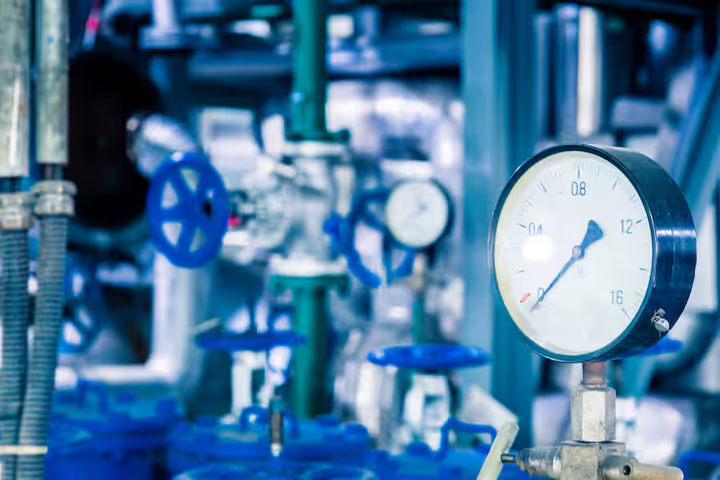
Sensors measure pressure, flow, temperature, or liquid level.
Controllers receive sensor data and adjust system operation.
Actuators open or close valves automatically when needed.
This continuous monitoring and adjustment helps maintain the desired operating conditions.
Main Components of an Industrial Fluid Control System
Understanding the major components helps explain how industrial fluid control systems function.
Valves
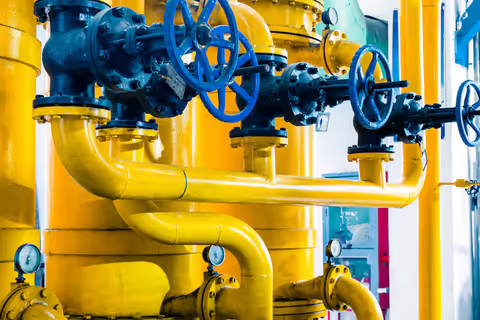
Valves regulate the movement of liquids and gases through pipelines.
Common valve types include:
Ball valves
Butterfly valves
Gate valves
Globe valves
Check valves
Solenoid valves
Control valves
Each valve type serves a specific purpose depending on pressure, flow rate, and application.
Pumps
Pumps move liquids through industrial systems.
Examples include:
Centrifugal pumps
Positive displacement pumps
Diaphragm pumps
Gear pumps
Peristaltic pumps
Pump selection depends on fluid characteristics and operating requirements.
Pressure Regulators
Pressure regulators maintain safe operating pressure throughout the system. They automatically reduce or stabilize pressure when fluctuations occur.
Flow Meters
Flow meters measure how much fluid passes through a pipeline over time. Accurate flow measurement improves process control and resource management.
Sensors and Transmitters
Sensors collect real-time operating data, including:
Pressure
Temperature
Flow rate
Liquid level
Fluid quality
This information helps automated systems respond quickly to changing conditions.
Actuators
Actuators convert electrical, pneumatic, or hydraulic signals into valve movement. They enable remote and automatic fluid control.
Pipes and Fittings
Pipes transport fluids between equipment, while fittings connect sections of the piping system securely.
Types of Industrial Fluid Control Systems
Different industries use different fluid control systems based on operational needs.
Hydraulic Fluid Control Systems
Hydraulic systems use pressurized liquids to generate mechanical force.
Common applications include:
Construction equipment
Industrial presses
Manufacturing machinery
Lifting equipment
Hydraulic systems provide high power with precise control.
Pneumatic Fluid Control Systems
Pneumatic systems use compressed air instead of liquid.
They are commonly found in:
Packaging machines
Assembly lines
Robotics
Material handling systems
Pneumatic systems are often preferred for clean, fast operations.
Water Fluid Control Systems
Water control systems regulate water distribution, filtration, cooling, irrigation, and wastewater treatment.
Chemical Fluid Control Systems
Chemical processing requires specialized materials and valves capable of handling corrosive or hazardous fluids safely.
Steam and Gas Control Systems
Steam and gas systems regulate temperature, pressure, and distribution in power plants, food processing facilities, and industrial heating systems.
Industries That Use Industrial Fluid Control
Industrial fluid control supports a wide range of industries.
Manufacturing
Manufacturing plants use fluid control for cooling, lubrication, hydraulic machinery, cleaning systems, and automated production.
Oil and Gas
Fluid control manages drilling fluids, crude oil transport, natural gas distribution, refining operations, and safety shutdown systems.
Water and Wastewater Treatment
Treatment facilities rely on valves, pumps, and sensors to regulate water flow, filtration, chemical dosing, and wastewater processing.
Chemical Processing
Chemical industries require accurate dosing, mixing, pressure regulation, and corrosion-resistant control systems.
Food and Beverage Processing
Fluid control helps maintain hygiene while managing ingredients, cleaning solutions, steam, and cooling systems.
Pharmaceutical Manufacturing
Pharmaceutical production depends on precise fluid control to maintain sterile processing conditions and accurate ingredient distribution.
Energy and Power Generation
Power plants regulate steam, cooling water, fuel, and hydraulic systems using advanced fluid control technologies.
Common Types of Industrial Fluids
Industrial systems manage many types of fluids.
| Fluid Type | Common Industrial Use |
|---|---|
| Water | Cooling, cleaning, treatment, transport. |
| Hydraulic oil | Power transmission in machinery. |
| Compressed air | Pneumatic automation systems. |
| Steam | Heating and energy production. |
| Chemicals | Mixing, processing, dosing, reactions. |
| Coolants | Temperature regulation in equipment. |
| Industrial gases | Manufacturing, welding, energy, processing. |
Each fluid requires compatible materials and control equipment.
Benefits of Industrial Fluid Control Systems
Modern industrial fluid control systems provide multiple operational advantages.
Improved Process Efficiency
Precise control helps maintain consistent production conditions and reduces process variability.
Enhanced Safety
Pressure relief valves, automatic shutoffs, and monitoring systems help prevent accidents and equipment failures.
Reduced Waste
Accurate flow regulation minimizes fluid loss during production and transportation.
Better Energy Efficiency
Optimized pumps and valves reduce unnecessary energy consumption.
Higher Equipment Reliability
Controlled operating conditions reduce wear and extend equipment lifespan.
Increased Automation
Automated fluid control reduces manual intervention and improves operational consistency.
Challenges in Industrial Fluid Control
Despite its benefits, industrial fluid control systems face several challenges.
Pressure Fluctuations
Sudden pressure changes may damage equipment or reduce system performance.
Corrosion and Material Compatibility
Some fluids can corrode pipes, valves, and fittings if incompatible materials are used.
Leakage
Leaks waste resources, increase maintenance costs, and may create environmental or safety concerns.
Contamination
Contaminated fluids can affect production quality and damage equipment.
Temperature Variations
Extreme temperatures influence fluid viscosity and system performance.
Proper system design and maintenance help address these challenges.
Industrial Fluid Control and Automation
Automation has transformed fluid control across industries.
Programmable Logic Controllers (PLCs)
PLCs automatically control pumps, valves, and actuators based on sensor inputs.
SCADA Systems
Supervisory Control and Data Acquisition (SCADA) systems monitor industrial fluid networks in real time and provide centralized control.
Industrial IoT Sensors
Connected sensors continuously monitor operating conditions and send alerts when abnormal values are detected.
Remote Monitoring
Operators can monitor fluid systems remotely, reducing response time during equipment issues.
Automation improves both operational visibility and process control.
Smart Technologies in Modern Fluid Control
Industrial fluid control continues evolving through digital technologies.
Predictive Maintenance
Sensors detect vibration, pressure changes, or temperature abnormalities before equipment fails.
Digital Flow Monitoring
Real-time dashboards help operators optimize fluid consumption and identify inefficiencies.
Intelligent Control Valves
Smart valves automatically adjust flow based on changing production requirements.
Data Analytics
Historical operating data helps improve maintenance planning and process optimization.
These technologies support more reliable and efficient industrial operations.
Choosing the Right Industrial Fluid Control Components
Selecting appropriate components depends on several factors.
Consider Fluid Characteristics
Evaluate:
Viscosity
Temperature
Pressure
Corrosiveness
Particle content
Match Operating Conditions
Components should be compatible with expected pressure ranges, temperatures, and flow rates.
Material Selection
Common materials include:
Stainless steel
Brass
PVC
Carbon steel
Specialized alloys
Engineering plastics
Material compatibility improves durability and safety.
Automation Requirements
Choose manual or automated components depending on operational complexity and monitoring needs.
Maintenance Best Practices for Fluid Control Systems
Regular maintenance improves reliability and reduces unexpected downtime.
Inspect Valves Regularly
Check for wear, corrosion, leakage, and proper operation.
Monitor Pressure Levels
Unexpected pressure changes often indicate developing system problems.
Clean Filters and Strainers
Removing debris helps maintain proper flow and protects pumps and valves.
Check Sensors and Calibration
Accurate sensor readings are essential for automated control systems.
Inspect Seals and Connections
Replace worn seals before leaks develop into larger maintenance issues.
Maintain Pumps
Routine lubrication, alignment checks, and vibration monitoring help extend pump life.
Preventive maintenance is generally more effective than reactive repairs.
Environmental and Sustainability Considerations
Industrial fluid control contributes to environmental sustainability in several ways.
Water Conservation
Flow control systems reduce unnecessary water consumption and improve recycling processes.
Energy Optimization
Efficient pumps and automated controls lower overall energy usage.
Leak Detection
Continuous monitoring identifies leaks quickly, reducing waste and environmental impact.
Wastewater Management
Controlled chemical dosing and filtration improve wastewater treatment performance.
Sustainable fluid management supports both operational efficiency and environmental responsibility.
Recent Trends in Industrial Fluid Control
Industrial fluid control has seen significant technological development during the past year.
Greater Adoption of Smart Sensors
Industries are expanding the use of connected pressure, temperature, and flow sensors for continuous monitoring.
AI-Assisted Maintenance
Machine learning tools are increasingly used to identify maintenance needs before equipment failures occur.
Digital Twin Technology
Manufacturers are creating digital models of fluid systems to simulate performance and improve operational planning.
Energy-Efficient Pumping Systems
Variable-speed drives and intelligent pump controls are helping reduce energy consumption across industrial facilities.
Increased Industrial Automation
More facilities are integrating fluid control systems with robotics, IoT platforms, and centralized operational software for better coordination.
These trends reflect a broader move toward smarter, data-driven industrial operations.
Best Practices for Reliable Industrial Fluid Control
Organizations can improve fluid system performance by following practical operational practices.
Design systems according to process requirements.
Use compatible materials for every fluid type.
Install accurate monitoring instruments.
Schedule preventive maintenance inspections.
Replace worn seals and valves before failure.
Monitor energy usage and fluid consumption.
Train operators on safe system operation.
Keep maintenance records for performance analysis.
A systematic maintenance strategy improves long-term reliability and operational efficiency.
The Future of Industrial Fluid Control
Industrial fluid control is becoming more intelligent, connected, and efficient. As industries adopt Industry 4.0 technologies, fluid control systems are evolving beyond basic valves and pumps into integrated networks capable of real-time monitoring, automated decision-making, and predictive maintenance.
Future developments are expected to focus on smarter sensors, improved automation, energy-efficient equipment, digital monitoring platforms, and environmentally responsible fluid management practices. These innovations help industries improve productivity while reducing waste and supporting sustainable operations.
Conclusion
Industrial fluid control is a foundational part of modern industrial infrastructure. It ensures liquids and gases move safely, efficiently, and accurately through manufacturing plants, processing facilities, utilities, and energy systems. From valves and pumps to sensors and automated controllers, every component works together to maintain stable operating conditions and protect equipment.
As automation, digital monitoring, and smart technologies continue advancing, industrial fluid control systems are becoming more precise, reliable, and easier to manage. Understanding how these systems work, where they are used, and how they should be maintained helps organizations improve operational efficiency, enhance safety, reduce downtime, and support long-term industrial performance.