Industrial Energy Solutions: A Complete Guide to Efficient and Sustainable Energy Systems
Industrial energy solutions refer to the systems, technologies, and strategies used to supply, manage, monitor, and optimize energy in industrial facilities. Every manufacturing plant, processing facility, warehouse, and production unit depends on energy to operate machinery, lighting, heating, cooling, and automation systems. As industries continue to expand and modernize, energy management has become an important part of improving operational performance while reducing unnecessary consumption.
Unlike traditional approaches that focus only on energy supply, modern industrial energy solutions combine energy generation, distribution, storage, monitoring, and efficiency improvements into one integrated approach. These solutions help industries understand how energy is used across different operations and identify opportunities to improve efficiency without affecting productivity.
Today, industries are increasingly adopting advanced technologies that allow real-time monitoring, predictive maintenance, and automated energy optimization. This shift supports long-term operational stability while encouraging responsible use of energy resources.
Why Industrial Energy Solutions Matter Today
Energy is one of the most significant operational requirements in industrial environments. Rising production demands, expanding infrastructure, and growing sustainability goals have increased the need for smarter energy management systems. Industrial energy solutions help organizations use available energy more effectively while reducing losses throughout production processes.
A well-designed energy solution supports continuous operations by ensuring reliable energy availability. It also improves equipment performance because machines operate more efficiently when energy systems are properly managed. Better energy visibility allows facility managers to understand consumption patterns and identify equipment or processes that require optimization.
Industrial sectors such as manufacturing, food processing, pharmaceuticals, textiles, chemicals, automotive production, and metal fabrication all benefit from structured energy management. Each industry has unique energy demands, making customized solutions valuable for improving overall operational efficiency.
Modern industrial energy solutions also contribute to environmental responsibility by encouraging efficient energy use, reducing emissions where possible, and supporting cleaner energy technologies.
How Industrial Energy Solutions Work
Industrial energy solutions operate through a connected system that measures energy demand, distributes power efficiently, monitors consumption, and adjusts operations when necessary. Instead of treating each piece of equipment independently, these systems view the facility as one energy ecosystem.
The process begins with energy generation or supply. Facilities may receive electricity from the grid while also integrating renewable sources such as solar or wind energy where appropriate. Some industrial sites also use combined heat and power systems that generate electricity and useful heat simultaneously.
The next stage involves energy distribution through transformers, switchgear, power panels, and distribution networks that deliver electricity safely to different operational areas. Smart monitoring devices collect data from equipment, motors, pumps, compressors, HVAC systems, and lighting infrastructure.
Energy management software analyzes this information continuously. It identifies consumption trends, peak demand periods, equipment inefficiencies, and opportunities to improve scheduling. Automated control systems can then optimize operations by adjusting equipment performance based on production requirements.
This connected approach creates a more efficient and responsive industrial energy environment.
Major Components of Industrial Energy Solutions
Industrial energy systems include several interconnected technologies that work together to improve performance and reliability.
| Component | Purpose |
|---|---|
| Power Distribution Systems | Deliver electricity safely across industrial facilities. |
| Energy Monitoring Systems | Track real-time energy consumption and performance. |
| Industrial Automation | Optimize equipment operation through intelligent controls. |
| Energy Storage Systems | Store excess energy for later operational use. |
| Renewable Energy Integration | Support cleaner and diversified energy sources. |
| Smart Sensors and Meters | Collect accurate operational and energy data. |
| Backup Power Systems | Maintain operations during power interruptions. |
Together, these components create a comprehensive energy infrastructure capable of supporting modern industrial operations.
Types of Industrial Energy Solutions
Industrial facilities require different energy strategies depending on production size, location, and operational requirements.
Energy Efficiency Solutions
These solutions focus on reducing unnecessary energy consumption. High-efficiency motors, variable frequency drives, LED lighting systems, optimized compressors, and improved insulation help facilities use less energy while maintaining productivity.
Renewable Energy Solutions
Industries increasingly integrate renewable energy into daily operations. Solar installations, wind systems, biomass energy, and hybrid energy systems provide additional energy sources while supporting sustainability initiatives.
Combined Heat and Power Systems
Combined heat and power systems generate electricity while capturing waste heat for industrial heating or processing applications. This approach improves overall energy utilization within industrial facilities.
Smart Energy Management Systems
Digital platforms monitor and control energy usage through sensors, cloud-based dashboards, and automation software. These systems provide detailed insights into energy performance across production lines.
Battery and Energy Storage Systems
Energy storage solutions help industries balance supply and demand. Stored energy can support operations during peak demand periods or temporary interruptions in the main energy supply.
Industries That Benefit from Industrial Energy Solutions
Almost every industrial sector depends on reliable and efficient energy systems. However, energy priorities differ based on production processes.
Manufacturing facilities require continuous energy for machinery, robotics, conveyors, and assembly lines. Textile industries rely on energy for spinning, weaving, dyeing, and finishing operations. Food and beverage processing facilities use energy for refrigeration, heating, packaging, and sanitation processes.
Chemical industries require precise temperature control, pumping systems, and specialized processing equipment. Pharmaceutical facilities depend on uninterrupted energy for controlled manufacturing environments, research laboratories, and storage systems.
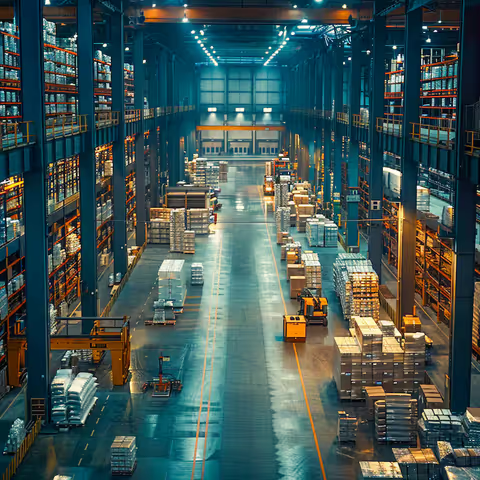
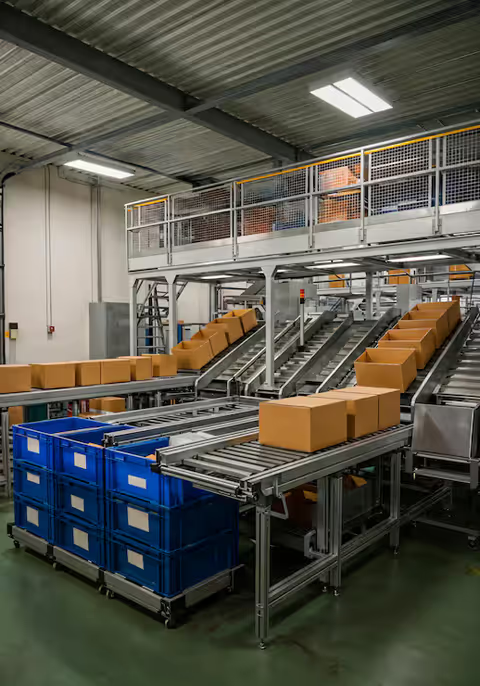
Warehouses and logistics centers benefit from efficient lighting, HVAC systems, automated storage equipment, and charging infrastructure for electric material handling equipment.
Each sector gains operational improvements through energy monitoring, equipment optimization, and smarter resource management.
The Role of Smart Technology in Industrial Energy Management
Digital transformation has changed how industries manage energy. Smart technology enables facilities to move from reactive maintenance to proactive energy optimization.
Industrial Internet of Things devices collect data from connected equipment throughout the facility. Smart meters measure electricity consumption at multiple points instead of only tracking total facility usage. This detailed information helps identify energy-intensive processes and unexpected consumption patterns.
Artificial intelligence analyzes historical energy data alongside production schedules. Machine learning models can predict future energy demand, identify anomalies, and recommend operational adjustments before inefficiencies become larger problems.
Cloud-based energy dashboards provide facility managers with centralized visibility into energy performance across multiple locations. Automated alerts notify maintenance teams when equipment consumes more energy than expected or shows signs of declining efficiency.
These technologies improve decision-making while supporting continuous energy improvement programs.
Benefits of Industrial Energy Solutions
Industrial energy solutions provide operational, environmental, and management benefits across industrial facilities.
Improved energy efficiency reduces unnecessary energy waste throughout production processes. Better equipment performance supports smoother operations and longer equipment lifespan through optimized energy usage.
Real-time monitoring improves visibility into energy consumption, allowing managers to identify trends and respond quickly to unexpected changes. Predictive maintenance reduces downtime by identifying equipment issues before failures occur.
Energy optimization also supports production planning by aligning energy demand with operational schedules. Facilities gain better control over peak demand periods and overall energy distribution.
Sustainability initiatives become easier to manage because energy systems provide measurable performance indicators related to consumption, emissions reduction efforts, and renewable energy integration.
Energy Efficiency Strategies for Industrial Facilities
Improving industrial energy efficiency involves continuous evaluation rather than one-time upgrades. Facilities often begin with an energy assessment to understand where energy is consumed across operations.
Efficient motors and drives reduce electricity consumption in equipment that operates continuously. Optimizing compressed air systems helps eliminate leaks and unnecessary pressure losses, which are common sources of industrial energy waste.
Heating, ventilation, and cooling systems can be optimized through automated controls and improved maintenance schedules. Process heating systems become more efficient through heat recovery technologies that reuse waste heat generated during production.
Lighting modernization improves visibility while reducing electricity consumption in production areas, warehouses, and administrative buildings.
Continuous monitoring ensures these improvements remain effective as operational requirements evolve.
Renewable Energy in Industrial Operations
Renewable energy has become an important part of industrial energy planning. Many facilities combine traditional electricity supply with renewable sources to diversify energy availability.
Solar power is commonly integrated into industrial rooftops and available land areas. Wind energy supports facilities located in suitable geographic regions. Biomass systems convert organic industrial waste into usable energy for certain manufacturing sectors.
Hybrid energy systems combine renewable generation with battery storage and conventional power sources. This approach improves reliability while helping facilities manage changing energy demand throughout the day.
Renewable integration also supports long-term sustainability planning by reducing dependence on a single energy source.
Challenges in Implementing Industrial Energy Solutions
Although industrial energy solutions provide many advantages, implementation requires careful planning and coordination.
Older industrial infrastructure may not support modern monitoring technologies without upgrades. Integrating new energy systems with existing equipment requires compatibility planning and phased implementation.
Large facilities often operate multiple production processes with different energy requirements, making centralized monitoring more complex. Accurate data collection also depends on reliable sensors, communication networks, and maintenance practices.
Workforce training plays an important role because operators and maintenance teams must understand new monitoring tools and automated control systems.
Successful implementation focuses on gradual improvement, continuous monitoring, and regular system evaluation.
Recent Trends in Industrial Energy Solutions
During the past year, industries have accelerated investment in digital energy management technologies and intelligent automation. More facilities are adopting AI-assisted energy monitoring platforms that provide predictive insights and automated optimization recommendations.
Microgrids have gained attention in industrial environments because they improve energy resilience by combining local energy generation, storage, and grid connectivity. Energy storage systems continue expanding as battery technologies improve operational flexibility.
Industrial electrification is also becoming more common as organizations replace certain fossil fuel-based processes with electrically powered alternatives where feasible.
Advanced analytics platforms now integrate production data with energy consumption, allowing facilities to optimize both manufacturing output and energy efficiency simultaneously.
Sustainability reporting tools have become increasingly integrated into industrial energy management systems, helping organizations measure energy performance using standardized operational metrics.
Best Practices for Managing Industrial Energy Efficiently
Effective industrial energy management depends on continuous improvement rather than isolated upgrades. Regular energy audits help identify changing consumption patterns as production evolves.
Establishing measurable energy performance indicators allows organizations to monitor improvements over time. Preventive maintenance ensures motors, pumps, compressors, and electrical systems continue operating efficiently.
Automation should be aligned with operational schedules so equipment operates only when needed. Data collected from monitoring systems should be reviewed regularly to identify anomalies and improvement opportunities.
Cross-functional collaboration between engineering, maintenance, production, and facility management teams creates a stronger energy management strategy because decisions consider both operational performance and energy efficiency.
A structured energy management plan encourages long-term operational stability and supports ongoing efficiency improvements.
The Future of Industrial Energy Solutions
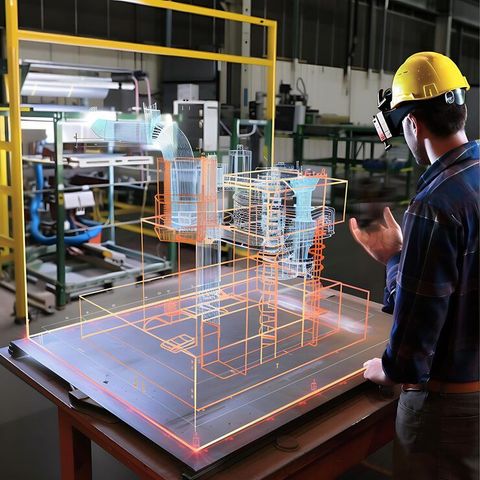
Industrial energy solutions are evolving toward intelligent, connected, and sustainable energy ecosystems. Future facilities are expected to rely more heavily on digital twins, AI-powered optimization, predictive analytics, and autonomous energy management systems.
Energy flexibility will become increasingly important as industries integrate renewable generation, battery storage, electric equipment, and smart grids into everyday operations. Connected infrastructure will enable facilities to respond dynamically to production changes while maintaining efficient energy usage.
Carbon monitoring technologies are expected to become more integrated into industrial energy platforms, providing better visibility into operational sustainability metrics. Advanced automation will continue improving equipment efficiency through real-time optimization and predictive maintenance.
As industries adopt smarter technologies and more efficient operational practices, industrial energy solutions will play an increasingly important role in improving productivity, supporting sustainability goals, and building resilient industrial infrastructure for the future.
Conclusion
Industrial energy solutions have become an essential part of modern industrial operations because they combine reliable power management with intelligent monitoring, automation, and efficiency improvements. Rather than focusing only on supplying energy, these systems help industries understand how energy is used across every stage of production and identify opportunities for continuous optimization.
As manufacturing technologies evolve and sustainability becomes a larger operational priority, connected energy systems provide greater visibility, better equipment performance, and more efficient resource utilization. Whether through smart monitoring, renewable energy integration, automation, or predictive analytics, industrial energy solutions support safer, more reliable, and more efficient industrial environments.
A long-term approach to energy management helps industries adapt to changing operational demands while improving productivity, reducing energy waste, and supporting responsible industrial growth.