Jump to a Chapter

Industrial Electrical Products Explained: Types, Uses, Benefits, and Latest Industry Trends

Industrial Electrical Products Explained: Types, Uses, Benefits, and Latest Industry Trends

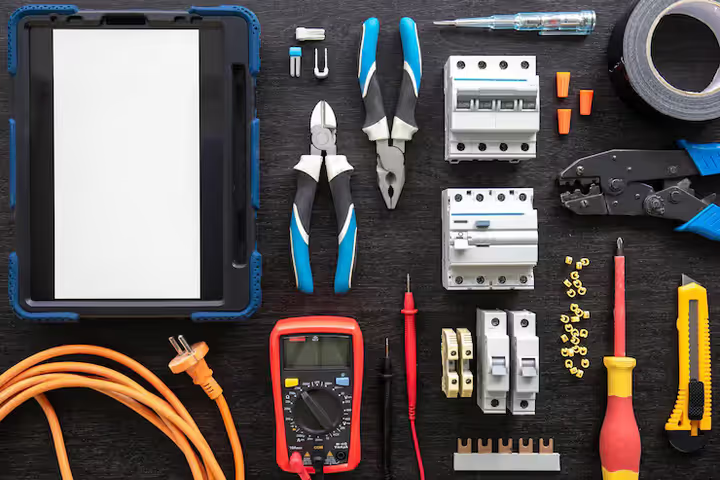
Industrial electrical products are the foundation of modern industries. They help power machines, control equipment, distribute electricity safely, and improve operational efficiency across factories, warehouses, commercial buildings, and infrastructure projects. Whether it is a manufacturing plant, food processing unit, textile factory, or renewable energy facility, industrial electrical products play a critical role in ensuring reliable electrical performance.

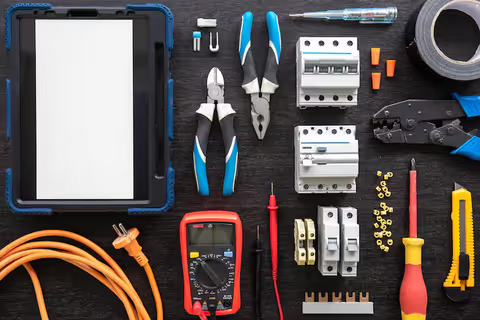
Whether you are a business owner, engineer, technician, student, or someone exploring industrial electrical systems, understanding these products helps you make informed decisions about safety, reliability, and performance.

This guide explains what industrial electrical products are, their different categories, where they are used, how they improve industrial operations, and what factors to consider when selecting them.

What Are Industrial Electrical Products?

Industrial electrical products are electrical components, devices, and equipment designed specifically for industrial environments. Unlike household electrical products, industrial products are built to handle higher voltages, larger electrical loads, continuous operation, and demanding environmental conditions.

These products are commonly used in factories, warehouses, power plants, construction sites, commercial buildings, water treatment facilities, transportation systems, and renewable energy installations.

Their primary purpose is to distribute electricity, protect electrical systems, control machinery, monitor performance, and improve operational safety.

Why Industrial Electrical Products Matter

Industrial operations depend on a stable and safe electrical infrastructure. Even a small electrical failure can interrupt production, damage equipment, or create safety risks.

Industrial electrical products help organizations:

  • Maintain uninterrupted power distribution.

  • Protect workers and equipment from electrical faults.

  • Improve energy efficiency.

  • Enable automation and process control.

  • Reduce maintenance downtime.

  • Support compliance with industrial safety standards.

As industries continue adopting automation, smart manufacturing, and renewable energy technologies, the demand for reliable electrical components continues to grow.

Main Types of Industrial Electrical Products

Industrial electrical systems include a wide range of products, each serving a specific function.

Circuit Protection Products

Circuit protection devices prevent electrical damage caused by overloads, short circuits, or fault currents.

Common products include:

  • Circuit breakers.

  • Miniature circuit breakers (MCBs).

  • Molded case circuit breakers (MCCBs).

  • Residual current devices.

  • Fuses.

  • Surge protection devices.

These components disconnect electrical circuits when unsafe conditions occur, helping protect machinery and electrical infrastructure.

Power Distribution Products

Power distribution equipment transfers electricity safely from the main supply to different machines and systems.

Examples include:

  • Distribution boards.

  • Panel boards.

  • Busbars.

  • Switchgear.

  • Power distribution units.

  • Transformers.

These products ensure balanced and reliable electrical distribution throughout industrial facilities.

Motor Control Equipment

Industrial motors power conveyors, pumps, compressors, fans, cranes, and manufacturing equipment.

Motor control products include:

  • Contactors.

  • Motor starters.

  • Overload relays.

  • Variable frequency drives (VFDs).

  • Soft starters.

  • Motor protection relays.

These devices improve motor performance while protecting motors from electrical and mechanical stress.

Industrial Automation Components

Automation products help machines perform tasks with minimal manual intervention.

Important automation products include:

  • Programmable Logic Controllers (PLCs).

  • Human Machine Interfaces (HMIs).

  • Industrial sensors.

  • Timers.

  • Counters.

  • Industrial relays.

  • Control modules.

These components enable automated manufacturing, monitoring, and process optimization.

Industrial Cables and Wiring Accessories

Reliable electrical connectivity depends on high-quality wiring components.

Products include:

  • Power cables.

  • Control cables.

  • Instrumentation cables.

  • Cable trays.

  • Cable glands.

  • Cable lugs.

  • Terminal blocks.

  • Connectors.

These products provide secure electrical connections in industrial installations.

Electrical Control Panels

Control panels organize multiple electrical components into one centralized system.

Typical panel components include:

  • Switches.

  • Indicators.

  • Push buttons.

  • Contactors.

  • PLC modules.

  • Protection devices.

  • Monitoring instruments.

Control panels simplify operation and maintenance across industrial systems.

Where Industrial Electrical Products Are Used

Industrial electrical products support nearly every major industry.

Industry

Common Applications

ManufacturingProduction lines, CNC machines, robotics, conveyors.
ConstructionTemporary power systems, heavy equipment, lighting.
Energy and UtilitiesPower generation, substations, renewable energy systems.
Oil and GasPumps, compressors, hazardous-area electrical systems.
Food and BeverageAutomated processing equipment and refrigeration systems.
Water TreatmentPumps, monitoring systems, electrical control panels.
Warehousing and LogisticsMaterial handling systems and automated storage equipment.

Key Features of High-Quality Industrial Electrical Products

Choosing suitable products involves more than selecting the correct voltage or size. Reliable industrial products typically offer several important characteristics.

Durability

Industrial environments may involve vibration, moisture, dust, chemicals, or extreme temperatures. Durable products are designed to perform consistently under challenging conditions.

Electrical Safety

Quality products include protection against overloads, insulation failure, grounding issues, and short circuits to improve workplace safety.

Energy Efficiency

Modern industrial components reduce unnecessary power consumption through improved electrical design and smarter control systems.

Compatibility

Industrial products should integrate easily with existing machinery, automation systems, and electrical infrastructure.

Compliance with Standards

Products are generally designed according to recognized electrical and safety standards, helping ensure safe installation and operation.

Benefits of Using Industrial Electrical Products

Using appropriate industrial electrical equipment provides operational and long-term advantages.

Improved Operational Reliability

Reliable components reduce unexpected electrical failures and equipment downtime.

Better Equipment Protection

Protection devices help prevent expensive machinery from being damaged during electrical faults.

Enhanced Workplace Safety

Proper electrical products minimize the risk of electrical shocks, overheating, and fire hazards.

Increased Productivity

Automation and motor control products help production systems operate consistently and efficiently.

Easier Maintenance

Standardized electrical components simplify troubleshooting, replacement, and preventive maintenance.

How to Choose the Right Industrial Electrical Products

Selecting industrial electrical equipment depends on technical, environmental, and operational requirements.

Understand Electrical Load Requirements

Consider:

  • Voltage.

  • Current rating.

  • Power capacity.

  • Frequency.

  • Phase configuration.

Products should match the electrical demands of the system they support.

Consider the Operating Environment

Industrial conditions vary significantly.

Evaluate factors such as:

  • Indoor or outdoor installation.

  • Temperature range.

  • Dust exposure.

  • Moisture or humidity.

  • Corrosive environments.

  • Hazardous locations.

Environmental suitability improves product lifespan and safety.

Match Product Specifications

Ensure compatibility with:

  • Existing electrical panels.

  • Motors.

  • Automation controllers.

  • Sensors.

  • Power distribution systems.

Prioritize Safety Certifications

Products designed according to recognized industrial standards typically provide better consistency and safer operation.

Think About Future Expansion

Choosing scalable electrical systems can simplify future upgrades, automation, or increased production capacity.

Industrial Electrical Products and Automation

Automation has transformed industrial electrical systems.

Today's factories increasingly use intelligent electrical products capable of monitoring performance, communicating with controllers, and collecting operational data.

Examples include:

  • Smart sensors.

  • Network-enabled PLCs.

  • Intelligent circuit breakers.

  • Digital energy meters.

  • Remote monitoring devices.

These technologies support predictive maintenance, energy management, and process optimization.

Energy Efficiency in Industrial Electrical Systems

Reducing energy consumption is an important goal for many industries.

Industrial electrical products contribute through:

  • Variable speed motor control.

  • Power factor correction equipment.

  • Energy monitoring devices.

  • Efficient transformers.

  • LED industrial lighting systems.

  • Smart power management systems.

Improved efficiency can reduce electrical losses while supporting sustainable industrial operations.

Safety Considerations for Industrial Electrical Equipment

Electrical safety is essential in industrial environments.

Important practices include:

Proper Installation

Electrical equipment should be installed according to applicable electrical codes and manufacturer specifications.

Regular Inspection

Routine inspections help identify:

  • Loose connections.

  • Damaged insulation.

  • Overheating.

  • Corrosion.

  • Wear and tear.

Preventive Maintenance

Scheduled maintenance reduces unexpected failures and extends equipment life.

Personal Protective Equipment

Workers handling industrial electrical systems should use appropriate safety equipment during installation and maintenance.

Lockout and Isolation Procedures

Proper isolation procedures reduce the risk of accidental energization during maintenance activities.

Common Challenges in Industrial Electrical Systems

Industrial electrical infrastructure can face several operational challenges.

Challenge

Possible Solution

Power fluctuationsVoltage regulation and surge protection devices.
Motor overloadOverload relays and motor protection systems.
Frequent downtimePreventive maintenance and monitoring equipment.
Electrical faultsCircuit breakers, protective relays, and fault detection systems.
High energy consumptionEnergy-efficient drives and monitoring systems.

Addressing these challenges improves operational continuity and equipment reliability.

Trends in Industrial Electrical Products in 2026

Industrial electrical technology continues to evolve alongside Industry 4.0 and smart manufacturing.

Current trends include:

Smart Electrical Monitoring

Digital monitoring systems provide real-time information about voltage, current, energy usage, and equipment health.

Industrial Internet of Things (IIoT)

Connected electrical devices communicate with centralized monitoring platforms for improved visibility and maintenance planning.

Predictive Maintenance

Sensors and intelligent controllers identify potential failures before they become major problems.

Renewable Energy Integration

Industrial facilities increasingly integrate solar, wind, and energy storage systems into electrical infrastructure.

Compact and Modular Designs

Modern electrical products are becoming more space-efficient while allowing easier upgrades and maintenance.

Best Practices for Maintaining Industrial Electrical Products

Regular maintenance improves safety and extends equipment life.

Recommended practices include:

  • Inspect electrical panels periodically.

  • Clean dust and debris from equipment.

  • Tighten electrical connections when appropriate.

  • Monitor operating temperatures.

  • Test protective devices regularly.

  • Replace worn or damaged components promptly.

  • Maintain accurate maintenance records.

Preventive maintenance helps reduce unexpected interruptions and supports long-term reliability.

Frequently Asked Questions About Industrial Electrical Products

What are industrial electrical products used for?

They are used to distribute electrical power, protect circuits, control machinery, automate industrial processes, and improve workplace safety across industrial facilities.

What is the difference between industrial and residential electrical products?

Industrial electrical products are designed for higher power loads, continuous operation, larger equipment, and more demanding environmental conditions than residential electrical products.

Why are circuit breakers important in industrial systems?

Circuit breakers automatically disconnect electrical circuits during overloads or faults, helping protect equipment and reduce electrical hazards.

What are PLCs in industrial automation?

Programmable Logic Controllers are industrial computers that control machines, production lines, and automated processes through programmed logic.

How do industrial electrical products improve energy efficiency?

Products such as variable frequency drives, energy meters, smart controllers, and efficient transformers help reduce unnecessary power consumption and optimize electrical performance.

Conclusion

Industrial electrical products are essential components of modern industrial infrastructure. They enable safe power distribution, equipment protection, automation, motor control, and efficient energy management across manufacturing plants, commercial facilities, utilities, and infrastructure projects.

Understanding the different types of industrial electrical products and their applications helps businesses, technicians, and engineers build reliable electrical systems that support productivity and safety. As industrial technology continues advancing through automation, smart monitoring, and energy-efficient solutions, selecting suitable electrical products becomes increasingly important for long-term operational performance and sustainable industrial growth.

author-image

Zephyra

I am a creative and detail-oriented Content Writer passionate about producing clear, engaging, and informative content for digital audiences.

September 16, 2026 . 9 min read