Industrial Cooling Equipment: Types, Benefits, Applications, and How to Choose the Right System
Industrial cooling equipment plays a critical role in keeping factories, manufacturing plants, warehouses, and processing facilities operating safely and efficiently. Many industrial processes generate large amounts of heat, and without proper cooling systems, equipment performance can decline, energy consumption can increase, and production quality may be affected.
Modern industries rely on different cooling systems to regulate temperatures, protect sensitive machinery, and maintain consistent production quality. Whether cooling production equipment, electrical systems, industrial fluids, or large buildings, choosing the right cooling equipment helps improve operational efficiency and reliability.
This guide explains what industrial cooling equipment is, how it works, the major types available, common applications, benefits, maintenance practices, and important factors to consider before selecting a cooling solution.
What Is Industrial Cooling Equipment?
Industrial cooling equipment refers to machines and systems designed to remove excess heat from industrial processes, machinery, equipment, or facilities. These systems transfer unwanted heat away from equipment using air, water, refrigerants, or other cooling methods.
Unlike residential air conditioning, industrial cooling systems are built for continuous operation under demanding conditions. They often handle large heat loads, operate in harsh environments, and support critical manufacturing or processing operations.
The primary goal is maintaining stable operating temperatures so equipment functions efficiently and safely.
Why Industrial Cooling Equipment Is Important
Heat is one of the most common causes of equipment wear, reduced efficiency, and unexpected downtime. Industrial cooling systems help solve these challenges by maintaining optimal operating conditions.
Key reasons industries use cooling equipment include:
Preventing machinery overheating.
Improving production consistency.
Protecting electronic components and electrical systems.
Reducing equipment downtime.
Increasing energy efficiency.
Extending equipment lifespan.
Supporting workplace safety and environmental control.
Industries that operate continuously often depend on reliable cooling systems to maintain uninterrupted production schedules.
How Industrial Cooling Equipment Works
Industrial cooling equipment removes heat from one location and releases it into another medium, such as air or water.
The general cooling process includes four steps:
Heat is absorbed from machinery, equipment, or process fluids.
The cooling medium carries heat away.
Heat is transferred through a heat exchanger or cooling system.
The cooled fluid or air returns to repeat the cycle.
Depending on the application, cooling systems may use water circulation, refrigeration cycles, evaporative cooling, or forced air cooling.
Main Types of Industrial Cooling Equipment
Different industries require different cooling technologies based on operating conditions, heat load, available space, and environmental factors.
1. Industrial Chillers
Industrial chillers cool liquids that circulate through machinery or industrial processes.
They are widely used in manufacturing, plastic molding, chemical processing, food production, pharmaceutical facilities, and printing operations.
Common features include:
Precise temperature control.
Continuous cooling capability.
Water-cooled and air-cooled designs.
Suitable for medium and large industrial operations.
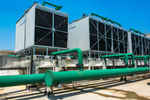
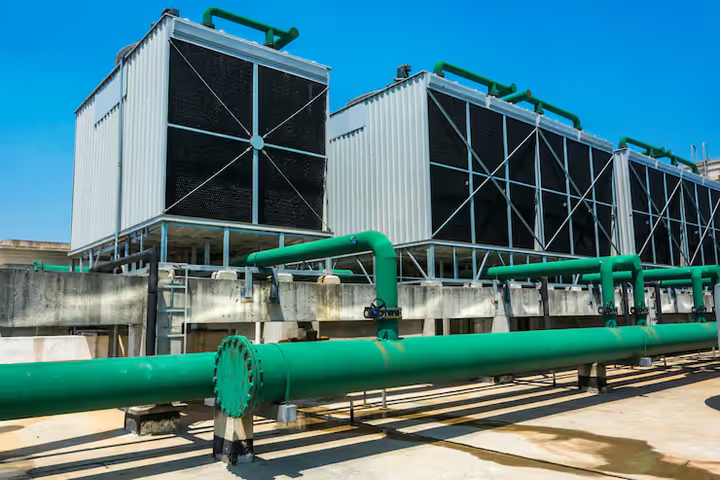
2. Cooling Towers
Cooling towers remove heat from water through evaporation before recirculating it back into industrial systems.
They are commonly found in:
Power plants.
HVAC systems.
Chemical industries.
Refineries.
Large manufacturing facilities.
Cooling towers are effective for applications requiring continuous heat rejection from circulating water systems.
3. Heat Exchangers
Heat exchangers transfer heat between two fluids without allowing them to mix.
Common types include:
Plate heat exchangers.
Shell-and-tube heat exchangers.
Air-cooled heat exchangers.
Brazed plate heat exchangers.
These systems improve energy efficiency while supporting various industrial cooling processes.
4. Air Cooling Systems
Air cooling systems use fans and airflow to remove heat directly from equipment or production environments.
Applications include:
Electrical panels.
Industrial electronics.
Compressors.
Generators.
Control rooms.
They are often simpler to install where water cooling is impractical.
5. Evaporative Cooling Systems
Evaporative cooling lowers temperature by allowing water to evaporate into airflow.
Industries use evaporative cooling for:
Warehouses.
Industrial workshops.
Manufacturing plants.
Agricultural processing facilities.
These systems can provide efficient cooling in suitable climates while reducing energy demand.
Air-Cooled vs Water-Cooled Industrial Cooling Systems
Choosing between air-cooled and water-cooled equipment depends on operational requirements.
Air-Cooled Systems | Water-Cooled Systems |
| Use ambient air for heat removal. | Use circulating water for heat transfer. |
| Simpler installation. | Higher cooling efficiency for large loads. |
| Lower water usage. | Require water treatment and circulation. |
| Suitable for smaller or medium facilities. | Common in large industrial plants. |
| Easier maintenance in some environments. | Often better for continuous heavy-duty operation. |
The right choice depends on cooling capacity, environmental conditions, water availability, and operational goals.
Industries That Use Industrial Cooling Equipment
Industrial cooling equipment supports a wide range of industries worldwide.
Manufacturing
Manufacturing facilities cool machinery, molds, welding equipment, CNC machines, hydraulic systems, and production lines.
Food and Beverage Processing
Cooling helps maintain food quality, regulate production temperatures, preserve ingredients, and support refrigeration processes.
Pharmaceutical Industry
Temperature-sensitive manufacturing processes require accurate cooling for production equipment, laboratories, and storage environments.
Chemical Processing
Chemical plants rely on cooling systems to control reaction temperatures and protect equipment from overheating.
Power Generation
Power plants use cooling towers, condensers, and heat exchangers to remove excess heat generated during electricity production.
Data Centers
Servers produce continuous heat, making cooling systems essential for protecting IT infrastructure and maintaining performance.
Plastics and Rubber Manufacturing
Industrial chillers cool injection molding machines, extrusion systems, and molds to improve production quality.
Benefits of Industrial Cooling Equipment
Reliable cooling systems provide operational, environmental, and financial benefits across industrial environments.
Improved Equipment Reliability
Maintaining proper temperatures reduces thermal stress on equipment and minimizes unexpected failures.
Better Production Quality
Stable cooling supports consistent manufacturing conditions, reducing product defects caused by overheating.
Increased Energy Efficiency
Modern cooling systems optimize heat transfer and reduce unnecessary energy consumption during industrial operations.
Longer Equipment Lifespan
Reducing excessive heat helps protect motors, compressors, pumps, electronic components, and mechanical systems from premature wear.
Reduced Downtime
Cooling systems help prevent emergency shutdowns caused by overheating, improving production continuity.
Enhanced Workplace Safety
Managing heat improves working conditions and helps prevent equipment-related safety hazards.
Key Components of an Industrial Cooling System
Most industrial cooling systems include several interconnected components working together.
Compressors
Compressors circulate refrigerants or cooling media within refrigeration-based cooling systems.
Pumps
Pumps move cooling water or coolant throughout the system.
Heat Exchangers
Heat exchangers transfer heat from industrial equipment into the cooling medium.
Cooling Fans
Fans improve airflow and remove heat from condensers or air-cooled systems.
Cooling Towers
Cooling towers release unwanted heat from circulating water systems into the atmosphere.
Control Systems
Sensors and automated controllers monitor temperature, pressure, flow rate, and overall system performance.
Factors to Consider When Choosing Industrial Cooling Equipment
Selecting the right industrial cooling equipment requires evaluating operational needs rather than choosing the largest system available.
Cooling Capacity
Determine the amount of heat the equipment must remove during normal and peak operations.
Industry Requirements
Different industries require different temperature ranges, cooling precision, and operating conditions.
Environmental Conditions
Outdoor temperature, humidity, water availability, and facility layout affect cooling system performance.
Energy Efficiency
Energy-efficient cooling systems can reduce operating costs while maintaining required cooling performance.
Space Availability
Available installation space influences whether air-cooled, water-cooled, or modular systems are appropriate.
Maintenance Requirements
Choose equipment that aligns with available maintenance resources and operational schedules.
Scalability
Facilities expecting future expansion may benefit from systems that allow additional cooling capacity over time.
Industrial Cooling Equipment Maintenance Best Practices
Regular maintenance improves performance and helps prevent costly failures.
Inspect Cooling Components Regularly
Check pumps, compressors, fans, valves, pipes, and electrical connections for signs of wear or leakage.
Clean Heat Exchangers
Dirt, dust, mineral buildup, and debris reduce heat transfer efficiency if not cleaned periodically.
Monitor Coolant Quality
Maintain proper coolant levels and ensure cooling fluids remain free from contamination.
Check Air Filters and Fans
Clean filters and inspect fan blades to maintain proper airflow in air-cooled systems.
Monitor Water Treatment
Water-cooled systems often require water quality management to reduce corrosion, scaling, and biological growth.
Verify Temperature Sensors
Accurate sensors ensure cooling systems maintain proper operating temperatures and respond correctly to changing conditions.
Common Challenges in Industrial Cooling Systems
Even well-designed systems may experience operational challenges.
Overheating
Causes may include blocked airflow, insufficient coolant flow, dirty heat exchangers, or undersized cooling equipment.
Scaling and Corrosion
Mineral deposits inside cooling systems reduce efficiency and increase maintenance requirements.
Refrigerant Issues
Leaks or improper refrigerant levels can reduce cooling performance in refrigeration-based systems.
Pump or Fan Failure
Mechanical failures may interrupt coolant circulation or airflow, increasing equipment temperatures.
Energy Inefficiency
Poor maintenance or outdated equipment can increase power consumption while reducing cooling effectiveness.
Early detection and preventive maintenance help minimize these issues.
Energy Efficiency Trends in Industrial Cooling Equipment
Industrial cooling technology continues evolving toward greater efficiency and sustainability.
Smart Monitoring Systems
Digital monitoring provides real-time performance data, helping operators detect issues before equipment fails.
Variable Speed Drives
Variable speed motors adjust cooling output based on demand, reducing unnecessary energy use.
High-Efficiency Heat Exchangers
Improved heat exchanger designs transfer heat more effectively while reducing operating costs.
Water Conservation Technologies
Modern cooling systems increasingly include water-saving features and improved circulation management.
Integrated Automation
Automated controls optimize cooling performance across changing production conditions and environmental temperatures.
These advancements help industries balance productivity with energy management goals.
How Industrial Cooling Equipment Supports Sustainable Operations
Efficient cooling systems contribute to broader sustainability initiatives in industrial facilities.
Reduced Energy Consumption
Efficient equipment uses less electricity while maintaining required cooling capacity.
Better Resource Utilization
Optimized water circulation and heat recovery reduce waste in cooling processes.
Lower Equipment Waste
Longer equipment life reduces replacement frequency and associated resource consumption.
Improved Process Efficiency
Stable operating temperatures help reduce production losses and improve manufacturing consistency.
Sustainable cooling practices are becoming increasingly important as industries focus on operational efficiency and environmental responsibility.
Frequently Asked Questions About Industrial Cooling Equipment
What is industrial cooling equipment used for?
Industrial cooling equipment removes excess heat from machinery, industrial processes, electrical systems, buildings, or circulating fluids to maintain safe operating temperatures.
What is the difference between a cooling tower and an industrial chiller?
A cooling tower removes heat from circulating water through evaporation, while an industrial chiller actively cools liquids using refrigeration or other cooling technologies.
Which industries need industrial cooling systems?
Manufacturing, pharmaceuticals, food processing, chemicals, power generation, plastics, electronics, automotive production, and data centers commonly use industrial cooling equipment.
How often should industrial cooling equipment be maintained?
Maintenance schedules vary by equipment type and operating conditions, but regular inspections, cleaning, monitoring, and preventive servicing help maintain reliable performance.
Are industrial cooling systems energy efficient?
Modern industrial cooling systems are designed to improve energy efficiency through smart controls, efficient heat exchangers, variable speed motors, and optimized cooling capacity.
Conclusion
Industrial cooling equipment is an essential part of modern industrial infrastructure. From manufacturing plants and chemical facilities to food processing operations and data centers, effective cooling systems help maintain safe temperatures, improve equipment reliability, and support consistent production quality.
Understanding the different types of industrial cooling equipment, including chillers, cooling towers, heat exchangers, air cooling systems, and evaporative cooling solutions, helps businesses choose systems that match their operational requirements. Regular maintenance, energy-efficient technologies, and proper system design further improve performance while reducing downtime and extending equipment life.
As industries continue adopting automation and energy-efficient technologies, industrial cooling systems will remain a critical component of safe, reliable, and sustainable industrial operations.