How to Master Marine Cargo Logistics: A Complete Guide
Learn essential strategies for managing marine cargo logistics efficiently. Explore best practices, key benefits, and insights into modern shipping operations and supply chain management.
Marine cargo logistics represents one of the most vital components of global commerce, facilitating the movement of goods across oceans and connecting markets worldwide. With approximately 90% of global trade transported by sea, understanding marine cargo logistics is essential for businesses involved in international shipping and supply chain management. This guide explores the key concepts, operational strategies, and best practices that define modern maritime logistics.
Understanding Marine Cargo Logistics
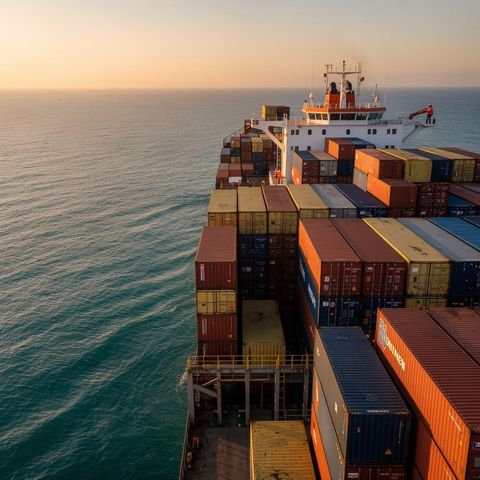
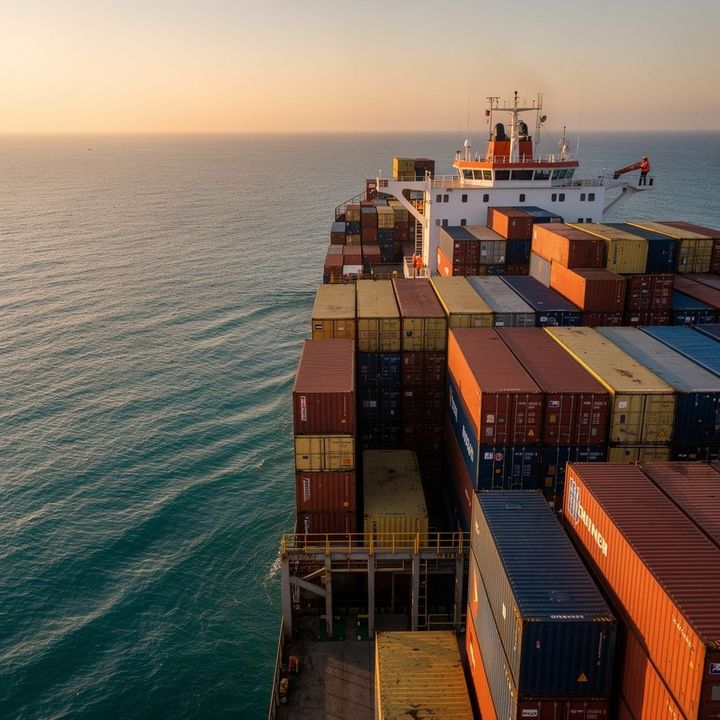
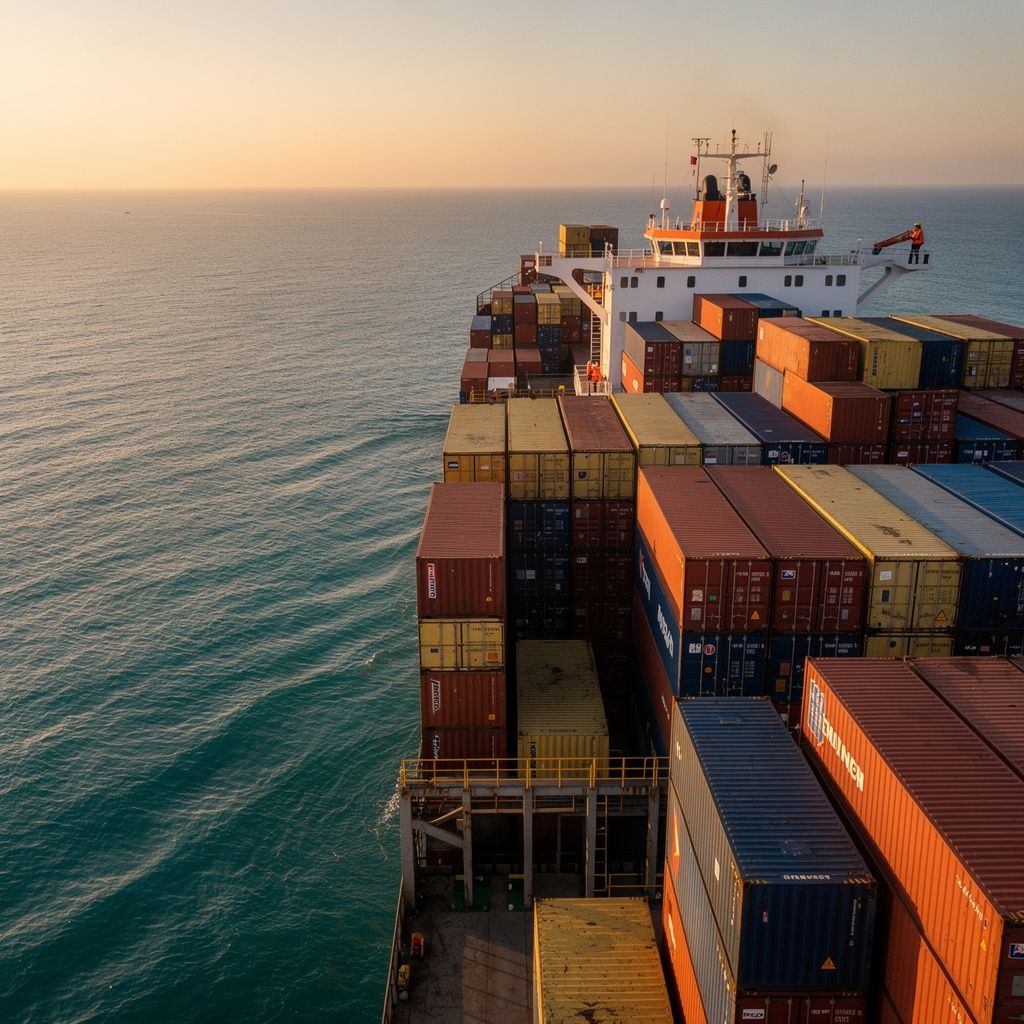
Marine cargo logistics encompasses the complete process of planning, executing, and managing the movement of goods via ocean vessels. This includes vessel selection, route optimization, port coordination, cargo handling, documentation, and regulatory compliance. The industry involves multiple stakeholders including shipping lines, freight forwarders, customs brokers, port authorities, and cargo handlers working in coordination to ensure smooth operations.
The foundation of marine cargo logistics relies on containerization, a system that standardizes cargo packaging into uniform containers. This innovation revolutionized maritime shipping by reducing handling time, minimizing damage, and improving efficiency. Container sizes follow international standards, with Twenty-foot Equivalent Units (TEU) and Forty-foot Equivalent Units (FEU) being the most common measurements in the industry.
Benefits and Limitations of Marine Cargo Logistics
Marine cargo logistics offers significant advantages for businesses engaged in international trade. Cost-effectiveness represents one of the primary benefits, as ocean shipping provides lower per-unit transportation costs compared to air freight or land transport for large volumes. The capacity of modern cargo vessels allows businesses to transport massive quantities of goods in single shipments, achieving economies of scale.
Environmental efficiency is another notable advantage, as maritime transport produces lower carbon emissions per ton of cargo compared to alternative transportation methods. This makes marine logistics an environmentally responsible choice for businesses seeking to reduce their carbon footprint.
However, marine cargo logistics does present certain limitations. Transit times are longer than air freight, making it unsuitable for time-sensitive shipments. Weather conditions, port congestion, and mechanical issues can cause delays. Additionally, the complexity of international regulations, customs procedures, and documentation requirements demands expertise and careful planning.
Types of Marine Cargo and Vessels
Different cargo types require specialized handling and vessel configurations. Understanding these distinctions is crucial for effective logistics planning.
General Cargo
General cargo includes packaged goods, machinery, and manufactured products that can be loaded into containers or stored in traditional cargo holds. These shipments are typically handled by multipurpose vessels or container ships.
Bulk Cargo
Bulk cargo consists of unpackaged commodities such as grains, coal, minerals, and ores transported in large quantities. Bulk carriers are specifically designed with large holds to accommodate these materials efficiently.
Liquid Cargo
Liquid cargo includes crude oil, refined petroleum products, chemicals, and other liquid commodities transported in specialized tanker vessels. These ships feature sophisticated systems for loading, storing, and discharging liquid products safely.
Specialized Cargo
Specialized cargo encompasses oversized equipment, heavy machinery, vehicles, and other items requiring custom handling solutions. Project cargo vessels and heavy-lift ships are employed for these unique shipments.
Current Trends in Marine Cargo Logistics
The marine logistics industry continues to evolve with technological advancements and changing market demands. Digital transformation is reshaping how companies manage cargo operations, with cloud-based platforms enabling real-time visibility across supply chains. Blockchain technology is gaining adoption for documentation and verification purposes, reducing paperwork and enhancing transparency.
Sustainability initiatives are driving industry changes, with shipping companies investing in more fuel-efficient vessels and alternative energy sources. Port automation is increasing efficiency through automated cranes, container handling equipment, and digital gate systems.
Supply chain resilience has become a priority following global disruptions, leading companies to diversify routes, develop contingency plans, and invest in better risk management systems. The integration of artificial intelligence and predictive analytics helps optimize vessel scheduling, route planning, and resource allocation.
Key Features of Modern Marine Logistics Operations
Contemporary marine cargo logistics incorporates several essential features that ensure reliable and efficient operations:
- Real-time Tracking: GPS and IoT technologies provide continuous visibility of cargo location and condition throughout transit
- Digital Documentation: Electronic bills of lading and digital manifests streamline paperwork and reduce processing time
- Port Coordination: Advanced planning systems optimize berth allocation, cargo handling sequences, and vessel scheduling
- Customs Integration: Pre-clearance procedures and automated customs systems accelerate border crossing processes
- Quality Monitoring: Temperature and humidity sensors protect sensitive cargo during transportation
- Risk Management: Insurance coverage, contingency planning, and safety protocols protect against losses
Comparison of Shipping Service Types
| Service Type | Transit Time | Cost Level | Best For |
|---|---|---|---|
| Full Container Load (FCL) | 15-30 days | Lower per unit | Large shipments, bulk goods |
| Less Than Container Load (LCL) | 20-35 days | Higher per unit | Smaller shipments, mixed cargo |
| Breakbulk | 18-32 days | Moderate | Oversized items, special cargo |
| Roll-on/Roll-off (RoRo) | 14-28 days | Moderate | Vehicles, mobile equipment |
Major Players in Marine Cargo Logistics
The marine logistics industry includes numerous companies providing shipping services at different scales. Global shipping lines operate large container vessel fleets connecting major ports worldwide. Regional carriers serve specific trade lanes with specialized services. Freight forwarders consolidate shipments and manage documentation for businesses. Port operators maintain terminal facilities and cargo handling infrastructure. These organizations work together to create an interconnected logistics network supporting international commerce.
Selecting the Right Marine Logistics Provider
Choosing an appropriate marine logistics partner requires careful evaluation of several factors. Consider the provider's network coverage and port connections relevant to your trade routes. Assess their vessel capacity and frequency of service to match your shipping volume and timeline requirements.
Evaluate their technology platforms for tracking, documentation, and communication capabilities. Review their safety record, regulatory compliance, and insurance coverage. Compare pricing structures and service terms. Request references from existing clients to verify service quality and reliability. Understanding your specific cargo requirements, volume commitments, and geographic needs will guide your selection process.
Best Practices for Marine Cargo Logistics
Implementing effective practices enhances the efficiency and reliability of marine cargo operations:
- Plan shipments well in advance to secure vessel capacity and competitive rates
- Prepare accurate documentation to prevent customs delays and compliance issues
- Use appropriate packaging and securing methods to protect cargo during transit
- Maintain clear communication with all logistics partners throughout the shipping process
- Monitor cargo condition and location using available tracking systems
- Keep contingency plans for potential disruptions or delays
- Review shipping performance metrics to identify improvement opportunities
- Stay informed about regulatory changes affecting maritime commerce
Frequently Asked Questions
What is the difference between FCL and LCL shipping?
Full Container Load (FCL) shipping means you rent an entire container for your exclusive use, while Less Than Container Load (LCL) involves sharing container space with other shippers. FCL offers lower per-unit costs for large shipments, while LCL suits smaller quantities but costs more per unit.
How long does marine cargo typically take to arrive?
Transit times vary by route and service type, typically ranging from 14 to 35 days depending on distance, number of port calls, and service speed. Direct routes are faster, while routes with multiple stops take longer.
What documents are required for marine cargo shipments?
Essential documents include the bill of lading, commercial invoice, packing list, certificate of origin, and any required certifications or permits. Customs documentation varies by destination country and cargo type.
How is cargo insured during marine transport?
Marine cargo insurance protects against loss or damage during transit. Coverage can be arranged through insurance brokers or provided by shipping companies. Different policies cover various risk levels and cargo types.
What factors affect marine shipping costs?
Shipping costs depend on cargo volume and weight, distance traveled, fuel prices, port fees, seasonal demand, vessel availability, and any special handling requirements. Market conditions and route congestion also influence pricing.
How do ports handle cargo operations?
Ports use specialized equipment including cranes and container handling vehicles to load and unload cargo. Operations are coordinated through port management systems that optimize berth allocation, equipment scheduling, and cargo flow.
Essential Marine Cargo Logistics Checklist
Before shipping cargo via marine transport, ensure you have completed these important steps:
- Determine appropriate shipping service type (FCL, LCL, breakbulk, etc.)
- Obtain accurate weight and dimension measurements for cargo
- Prepare all required documentation and certifications
- Arrange appropriate insurance coverage
- Confirm port facilities can accommodate your cargo type
- Coordinate pickup and delivery logistics at origin and destination
- Verify customs requirements for destination country
- Establish clear communication with logistics provider
- Plan contingency arrangements for potential delays
- Monitor shipment status throughout transit
Conclusion
Marine cargo logistics remains the backbone of global trade, offering cost-effective and reliable transportation for goods across oceans worldwide. Understanding the fundamentals of maritime shipping, vessel types, cargo classifications, and operational procedures enables businesses to make informed decisions about their supply chain strategies. By selecting appropriate logistics partners, implementing best practices, and staying informed about industry trends, companies can optimize their marine shipping operations and maintain competitive advantages in international markets. The continued evolution of marine logistics through technology adoption, sustainability initiatives, and operational improvements ensures this vital industry will continue supporting global commerce for decades to come.