How to Choose Electric Vehicle Charging Stations: Complete Guide
Learn about electric vehicle charging stations, their types, benefits, and how to select the right solution for your needs. Explore essential features and best practices.
Electric vehicle charging stations have become a critical component of the modern transportation infrastructure, enabling millions of EV owners to conveniently power their vehicles. As the automotive industry continues its shift toward electrification, understanding the different charging options available is essential for making informed decisions about your EV charging needs. Whether you're installing a home charging solution, evaluating workplace charging options, or planning a road trip, this guide provides comprehensive insights into the world of EV charging stations.
Understanding Electric Vehicle Charging Stations
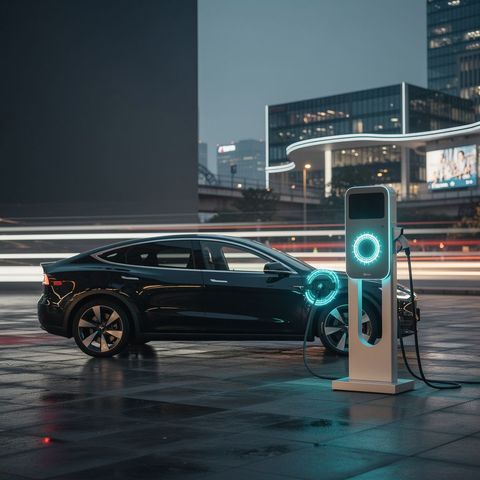
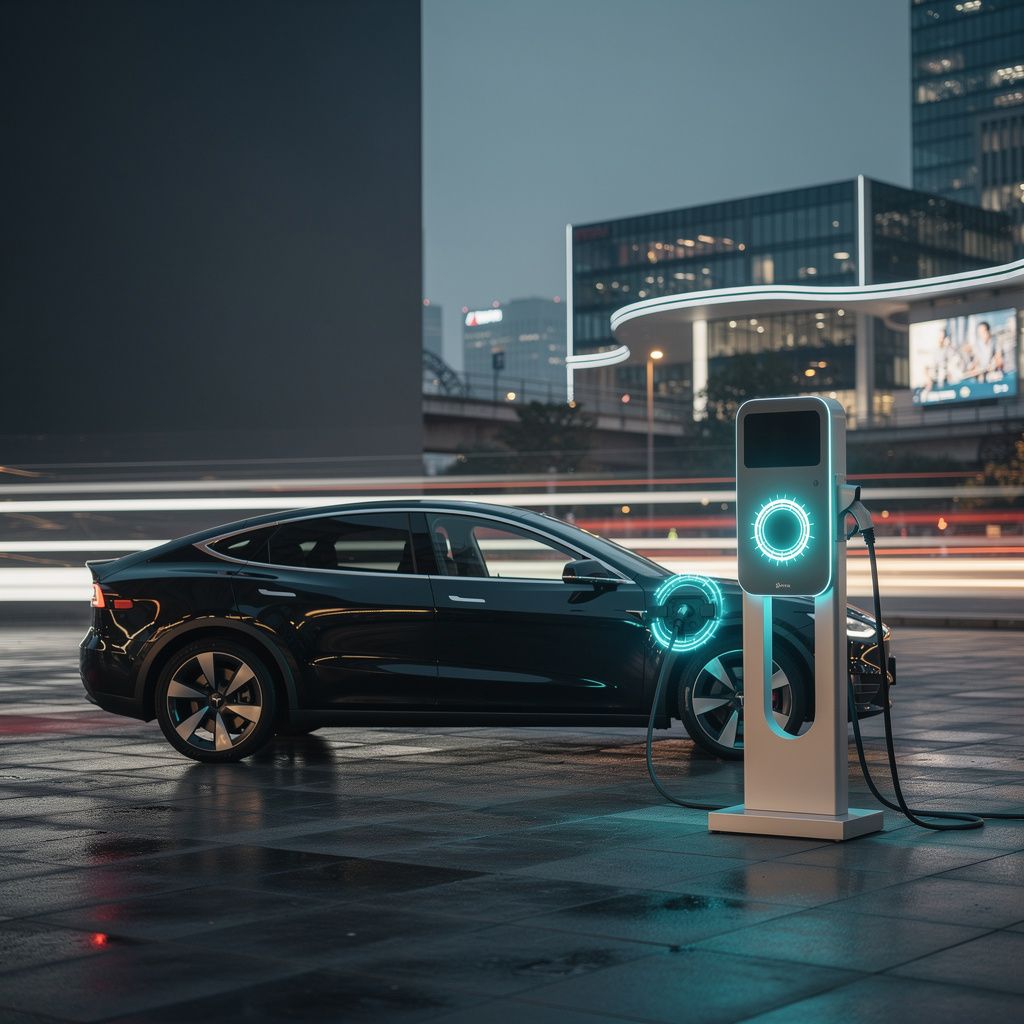
Electric vehicle charging stations, also known as EV chargers or electric supply equipment (EVSE), are devices that deliver electrical energy to rechargeable batteries in electric vehicles. These stations vary significantly in their charging speed, installation requirements, and applications. The charging process works by converting alternating current (AC) from the electrical grid into the direct current (DC) that most EV batteries require, or in some cases, delivering AC power directly to the vehicle's onboard charger.
The charging infrastructure landscape has evolved dramatically over the past decade, with technological advancements making charging faster, more accessible, and more reliable. Understanding the different charging levels and their characteristics is the first step toward optimizing your EV charging strategy.
Benefits and Limitations of EV Charging Stations
EV charging stations offer numerous advantages that make electric vehicle ownership practical and convenient. The primary benefit is enabling zero-emission transportation, reducing your carbon footprint and contributing to cleaner air quality. Home charging stations provide unmatched convenience, allowing you to start each day with a fully charged vehicle without visiting a fuel station.
From a cost perspective, charging an EV is typically significantly less expensive than purchasing gasoline or diesel fuel. Public charging networks continue to expand, making long-distance travel increasingly feasible. Additionally, many charging stations offer smart features that optimize charging times based on electricity rates and grid demand.
However, limitations exist. Installation of home charging infrastructure requires upfront investment and electrical upgrades. Public charging availability varies by region, with rural areas having fewer options. Charging times, even at fast-charging stations, exceed traditional fuel-up periods. Cold weather can reduce charging efficiency and battery capacity. Additionally, the electrical grid's capacity in certain areas may require upgrades to support widespread charging infrastructure.
Types of Electric Vehicle Charging Stations
Understanding the different charging levels helps you select the most appropriate option for your situation:
Level 1 Charging
Level 1 charging uses a standard 120-volt household outlet and is the slowest charging method, delivering approximately 2-5 miles of range per hour. This option requires no special installation and is available in virtually every home. Level 1 is practical for plug-in hybrid electric vehicles (PHEVs) or for EV owners with minimal daily driving needs. However, it's impractical for daily use in fully electric vehicles due to extremely long charging times.
Level 2 Charging
Level 2 chargers operate on 240-volt circuits, similar to electric dryer or water heater connections. They deliver 10-30 miles of range per hour, depending on the charger's kilowatt rating and the vehicle's onboard charger capacity. Level 2 stations are the most common type for home installations and are increasingly available at workplaces, shopping centers, and public parking facilities. Installation typically requires professional electrical work to establish a dedicated 240-volt circuit.
DC Fast Charging
Direct current (DC) fast chargers deliver power directly to the vehicle's battery, bypassing the onboard charger. These stations provide 100-350 miles of range in 20-45 minutes, depending on the charger's power output and the vehicle's battery capacity. DC fast chargers are essential for long-distance travel and are strategically located along major highways and in urban areas. However, they are significantly more expensive to install and operate than Level 2 stations.
Charging Station Features and Technology
Modern EV charging stations incorporate numerous features that enhance usability and efficiency:
- Smart Connectivity: WiFi and cellular-enabled chargers allow remote monitoring, scheduling, and payment processing through mobile applications.
- Load Management: Advanced chargers can optimize charging during off-peak hours when electricity rates are lower and grid demand is minimal.
- Safety Features: Built-in ground fault protection, overcurrent protection, and temperature monitoring ensure safe operation.
- Multiple Connector Types: Stations support various standards including Tesla Connector, CCS (Combined Charging System), CHAdeMO, and NACS (North American Charging Standard).
- Energy Monitoring: Real-time data on energy consumption helps track charging costs and environmental impact.
- Renewable Integration: Some charging stations integrate with solar panels or battery storage systems for sustainable charging.
Current Trends in EV Charging Infrastructure
The EV charging landscape is experiencing rapid evolution. Ultra-fast 350+ kilowatt chargers are becoming more common, reducing charging times to under 15 minutes for compatible vehicles. Wireless charging technology is advancing, with some manufacturers testing in-road charging systems. Vehicle-to-grid (V2G) technology enables EVs to return stored energy to the electrical grid, creating a more dynamic and resilient energy system.
Standardization efforts are consolidating connector types, with the NACS becoming increasingly adopted across North America. Charging networks are expanding into underserved areas, and workplace charging is becoming more prevalent as employers recognize it as an employee benefit. Additionally, integration with renewable energy sources and battery storage systems is creating more sustainable charging solutions.
Comparison of Charging Station Types
| Charging Type | Voltage | Range per Hour | Installation Cost | Best Use Case |
|---|---|---|---|---|
| Level 1 | 120V | 2-5 miles | $0-500 | PHEV, minimal daily driving |
| Level 2 | 240V | 10-30 miles | $500-2,500 | Home, workplace, public charging |
| DC Fast Charging | 480V+ | 100-350 miles | $10,000-40,000 | Long-distance travel, commercial use |
Major EV Charging Networks and Providers
Several organizations operate extensive charging networks. Tesla's Supercharger network provides proprietary DC fast charging exclusively for Tesla vehicles, though recent developments have opened some locations to other brands. Electrify America operates a nationwide network of DC fast chargers. EVgo provides both DC fast charging and Level 2 stations. ChargePoint offers the largest network of independently owned charging stations. Other notable providers include Volta, Blink, and various utility companies operating charging networks in their service territories.
Selecting the Right Charging Station for Your Needs
Choosing appropriate charging infrastructure requires evaluating several factors. Assess your daily driving patterns and determine how much range you need to charge overnight. Consider your home's electrical capacity and whether upgrades are necessary. Evaluate available space for installation, whether in a garage, driveway, or parking area. Research local incentives and rebates that may offset installation costs. If you drive long distances frequently, prioritize access to DC fast-charging networks. For workplace or public installations, consider the expected usage patterns and available electrical infrastructure.
Essential Tips for EV Charging Station Use and Maintenance
- Regular Inspection: Periodically inspect charging cables and connectors for damage or wear, addressing issues promptly to ensure safety.
- Weather Protection: Ensure outdoor charging stations have appropriate weatherproofing and that cables are properly stored to prevent damage.
- Optimal Charging Practices: Avoid consistently charging to 100 percent, as this can reduce battery longevity; instead, aim for 80 percent for daily use.
- Off-Peak Charging: When possible, charge during off-peak hours to reduce electricity costs and minimize grid strain.
- Software Updates: Keep smart chargers updated with the latest firmware to maintain security and access new features.
- Professional Installation: Hire qualified electricians for home charging installation to ensure code compliance and safety.
Frequently Asked Questions About EV Charging Stations
How long does it take to fully charge an electric vehicle?
Charging time varies significantly based on the charging level and vehicle battery capacity. Level 1 charging can take 24-48 hours for a full charge, Level 2 typically requires 4-10 hours, while DC fast charging can achieve 80 percent charge in 20-45 minutes. The exact time depends on the battery size, charger output, and current battery state.
Can I install a Level 2 charger in my apartment or rental property?
Installation in apartments or rental properties presents challenges. Renters typically require landlord approval, and shared electrical infrastructure may limit available power. Some buildings install shared charging stations in parking areas. Portable Level 2 chargers that plug into standard outlets are an alternative, though they charge more slowly than hardwired units.
What is the difference between AC and DC charging?
AC chargers deliver alternating current to the vehicle's onboard charger, which converts it to DC for battery storage. DC chargers bypass this conversion step, delivering power directly to the battery at much higher power levels, enabling faster charging. AC charging is suitable for overnight charging, while DC charging is ideal for quick top-ups during travel.
Are public EV charging stations free to use?
Charging costs vary by network and location. Some employers and retailers offer free Level 2 charging as a customer amenity or employee benefit. DC fast chargers typically charge per kilowatt-hour or per minute. Subscription models and membership programs may offer reduced rates for frequent users. Always check the specific network's pricing structure before using a public charger.
How do I find available charging stations while traveling?
Multiple applications and websites help locate charging stations, including PlugShare, ChargeHub, and network-specific apps from Tesla, Electrify America, and other providers. Most modern EVs include built-in navigation systems that identify nearby chargers and can route you through charging stops on long trips. These tools typically show real-time availability, connector types, and user reviews.
What electrical upgrades might my home need for Level 2 charging?
Most homes have 200-amp electrical service, which can support a Level 2 charger. However, if your home has older 100-amp service or if your electrical panel is at capacity, upgrades may be necessary. A licensed electrician can assess your home's electrical system and recommend appropriate upgrades, which might include panel expansion or new dedicated circuits.
Conclusion
Electric vehicle charging stations represent a fundamental shift in transportation infrastructure, enabling the widespread adoption of zero-emission vehicles. Understanding the different charging levels, their capabilities, and their appropriate applications empowers you to make informed decisions about your EV charging needs. Whether you're installing home charging infrastructure, evaluating workplace options, or planning long-distance travel, the expanding network of charging stations and advancing technology make electric vehicle ownership increasingly practical and convenient.
By considering your specific driving patterns, available infrastructure, and long-term goals, you can select charging solutions that optimize your EV experience while contributing to a more sustainable transportation future. As the industry continues to evolve with faster charging speeds, improved accessibility, and greater standardization, the convenience and practicality of electric vehicle ownership will only continue to improve.