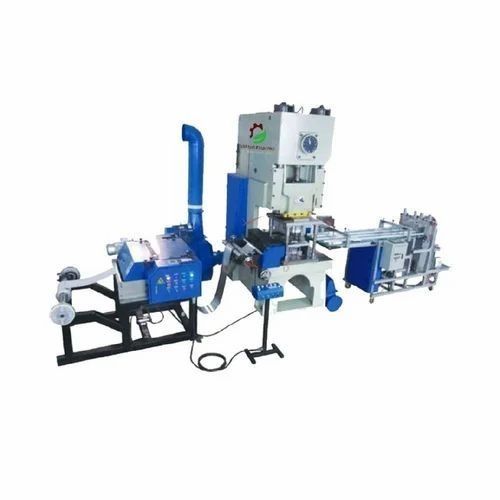
How Container Manufacturing Equipment Works: A Step-by-Step Guide
Container manufacturing equipment is used to transform materials such as plastics, metals, glass, and other substrates into finished containers for packaging and industrial applications.
The equipment required depends on the material, container design, production volume, dimensions, and performance requirements.
Modern container manufacturing equipment can include molding machines, forming systems, extrusion equipment, presses, heating systems, cooling units, trimming equipment, inspection systems, and automated material-handling systems. Understanding how these machines work helps explain the complete journey from raw material to finished container.
Why Container Manufacturing Equipment Matters
Containers must maintain consistent dimensions, structural integrity, and compatibility with their intended contents. Manufacturing equipment controls important production variables such as temperature, pressure, forming speed, material distribution, and cooling.
The right equipment configuration can also influence production consistency and the ability to manufacture different container shapes and sizes.
Important considerations include:
- Container material
- Container size and capacity
- Shape and wall structure
- Production volume
- Forming technology
- Mold or tooling design
- Heating and cooling requirements
- Automation level
- Quality-control requirements
Step-by-Step Container Manufacturing Process
The exact process varies according to the container material and manufacturing technology. However, most production systems follow several fundamental stages.
1. Material Preparation
The process begins with preparation of the selected raw material. Plastic container production may use materials such as PET, HDPE, PP, or other thermoplastics, while metal containers can use materials such as aluminum or steel.
Plastic materials may require drying, blending, or controlled material handling before processing. Proper preparation helps maintain consistent material characteristics during forming.
2. Material Heating and Processing
The prepared material is heated or otherwise conditioned for forming.
In plastic processing, the material can pass through a heated barrel or extrusion system where it becomes sufficiently soft or molten for shaping. Temperature control is important because excessive or insufficient heating can affect material flow and final container characteristics.
Metal container production may involve sheet preparation followed by cutting, pressing, drawing, or forming operations.
3. Forming the Container
The forming stage gives the material its basic container geometry.
Different technologies can be used depending on the product:
- Injection molding forms plastic components by injecting molten polymer into a mold.
- Blow molding expands heated plastic against the walls of a mold to create hollow containers.
- Thermoforming uses heat and vacuum or pressure to shape plastic sheets.
- Metal forming uses mechanical pressure to shape metal sheets or blanks.
- Glass forming uses controlled heat and forming processes to create glass containers.
The mold or tooling determines important characteristics such as container shape, dimensions, surface details, and neck geometry.
4. Molding and Shape Control
For many plastic containers, the material is held inside a mold while the final shape develops.
In blow molding, compressed air expands a heated preform or parison against the mold walls. In injection molding, pressure pushes molten polymer into the mold cavity.
Precise control of pressure, temperature, timing, and material flow helps maintain consistent container dimensions.
5. Cooling and Solidification
After forming, the container must be cooled or stabilized before further handling.
Cooling channels within molds can circulate a cooling medium to remove heat from the material. Controlled cooling helps reduce dimensional variation and supports consistent production cycles.
The cooling requirements vary significantly according to the material, container thickness, mold design, and production method.
6. Trimming and Finishing
Some manufacturing processes leave excess material that must be removed. Trimming and deflashing equipment can remove unwanted plastic around mold parting areas, openings, or container bases.
Additional finishing operations may include edge treatment, surface processing, neck finishing, or other preparation steps depending on the container design.
7. Inspection and Quality Control
Finished containers are inspected to verify that they meet defined specifications.
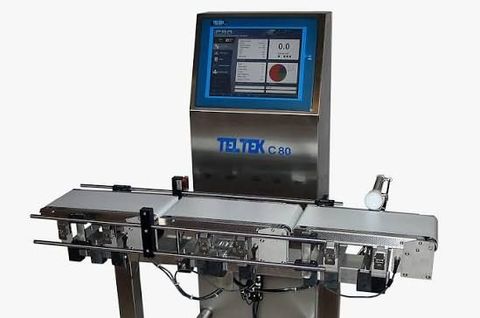
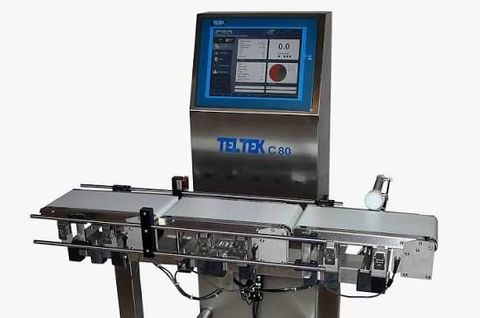
Automated inspection systems can evaluate dimensions, weight, surface appearance, wall thickness, and other characteristics.
| Quality Check | Purpose |
|---|---|
| Weight measurement | Checks material consistency |
| Dimensional inspection | Verifies container geometry |
| Wall-thickness testing | Evaluates material distribution |
| Leak testing | Checks container integrity |
| Visual inspection | Identifies surface defects |
| Drop testing | Evaluates impact resistance |
| Compression testing | Measures structural strength |
| Neck inspection | Checks closure compatibility |
Types of Container Manufacturing Equipment
Different container designs require different equipment configurations.
Plastic Container Manufacturing Equipment
Plastic container production commonly uses injection molding, blow molding, extrusion, and thermoforming technologies. PET bottles, for example, can involve injection molding for preforms followed by stretch blow molding.
HDPE and PP containers are often produced using extrusion blow molding, particularly when the design includes handles or complex hollow shapes.
Metal Container Equipment
Metal containers can be produced using presses, forming machines, cutting systems, drawing equipment, and seaming systems. These machines shape metal sheets or blanks into cans and other rigid containers.
Glass Container Equipment
Glass container production involves high-temperature melting followed by controlled forming. Specialized forming machines shape molten glass into bottles, jars, and other container designs.
Main Components of Container Manufacturing Equipment
A production line may include several supporting systems:
- Material feeding equipment
- Heating systems
- Injection or extrusion units
- Molds and forming tools
- Hydraulic or pneumatic systems
- Cooling systems
- Trimming equipment
- Conveyors
- Automated handling systems
- Inspection equipment
- Control systems
These components work together to maintain production timing and process consistency.
Factors for Selecting Container Manufacturing Equipment
Equipment selection should begin with the container specifications and manufacturing process.
Material
Identify the material and its processing requirements. Different polymers, metals, and glass compositions require different forming technologies.
Container Design
Consider capacity, dimensions, wall thickness, neck configuration, handles, base geometry, and surface details.
Production Volume
The required output influences machine configuration, mold capacity, cycle characteristics, and automation requirements.
Quality Requirements
Applications such as food, beverage, pharmaceutical, and chemical packaging may require specific dimensional, integrity, cleanliness, or inspection controls.
Automation
Automated material handling, molding, inspection, and product transfer can reduce manual intervention and support consistent production cycles.
Applications of Container Manufacturing Equipment
Container manufacturing equipment is used across numerous industries, including:
- Beverage packaging
- Food packaging
- Pharmaceutical packaging
- Cosmetic and personal-care packaging
- Household chemical packaging
- Industrial chemical containers
- Automotive fluid containers
- Agricultural product packaging
Frequently Asked Questions
What is container manufacturing equipment?
Container manufacturing equipment consists of machines and supporting systems used to form raw materials into finished containers through processes such as molding, forming, extrusion, thermoforming, or glass forming.
How does plastic container manufacturing equipment work?
Plastic container equipment generally heats and processes polymer material before forming it inside a mold or through another shaping process. Cooling and inspection follow the forming stage.
What machines are used to manufacture plastic containers?
Common equipment includes injection molding machines, blow molding machines, extrusion systems, thermoforming equipment, molds, cooling systems, trimming units, conveyors, and inspection systems.
What factors affect container manufacturing?
Material type, container design, mold geometry, processing temperature, forming pressure, cooling conditions, production speed, and quality requirements can all affect the final container.
How is container quality checked?
Quality checks can include dimensional measurement, weight verification, wall-thickness analysis, leak testing, visual inspection, drop testing, compression testing, and neck-finish inspection.
Conclusion
Container manufacturing equipment combines material preparation, heating, forming, cooling, finishing, handling, and inspection into an integrated production process. The specific machinery depends heavily on whether the container is made from plastic, metal, glass, or another material.
Understanding each production stage makes it easier to evaluate forming technologies and supporting equipment. From raw material preparation to final inspection, precise control at every stage helps maintain consistent container dimensions, structure, and quality.