HMI Systems Explained: A Practical Overview with Tips, Suggestions & Key Information
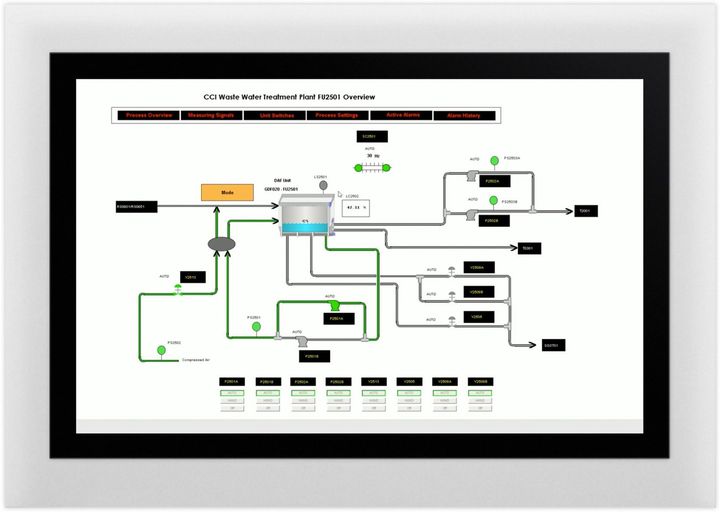
Human Machine Interface (HMI) systems refer to digital or physical interfaces that allow humans to interact with machines, equipment, or automated processes. They exist to simplify communication between users and technology, enabling operators to monitor tasks, control functions, and respond to system changes.
HMI systems can range from basic push-button panels to advanced touchscreen displays, industrial dashboards, and real-time monitoring screens.
These interfaces emerged as industrial operations became more complex, requiring a structured way to visualize data, issue commands, and maintain safety and consistency. Modern HMI applications are used in industries such as manufacturing, robotics, energy, transportation, packaging, material handling, and digital automation ecosystems.
In today’s environment, they act as a vital link between operators and automated equipment—turning data into actionable information through visual indicators, alarms, controls, and process diagnostics.
Importance
HMI systems matter because they improve operational clarity, enhance monitoring accuracy, and reduce human errors. As industries increasingly adopt automation, real-time data visibility becomes essential for maintaining performance and safety.
Who it affects
-
Industrial operators using automation equipment
-
Engineering teams responsible for process optimization
-
Maintenance teams monitoring machine health
-
Supervisors analyzing production data
-
Organizations targeting efficiency and reliability
Problems HMI systems solve
-
Limited visibility into machine operations
-
Difficulty interpreting complex system states
-
Delays in identifying faults or abnormal conditions
-
Inefficient manual monitoring methods
-
Challenges in managing multi-step automated workflows
Key benefits in practice
-
Simplified interaction with complex systems
-
Centralized monitoring through dashboards
-
Enhanced safety through alarm notifications
-
Faster troubleshooting via diagnostic displays
-
Better decision-making with real-time industrial data
High-traffic informational keywords such as industrial automation, HMI panels, touchscreen interface, data monitoring systems, and digital control platform align with the core functions of modern HMI systems.
Recent Updates
The past year has seen several updates in HMI technology influenced by innovation in industrial connectivity, cybersecurity, cloud integration, and smart automation. These developments reflect broader industry trends toward digital transformation.
Key updates from the last 12 months include:
-
2024–2025 AI-powered visualization:
HMI applications increasingly integrate predictive analytics and AI-driven pattern detection to support proactive maintenance and anomaly tracking. -
2024 cybersecurity improvements:
Enhanced encryption, secure communication protocols, and multi-layer authentication features were introduced to protect industrial data and prevent unauthorized access. -
2024–2025 cloud-ready HMI platforms:
Interfaces now support connectivity with cloud dashboards for remote monitoring, allowing supervisors to track machine status from any location. -
2024 industrial IoT compliance:
Manufacturers expanded support for protocols such as OPC UA, MQTT, and Modbus TCP to improve interoperability between HMI, PLC, and SCADA systems. -
2025 design updates for enhanced usability:
Responsive layouts, customizable widgets, and gesture-based control features improved user experience on both mobile and fixed HMI platforms.
Trends to watch
-
Increased adoption of edge computing for low-latency control
-
HMI-based energy management insights
-
Expanded use of digital twins for simulation and visualization
Laws or Policies
HMI systems are influenced by industrial, safety, and digital standards that support reliability, cybersecurity, and workplace protection. These policies ensure that equipment design, installation, and operation meet recognized guidelines.
Relevant standards and frameworks include:
-
IEC 61010 – Safety requirements for electrical equipment
-
IEC 62443 – Security standards for industrial control systems and HMI networks
-
ISO 13849 – Functional safety requirements for control systems
-
OSHA equipment operation guidelines – Workplace safety and operator training expectations
-
NIST cybersecurity framework – Recommendations for secure industrial communication
Policy influence on HMI systems
-
Requires implementation of safety indicators and alarms
-
Encourages secure data exchange protocols
-
Promotes reliable operator interface design
-
Supports standardized communication between devices
-
Affects documentation, labeling, and compliance reporting
Governments and industrial bodies also promote guidelines for emergency stop systems, hazard warnings, lockout procedures, and interface design consistency—all of which shape how HMI solutions are implemented in industrial settings.
Tools and Resources
A variety of tools and resources help organizations design, operate, and optimize HMI systems. These can support engineering tasks, data visualization, diagnostics, and interface design.
Useful tools and platforms
-
HMI configuration software – Used to create dashboards, screens, widgets, and user interfaces
-
PLC programming tools – For coordinating communication between HMI and automation controllers
-
Industrial data monitoring apps – Provide trend graphs, alerts, and status reports
-
SCADA visualization platforms – Offer large-scale supervisory control capabilities
-
Protocol analyzers – Help verify communication such as Modbus, OPC UA, or MQTT
-
Network diagnostic utilities – For monitoring latency, bandwidth, and connectivity
Helpful informational resources
-
Vendor-neutral automation manuals
-
Industrial standards documentation (IEC, ISO, NIST)
-
Online libraries for automation engineering
-
Digital transformation and control system research
-
HMI design templates and symbol libraries
Recommended usage tips
-
Keep screens simple with minimal clutter
-
Highlight critical data using clear color coding
-
Use trend graphs for performance analysis
-
Add diagnostic messages for easy troubleshooting
-
Ensure consistent layout across interface screens
-
Test navigation for operator accessibility
FAQs
1. What is the main purpose of an HMI system?
The purpose of an HMI system is to allow humans to monitor and control machines through visual interfaces. It converts technical data into readable information and provides interactive controls for managing operations.
2. How is HMI different from SCADA?
HMI is typically used for local interaction with a specific machine, whereas SCADA manages broader supervisory control across multiple systems and locations. SCADA often includes long-term data storage and remote communication features.
3. What industries commonly use HMI systems?
They are used in manufacturing plants, power generation, water treatment facilities, packaging lines, building automation, transportation, robotics, and any environment relying on automated equipment.
4. What makes an HMI interface effective?
An effective HMI uses clear visuals, intuitive navigation, accurate data representation, and reliable alarm functions. It should minimize operator errors and support fast understanding of system conditions.
5. Are modern HMI systems compatible with IoT and cloud platforms?
Yes, many recent systems support IoT connectivity, cloud dashboards, and remote access through secure communication protocols. This enables advanced monitoring and integration with digital analytics tools.
Conclusion
HMI systems play a central role in bridging the gap between human operators and automated equipment. They help provide clarity, safety, and efficiency by delivering real-time data, interactive controls, and reliable visual feedback. As industries move toward advanced automation, cloud integration, and intelligent analytics, HMI technology continues to evolve with improved usability, enhanced security, and greater interoperability.
The combination of clear interface design, adherence to recognized standards, and integration with modern digital platforms ensures that HMI systems remain essential tools for monitoring and managing industrial processes. By understanding their purpose, recent developments, governing policies, and available resources, users can better navigate and benefit from the expanding world of digital control and automation.