Guide To Comparative Analysis of Electric and Hybrid Vehicles in 2026
Electric vehicles (EVs) and hybrid vehicles have become essential parts of modern transportation systems, driven by advancements in battery technology, energy efficiency, and environmental considerations. The interest in comparing these two categories grew as mobility trends shifted from internal combustion engines to low-emission transportation models. By 2026, both electric and hybrid vehicles are positioned as core components of the automotive transition toward cleaner and more efficient mobility.
Electric vehicles operate using fully electric powertrains and rely on battery packs instead of fuel-based engines. Hybrid vehicles combine an internal combustion engine with an electric motor, allowing energy switching between electric and fuel power. The need for comparative analysis exists because consumers, policymakers, and researchers require clear understanding of performance, environmental impact, charging infrastructure, and long-term efficiency.
A structured comparison helps clarify the distinctions between the technologies, making it easier to understand the evolution of transportation in 2026.

Importance
Understanding the difference between electric and hybrid vehicles is important for several reasons:
-
Environmental considerations: EVs produce zero tailpipe emissions, while hybrids reduce emissions by using electric power during certain phases.
-
Energy efficiency: The shift from fuel dependency to energy-efficient mobility systems requires clarity on performance metrics.
-
Urban planning: Cities designing charging infrastructure need accurate insights into the growth of electric mobility.
-
Transportation policy: Policymakers rely on comparative data to design strategies for low-emission zones and cleaner mobility regulations.
-
Research and automotive innovation: Engineers and analysts compare both technologies to enhance battery design, power management, and hybrid integration.
The comparison also helps users understand differences in performance, maintenance factors, charging requirements, fuel dependency, battery lifecycle, and overall energy consumption patterns.
Recent Updates
Several developments between 2024 and 2026 have influenced the comparative landscape of electric and hybrid vehicles.
Battery Technology Advancements (2024–2026)
Solid-state batteries saw broader development, improving energy density and reducing charging times. These improvements strengthened the performance metrics of modern EVs.
Expansion of Charging Infrastructure (2025)
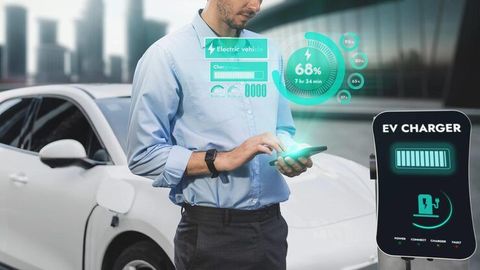
Charging networks expanded in major cities and national highways, improving accessibility for fully electric vehicles. Fast chargers became more widely available, reducing range concerns.
Hybrid System Optimization (2024–2026)
Hybrid vehicles improved energy-switching algorithms, resulting in better fuel efficiency and smoother transitions between electric and combustion modes.
Policy Focus on Low-Emission Mobility (2025)
Several countries updated climate policies to accelerate adoption of low-emission vehicles, impacting both electric and hybrid vehicle development.
Increase in Renewable Energy Integration
More regions adopted renewable energy sources for their power grids, strengthening the environmental benefits of EV charging.
Rise of Connected and Autonomous Features (2026)
Both EVs and hybrids increasingly integrated advanced driver-assistance systems, vehicle-to-grid communication (V2G), predictive battery management, and cloud-based analytics.
These updates collectively shape how EVs and hybrids compare in performance and long-term sustainability.
Laws or Policies
Regulations and national policies significantly influence the development and adoption of electric and hybrid vehicles. While specific rules vary by country, several global themes are consistent.
Emission Regulations
Many regions enforce strict emission standards, which encourage the transition to electric and hybrid vehicles. These rules often set maximum emission limits for vehicles sold after certain target years.
Incentive Programs for Clean Mobility
Countries frequently provide benefits for eco-friendly vehicles. These may apply to both EVs and hybrids depending on local regulations.
Infrastructure Development Policies
Governments invest in charging networks, renewable energy integration, and urban mobility redesign to support electric vehicle adoption.
Battery Recycling Guidelines
Environmental standards require proper recycling and disposal of batteries, impacting EV and hybrid manufacturing and maintenance practices.
Safety Standards
Both vehicle categories must comply with global automotive safety regulations, including battery safety protocols, crash-test requirements, and fire-safety standards.
These policies shape the design, performance optimization, and long-term planning of electric and hybrid technologies.
Tools and Resources
Several digital tools, websites, and analytical platforms provide valuable insights into electric and hybrid vehicles.
Vehicle Comparison Tools
-
EV and hybrid comparison dashboards
-
Energy consumption calculators
-
Battery range comparison tools
-
Vehicle specification analyzers
Infrastructure Tools
-
Charging network maps
-
Renewable energy integration trackers
-
Highway fast-charging planners
Regulatory and Research Resources
-
Government electric mobility portals
-
Environmental policy reports
-
Automotive research publications
Vehicle Technology Resources
-
Battery performance monitoring apps
-
Energy efficiency trackers
-
Predictive maintenance platforms
Using these tools helps simplify technical comparisons and supports data-driven understanding.
Comparative Analysis of Electric vs Hybrid Vehicles in 2026
The following sections highlight key comparison areas between EVs and hybrid vehicles, supported by neutral and factual information.
Energy Source and Efficiency
Electric vehicles run entirely on electricity, offering high efficiency because electric motors convert energy more effectively than fuel engines. Hybrids switch between fuel and electric power based on driving conditions, optimizing energy use during city and highway travel.
Environmental Impact
EVs have no tailpipe emissions, making them suitable for low-emission zones. Hybrids produce lower emissions than traditional fuel vehicles but still rely partly on combustion engines.
Battery and Range
Electric vehicles depend solely on battery packs, while hybrids use smaller batteries supported by fuel engines. Modern EVs in 2026 achieve significantly higher range due to advancements in battery chemistry.
Infrastructure Requirements
EVs need accessible charging networks, especially for long-distance travel. Hybrids do not require external charging because their batteries recharge through regenerative braking or engine support.
Performance Characteristics
Electric vehicles deliver instant torque, offering smooth acceleration and quiet operation. Hybrid vehicles prioritize efficiency over acceleration and may switch between engines depending on load conditions.
Maintenance Considerations
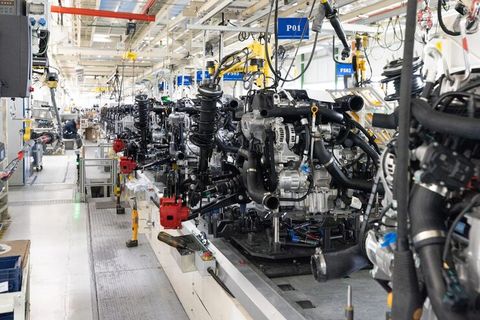
EVs have fewer mechanical components, reducing long-term maintenance complexity. Hybrids contain both electric and combustion systems, making them more complex from a technical perspective.
Comparison Table: Electric vs Hybrid Vehicles (2026)
| Feature | Electric Vehicles (EVs) | Hybrid Vehicles (HEVs) |
|---|---|---|
| Energy Source | Fully electric | Combination of fuel + electricity |
| Emissions | Zero tailpipe emissions | Lower than conventional engines |
| Range | Higher with 2026 battery tech | Supported by fuel engine |
| Charging Need | Requires charging infrastructure | No external charging |
| Performance | Instant torque, smooth driving | Balanced efficiency |
| Maintenance | Fewer components | More complex systems |
| Best Use Case | Urban and intercity electric mobility | Mixed driving conditions |
This table provides a simple, factual overview of how both vehicle categories compare.
FAQs
1. What is the main difference between electric and hybrid vehicles?
Electric vehicles run entirely on electricity, while hybrids combine an internal combustion engine with an electric motor.
2. Which type has lower emissions?
Electric vehicles produce zero tailpipe emissions. Hybrids have reduced emissions compared to traditional vehicles but still rely partly on fuel.
3. Do hybrid vehicles need external charging?
Most standard hybrid vehicles do not require external charging; their batteries recharge internally.
4. Which vehicle type offers higher energy efficiency?
Electric vehicles typically offer higher energy efficiency due to the performance of electric motors.
5. Are charging networks improving in 2026?
Yes. Many regions expanded charging infrastructure, especially fast-charging networks, making EV usage more convenient.
Conclusion
Electric and hybrid vehicles represent two important pathways toward a more efficient and sustainable transportation system in 2026. Each technology offers distinct advantages, depending on energy needs, infrastructure availability, environmental priorities, and performance expectations.
Electric vehicles lead in zero-emission mobility, improved battery technology, and long-term environmental benefits. Hybrid vehicles provide flexibility, consistent long-distance functionality, and efficient energy switching for varied driving conditions.
Understanding these differences helps policymakers, researchers, businesses, and everyday users make informed decisions about transportation in a rapidly evolving automotive landscape. With continuous updates in energy technology and mobility infrastructure, the comparison between electric and hybrid vehicles will remain an essential topic in global transportation planning.