Explore Stainless Tubing: Facts, Details & Useful Information
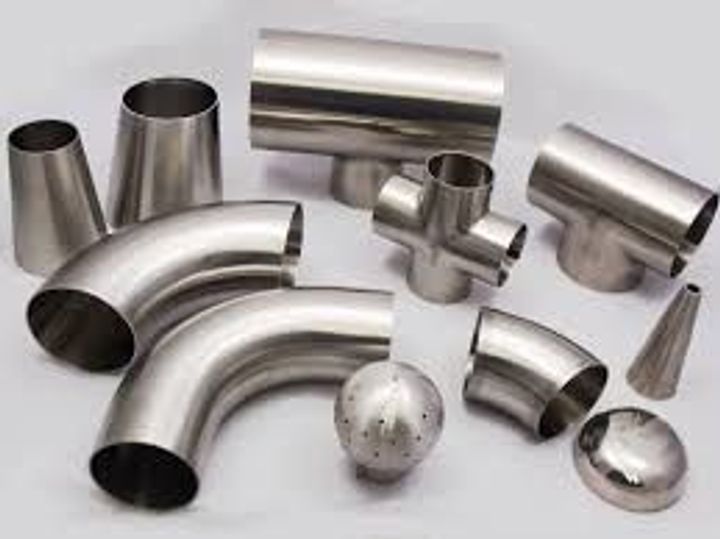
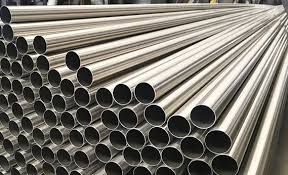
Stainless tubing refers to hollow cylindrical structures made from stainless steel—an alloy of iron containing at least 10.5% chromium, which creates a protective oxide layer that prevents rusting. It is available in seamless and welded types, with different shapes such as round, square, or rectangular depending on the application.
This topic exists because traditional materials like carbon steel often struggle with corrosion and maintenance issues in harsh environments. Stainless tubing provides a more durable and versatile solution, suitable for a wide range of industries including construction, automotive, food processing, and pharmaceuticals.
Importance
Corrosion resistance and durability
Stainless tubing offers excellent protection against rust and oxidation, reducing maintenance needs and extending product lifespan.
Versatility across industries
It is widely used for fluid transport, structural applications, and decorative purposes in architecture and furniture.
Hygiene and cleanability
Because of its smooth, non-porous surface, stainless tubing is ideal for sectors requiring cleanliness, such as medical, food, and beverage processing.
Strength and aesthetics
Stainless tubing provides both strength and a polished look, making it functional and visually appealing in architectural and industrial designs.
Sustainability
Being 100% recyclable and long-lasting, stainless tubing supports sustainability goals and reduces environmental impact.
| Feature | Why It Matters |
|---|---|
| High corrosion resistance | Reduces maintenance and extends lifespan |
| Strength-to-weight ratio | Enables lighter yet stronger structures |
| Temperature resistance | Performs well under extreme conditions |
| Hygienic and easy to clean | Perfect for food and pharma applications |
| Recyclable and durable | Environmentally responsible material choice |
Recent Updates
In the past year, the stainless tubing industry has seen notable developments:
-
The Bureau of Indian Standards (BIS) introduced IS 17875:2022 for seamless stainless steel pipes and tubes, enhancing quality benchmarks for general services.
-
Demand for higher-grade alloys such as 316/316L continues to rise, especially for marine, offshore, and chemical environments due to improved corrosion resistance.
-
Manufacturers are focusing more on tolerance accuracy, surface finishing, and compliance with international standards like ASTM and ASME.
-
Environmental trends are driving a shift toward sustainable materials, with stainless tubing being favored for its recyclability and long service life.
-
Global production efficiency improvements are being achieved through better automation and precision welding technologies in tubing manufacturing.
Laws or Policies
Stainless tubing is regulated under multiple standards to ensure quality and safety:
-
BIS Standards in India: IS 17875 : 2022 (Seamless Tubes) and IS 17876 : 2022 (Welded Tubes) set the foundation for dimensions, testing, and quality.
-
IS 6913:1973 defines specifications for welded and seamless stainless tubes used in the food and beverage industry.
-
Manufacturers in India must obtain a BIS licence to use the ISI mark, ensuring product compliance with national standards.
-
Globally, the ASTM A269 and ASTM A213 standards regulate tubing for general and high-temperature services.
-
Industry-specific standards also apply—such as hygienic standards for dairy and food processing, and pressure vessel codes for industrial use.
These frameworks ensure that stainless tubing maintains consistent performance, safety, and compatibility with international systems.
Tools and Resources
Professionals working with stainless tubing can use various tools and resources for selection, design, and maintenance:
-
Online dimension calculators to determine wall thickness, pressure rating, and bend radius for specific tubing grades.
-
Material comparison charts that show differences between common grades like 304, 316, and 321.
-
BIS and ASTM online databases for reviewing the latest technical standards and certification guidelines.
-
Engineering software (such as SolidWorks or AutoCAD) for designing tube layouts and assemblies.
-
Industry manuals on fabrication, bending, and welding stainless tubing safely and efficiently.
Using these resources helps engineers, builders, and maintenance professionals ensure accuracy, safety, and long-term reliability.
Frequently Asked Questions
Q: What is the difference between stainless tubing and stainless pipe?
A: Tubing is measured by its outer diameter and wall thickness and is used for mechanical or structural purposes, while pipes are measured by their inner diameter and are typically used for conveying fluids and gases under pressure.
Q: What are the common stainless steel grades used for tubing?
A: The most common grades are 304 (for general use) and 316 (for enhanced corrosion resistance, especially in marine or chemical environments). Low-carbon versions like 304L and 316L are preferred when welding is involved.
Q: Why choose seamless tubing over welded tubing?
A: Seamless tubing has no weld seam, offering uniform strength and better pressure resistance, making it suitable for critical or high-stress applications. Welded tubing is more economical and ideal for non-critical uses.
Q: Can stainless tubing be bent or shaped easily?
A: Yes, stainless tubing can be bent or formed using proper tools. However, care must be taken to maintain the protective surface and prevent cracking or deformation.
Q: How can I verify if stainless tubing meets quality standards?
A: Always check for a Mill Test Certificate (MTC), which confirms chemical composition, mechanical properties, and compliance with relevant standards such as BIS or ASTM.
Conclusion
Stainless tubing is a reliable, long-lasting, and sustainable material that plays a crucial role in modern infrastructure, industry, and design. Its durability, corrosion resistance, and cleanability make it an essential choice across multiple sectors—from industrial machinery to food processing and architecture.
With evolving standards, enhanced manufacturing practices, and growing environmental awareness, stainless tubing continues to adapt to global needs. Understanding its properties, grades, and regulations ensures informed decision-making for safe and efficient applications in any field.