
Explore Ottoman Storage Beds: A Complete Guide with Basics and Key Details
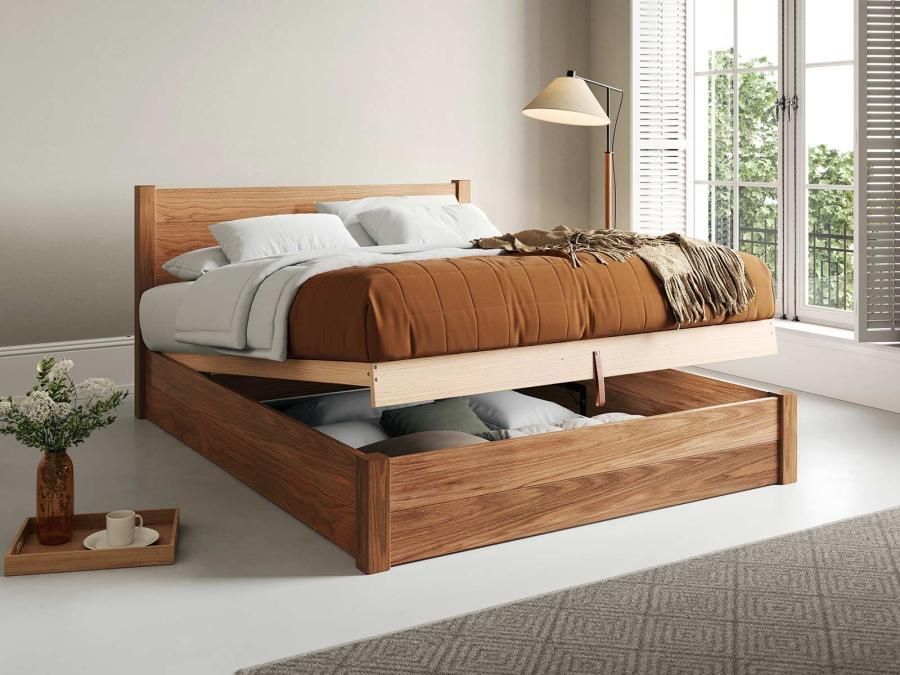
Ottoman storage beds are sleep systems designed with a lift-up base that reveals a concealed storage compartment beneath the mattress. The concept exists to address a common household challenge: limited space combined with the need for organized storage. By integrating storage into the bed frame, these beds transform an area traditionally left unused into a functional zone for everyday items.
This design blends bedroom furniture with space-saving solutions, making it relevant for compact homes, shared living spaces, and minimalist interiors. The mechanism—often assisted by gas-lift or hinge systems—allows the mattress platform to rise smoothly, providing easy access to the storage cavity without disrupting the sleeping surface.
Importance
Ottoman storage beds matter today because living spaces are increasingly required to do more with less. Bedrooms are no longer only for rest; they also serve as storage hubs for seasonal items, linens, and personal belongings.
Key reasons this topic is significant include:
-
Space optimization: Maximizes floor area without adding extra furniture.
-
Organization: Keeps items concealed, supporting clutter-free interiors.
-
Ergonomic access: Modern lift mechanisms reduce physical effort.
-
Design flexibility: Available in multiple styles, materials, and configurations.
These beds affect homeowners, renters, interior planners, and anyone seeking practical bedroom solutions. They help solve problems such as overcrowded wardrobes, limited closet space, and inefficient room layouts.
Recent Updates
In the recent period, ottoman storage beds have evolved in design and function. Notable developments include improved lift mechanisms that distribute weight evenly, enhancing durability and user comfort. Manufacturers have focused on quieter hinges and smoother motion systems to reduce noise and strain during daily use.
Design trends show a shift toward low-profile frames, breathable base panels for airflow, and modular components that simplify assembly. Sustainability has also influenced material choices, with more attention to engineered wood cores and recyclable metal hardware. Upholstery options now emphasize easy-care fabrics that support long-term maintenance.
Laws or Policies
Ottoman storage beds are influenced indirectly by general furniture safety and manufacturing standards rather than specific policies. These standards typically address:
-
Structural stability: Ensuring frames can support consistent weight loads.
-
Material safety: Restrictions on harmful finishes or emissions.
-
Mechanical reliability: Guidelines for moving parts such as hinges and lift systems.
While regulations vary by region, compliance with recognized quality benchmarks helps ensure that storage beds remain safe for daily household use. Consumers often rely on product documentation and testing certifications to understand adherence to these standards.
Tools and Resources
Several tools and resources can help people understand, compare, and maintain ottoman storage beds:
-
Room planning tools: Digital planners that visualize bed placement and clearance needs.
-
Load capacity charts: Reference tables that explain weight distribution and support limits.
-
Maintenance checklists: Guides for hinge inspection and base alignment.
-
Material comparison guides: Breakdowns of frame materials, upholstery types, and base constructions.
-
Assembly templates: Step-by-step diagrams for correct installation and alignment.
These resources support informed decision-making and long-term usability.
Key Components Overview
Ottoman storage beds consist of several essential parts that work together:
| Component | Function | Key Detail |
|---|---|---|
| Frame | Structural support | Typically wood or metal |
| Lift mechanism | Raises mattress base | Gas-lift or hinged |
| Storage cavity | Holds items | Full-depth under-bed space |
| Base panel | Supports mattress | Often ventilated |
| Upholstery | Exterior finish | Fabric or faux leather |
Storage Capacity Comparison
Different configurations influence usable storage space:
| Bed Configuration | Access Style | Storage Coverage |
|---|---|---|
| End-lift | Opens from foot | Near full length |
| Side-lift | Opens from side | Full width |
| Split-base | Two sections | Zoned storage |
FAQs
What items are suitable for storage in an ottoman bed?
Soft goods such as bedding, blankets, clothing, and pillows are commonly stored. Items should be clean and dry to maintain the interior condition.
Is ventilation important in the storage area?
Yes. Ventilated base panels help reduce moisture buildup and support airflow, which is beneficial for fabric and stored textiles.
How much effort is required to lift the base?
Modern gas-lift systems are designed to minimize effort. The exact ease depends on mattress weight and mechanism quality.
Does the lift direction matter?
Lift direction affects room layout and accessibility. Side-lift designs suit narrow spaces, while end-lift designs work well in open layouts.
How often should the mechanism be checked?
Periodic inspection helps ensure smooth operation. Checking hinges and fasteners at intervals supports longevity.
Conclusion
Ottoman storage beds represent a practical fusion of comfort and organization. By utilizing under-bed space efficiently, they address modern living challenges without compromising bedroom aesthetics. Ongoing improvements in materials, mechanisms, and design continue to refine their usability. Understanding components, standards, and resources allows individuals to make informed choices and maintain these beds effectively over time.