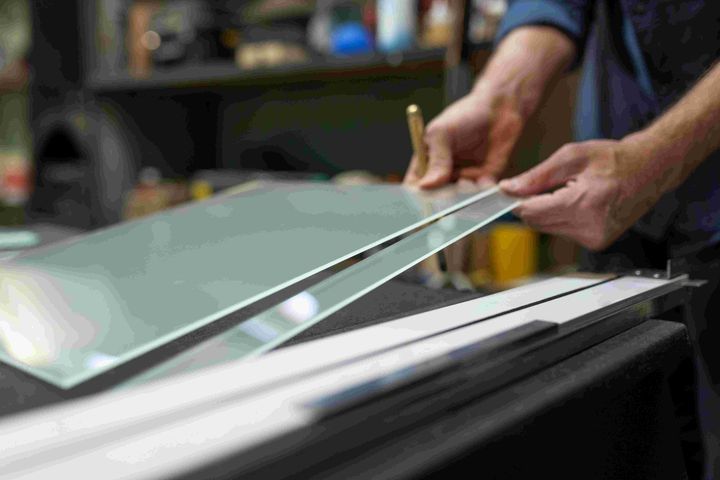
Explore Glass Cutting Machines: Basics, Details, Facts & Expert Advice
Glass cutting machines are specialized industrial systems designed to shape, trim, and process different types of glass with accuracy. They emerged as manufacturing sectors expanded and required methods that could handle delicate materials without damage. Earlier manual processes relied heavily on skill and hand-controlled cutting, but modern production environments demanded more consistency. This led to the development of mechanical, automated, and digitally controlled glass cutting technologies.
Today, these machines are used across industries that depend on precise materials engineering—construction, automotive components, electronics displays, laboratory equipment, interior structures, and energy technologies such as solar panels. Understanding how these machines function is becoming increasingly important as industries shift toward advanced manufacturing processes and automation.
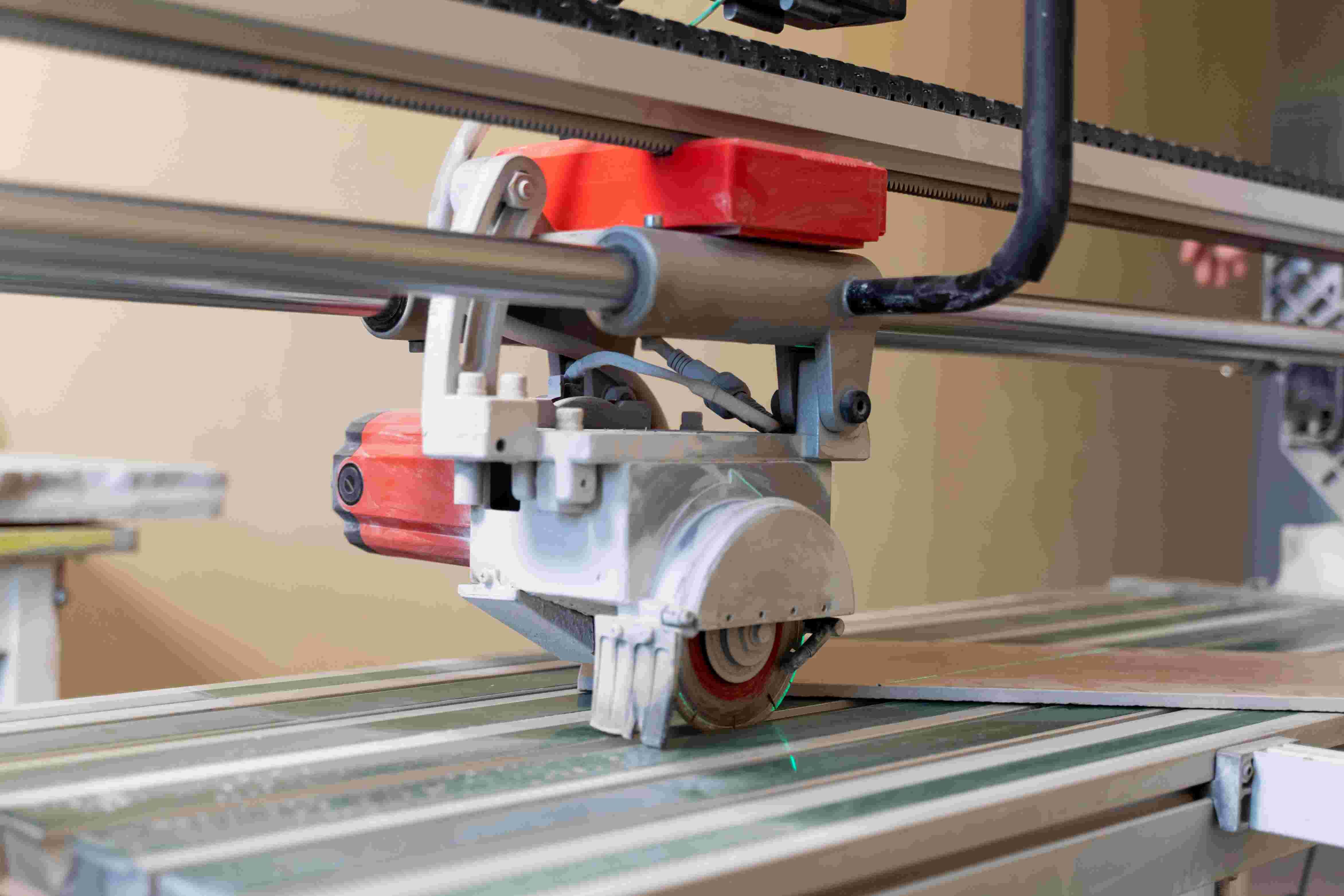
The basic concept involves scoring and separating glass sheets using controlled pressure, thermal technology, or abrasives. Modern models may use CNC technology, laser-guided scoring, waterjet systems, or robotic automation. Each variation supports different levels of accuracy, safety, and production capability, allowing industries to select systems that match their technical requirements.
Importance
Glass cutting machines play a significant role in modern industrial workflows by supporting accurate production, material consistency, and operational safety. They matter today due to several reasons that influence multiple sectors.
Efficiency in Manufacturing Processes
Industries producing architectural glass, vehicle windshields, touchscreen panels, or household fixtures rely on consistent and clean edges. Advanced cutting systems reduce errors in production, limit material waste, and help maintain uniform quality. High-precision engineering has become essential as products require tight dimensional accuracy.
Support for Innovation
Fields such as renewable energy, smart electronics, and automation depend heavily on precisely processed glass components. Solar panel manufacturing, for example, requires exact panel configurations. Electronics manufacturing needs ultra-fine glass cutting for display screens. These machines support such innovation by enabling reliable production methods.
Improved Safety and Compliance
Traditional manual cutting increases risks of cuts, breakage, and injury. Machine-based processes minimize direct contact and provide safer environments through controlled operations, enclosed cutting zones, and regulated pressure.
Impact on Skilled Workforce
Technicians operating glass systems gain exposure to industrial automation, mechanical systems, and digital controls. This helps build skill sets aligned with modern manufacturing roles, contributing to industries that rely on engineering knowledge.
Solving Practical Problems
Glass cutting machines help address issues such as:
-
Misalignment in manual cuts
-
High breakage rates
-
Inconsistent quality during mass production
-
Complex shapes that cannot be cut manually
-
Requirements for repetitive accuracy in bulk processing
These challenges highlight why modern glass cutting technologies have become valuable in improving production standards and supporting industry growth.
Recent Updates
Several developments in the past year have influenced how industries use and evolve glass cutting technologies. These updates reflect broader shifts toward automation, precision engineering, and sustainability.
Automation and Robotics Trends (2024–2025)
Many manufacturers have adopted automated glass handling systems that reduce human contact and enhance accuracy. Robotic arms with integrated cutting heads became more common in 2024 as industries focused on increased productivity and stability in manufacturing workflows.
CNC and Digital Control Improvements
CNC-based glass cutting systems have seen improvements in software accuracy, motion control, and data-driven optimization. Updates released throughout 2024 highlighted better path-planning algorithms that reduce micro-cracks and edge defects.
Laser and Waterjet Innovations
Laser-based cutting gained traction due to cleaner cutting edges and lower thermal stress. Waterjet technology also saw updates, allowing it to cut thicker glass while maintaining smooth edges.
Focus on Energy-Efficient Systems
Throughout 2024 and early 2025, many industries sought equipment designed to reduce energy use. Newer cutting technologies emphasize minimal water consumption, optimized air pressure usage, and reduced operating overhead.
Safety Enhancements Introduced Recently
Updated shielding enclosures, automated emergency stop protocols, and real-time monitoring systems were introduced by various manufacturers in mid-2024. These updates align with evolving workplace safety expectations.
Laws or Policies
Glass cutting systems are affected by several regulations related to industrial safety, environmental standards, and material handling. Although specific rules vary across countries, common policy areas influence the operation and setup of glass cutting machines.
Workplace Safety Regulations
Most regions follow safety guidelines similar to:
-
Machine guarding requirements
-
Emergency stop mechanism standards
-
Noise and exposure limitations
-
Personal protective equipment recommendations
-
Safe handling rules for brittle materials
These ensure that cutting environments minimize risks for workers.
Environmental Standards
Regulations guide how industries manage waste glass, cooling water, or fine particles produced during cutting. Some countries emphasize:
-
Reducing water discharge
-
Limiting airborne particles
-
Ensuring safe disposal of glass fragments
These policies support cleaner manufacturing environments.
Electrical and Mechanical Compliance
Glass cutting machines must meet electrical and mechanical certification guidelines, such as:
-
Proper grounding
-
Stability of moving components
-
Quality of mechanical shafts and drive systems
-
Verified load resistance
These standards ensure that equipment operates safely under continuous use.
Industry-Specific Guidelines
Construction and automotive sectors may follow additional compliance rules for dimensions, material quality, and testing. For example:
-
Architectural glass must meet safety glazing standards
-
Automotive glass must comply with transport authority guidelines
-
Electronics glass must follow precision thickness requirements
These rules help ensure that finished glass products meet industry expectations for durability and safety.
Tools and Resources
A variety of resources support individuals, technicians, and students who want to understand or work with glass cutting machines. These tools focus on guidance, training, calculations, and technical insights.
Technical Tools
-
CNC path-simulation software – Useful for previewing cutting paths and reducing errors.
-
Material thickness calculators – Helps determine suitable cutting pressure for different glass types.
-
Precision measurement tools – Digital calipers and micrometers support accurate thickness evaluations.
Learning Resources
-
Industrial training modules on mechanical systems and automation
-
Engineering handbooks covering glass properties and processing techniques
-
Safety manuals detailing proper handling, storage, and cutting practices
Websites and Knowledge Platforms
-
Material engineering portals offering research papers
-
Manufacturing technology websites with insights into CNC updates
-
Standards organizations that publish guidelines on workplace safety and equipment compliance
Templates and Checklists
-
Daily inspection checklists for cutting environments
-
Maintenance logs for machine operators
-
Glass quality verification sheets
-
Safety compliance templates for workplace audits
These resources provide a structured way to learn, plan, and maintain cutting operations with a focus on accuracy and safety.
FAQs
What is the basic principle behind glass cutting machines?
Glass cutting machines typically score the glass surface and then apply controlled pressure or thermal influence to separate it along the scored line. The method used depends on the machine type—mechanical, CNC, laser, or waterjet.
Are all glass cutting machines fully automated?
Not necessarily. Many options range from manual-assist models to fully automated CNC systems. Automation levels vary based on production needs, precision requirements, and industrial settings.
What types of glass can be processed using these machines?
Common types include float glass, laminated glass, tempered glass (in specific conditions), patterned glass, thin electronic display glass, and coated glass. Compatibility depends on cutting method and machine capability.
Do glass cutting machines require regular maintenance?
Yes. Regular inspections ensure smooth cutting performance. Maintenance typically includes checking cutting components, monitoring software calibration, cleaning glass debris, and inspecting mechanical parts.
Why is edge quality important in glass cutting?
Proper edge quality prevents cracks, improves durability, and ensures the glass fits correctly in structural or electronic components. Smooth edges also support safety and reduce long-term wear.
Conclusion
Glass cutting machines represent a significant part of modern industrial processes because they support accurate, efficient, and safe handling of delicate materials. Their evolution from manual tools to precision-engineered systems reflects broader trends in automation, digital controls, and material science. Understanding how these machines work helps technicians, students, and professionals navigate an industry shaped by engineering advancements, updated safety expectations, and expanding applications.
As industries continue to rely on architectural structures, automotive components, electronics screens, and renewable energy technologies, the demand for precise glass processing remains strong. Insights into tools, regulations, updates, and resources make it easier to appreciate how these machines support consistent production standards and contribute to innovation in multiple fields.