Digital Humidity Data Logger: A Complete Guide with Insights & Key Details
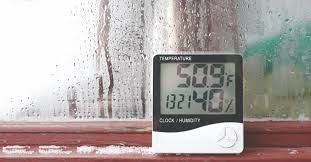
A digital humidity data logger is an electronic device designed to measure and record humidity levels over time. It typically includes sensors, onboard memory, a digital interface, and software for data retrieval and analysis. These devices exist because humidity plays a critical role in environmental monitoring, industrial automation, food processing, pharmaceuticals, agriculture, laboratories, and building management.
Before digital systems became widespread, humidity readings were taken manually with analog hygrometers, which required frequent checking and often lacked long-term storage. Modern data loggers emerged as a response to the need for consistent humidity measurement, continuous monitoring, and traceable records. The increased demand for accurate climate data, IoT-enabled monitoring, and compliance with environmental standards contributed to the growth of digital logging technologies.
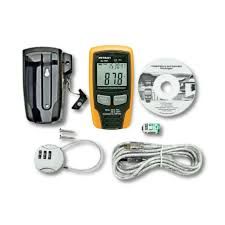
Digital humidity data loggers now form a part of intelligent monitoring ecosystems. They are used to track atmospheric conditions, detect fluctuations, and ensure that environments remain within acceptable humidity thresholds. This makes them essential in sectors where environmental stability directly affects safety, performance, or quality control.
Importance
Humidity plays a direct role in material properties, microbial growth, equipment durability, and product stability. As a result, digital humidity data loggers support several areas:
Industrial and manufacturing applications
Industries use these devices to maintain controlled environments for electronic components, packaging materials, textiles, and precision instruments. Excess humidity can lead to corrosion or malfunction, while insufficient humidity can cause static discharge risks.
Pharmaceuticals and healthcare
Medicines, biological samples, and storage rooms require tight humidity control. Regulatory bodies often require documented records, and digital data loggers help maintain traceable environmental logs.
Food and agriculture
Perishable goods, cold storage, greenhouses, and drying processes depend on humidity stability. Logging data helps maintain product quality and supports environmental compliance.
Smart buildings and HVAC systems
Data loggers help optimize ventilation, detect moisture accumulation, and contribute to energy-efficient building management. They assist in preventing issues such as mold or structural moisture damage.
Research and laboratories
Scientific work often requires exact humidity conditions. Loggers ensure accuracy, traceability, and consistency for experiments, calibration activities, and sensitive instruments.
Humidity fluctuations can cause physical, chemical, and biological changes. Digital data loggers help detect these variations early, making them essential for risk prevention, quality assurance, and environmental monitoring.
Recent Updates
Digital humidity data loggers have evolved significantly in the past few years, with advances in sensor accuracy, connectivity, and cloud-based monitoring. Notable updates include:
-
IoT-enabled loggers (2024–2025): Devices with Wi-Fi, BLE, NB-IoT, and LoRaWAN connectivity became more widespread, allowing remote access and automated alerts.
-
AI-assisted diagnostics (2024): Some manufacturers began integrating analytics that predict humidity trends or detect anomalies in environmental patterns.
-
Higher-accuracy humidity sensors (2023–2024): Many loggers adopted improved RH sensors with better drift resistance and faster response times.
-
Cloud dashboards and mobile apps (2023–2025): Platforms expanded support for real-time graphs, audit trails, and secure multi-device access.
-
Data integrity improvements (2024): Enhanced timestamps, encryption, and traceability features were introduced to support compliance monitoring.
-
Sustainability initiatives (2024–2025): More products adopted low-power chips and energy-efficient display technology.
These developments reflect growing needs in precision environmental monitoring, smart infrastructure, and global compliance frameworks.
Laws or Policies
Humidity data monitoring intersects with regulations in several sectors, especially where environmental stability affects quality or safety. Depending on the location and industry, digital humidity data loggers may help support compliance with:
Pharmaceutical and healthcare guidelines
-
Good Manufacturing Practices (GMP) and Good Storage Practices (GSP) emphasize environmental control and record integrity.
-
WHO and national agencies require accurately logged humidity data for drug storage, vaccines, and biologics.
Food safety regulations
-
Agencies commonly require environmental monitoring in cold storage, food processing units, and packaging areas.
-
Humidity logs help demonstrate adherence to hygiene and storage guidelines.
Laboratory and research standards
-
Calibration standards from organizations such as ISO/IEC 17025 require traceable measurement records and environmental logs.
Building and environmental regulations
-
Some countries include humidity monitoring as part of indoor air quality requirements in commercial buildings.
-
Monitoring may help in demonstrating adherence to environmental performance benchmarks.
While digital humidity data loggers themselves are not heavily regulated, the records they produce support compliance with environmental, operational, and quality standards across multiple sectors.
Tools and Resources
The following tools, platforms, and resources can assist with monitoring, analysis, or understanding humidity data:
Software and apps
-
Data logging platforms with cloud dashboards for graphing and exporting environmental data
-
Mobile apps for Bluetooth-enabled loggers with real-time alerts and trend charts
-
IoT device management software used for remote monitoring
Reference standards
-
Relative Humidity (RH) calibration guidelines from national metrology institutes
-
ISO/IEC measurement standards for environmental testing
Web-based resources
-
Humidity calculators that convert dew point, wet-bulb temperature, and relative humidity
-
Environmental monitoring guides from research organizations
-
Technical documentation for sensor calibration and data integrity
Templates and documentation tools
-
Data recording sheets for environmental auditing
-
Calibration log templates
-
Quality assurance documentation formats for environmental monitoring
Useful calculators and tools for analysis
-
Dew point calculators
-
Psychrometric chart tools
-
Sensor drift estimation tools for long-term monitoring
These resources support accurate interpretation, compliance documentation, and reliable humidity measurement workflows.
Humidity Data Overview Table
A simple reference table illustrating key aspects of humidity data monitoring:
| Parameter | Typical Range | Importance |
|---|---|---|
| Relative Humidity (RH) | 0–100% | Indicates moisture levels in air |
| Dew Point | Varies by temperature | Predicts condensation risk |
| Temperature | -40°C to 85°C | Affects humidity accuracy |
| Sensor Drift | 0.1–0.5% per year | Impacts long-term reliability |
| Logging Interval | 1 sec to 60 min | Determines data resolution |
This table helps clarify commonly tracked values in environmental monitoring.
FAQs
What does a digital humidity data logger measure?
It measures relative humidity and often temperature. Many models store data internally, provide timestamps, and allow the information to be exported for analysis.
Why is continuous humidity logging important?
Humidity can fluctuate throughout the day, and short-term checks may miss critical variations. Continuous logging helps ensure environmental stability and supports compliance monitoring.
How often should sensors be calibrated?
Calibration frequency depends on the operating environment, sensor type, and organizational standards. Many facilities calibrate annually, but high-precision applications may require more frequent checks.
Can digital humidity data loggers work in extreme environments?
Certain industrial-grade models are designed for high-temperature areas, cold rooms, or high-moisture environments. Users typically select devices based on operating range specifications.
What is the difference between a humidity meter and a data logger?
A humidity meter provides real-time readings, while a data logger stores readings over time, creating a record for analysis or documentation.
Conclusion
Digital humidity data loggers play an important role in environmental monitoring, climate control, and precision-based operations. Their ability to measure, record, and organize data supports industries such as pharmaceuticals, food processing, agriculture, research, and smart building management. Recent advancements in IoT sensors, cloud dashboards, and high-accuracy measurement technologies have strengthened their role in modern monitoring systems.
As organizations continue prioritizing environmental stability, traceability, and compliance, digital humidity data loggers remain foundational tools for maintaining consistent and reliable humidity-related information. Their use contributes to safer processes, improved quality control, and stronger environmental awareness across a wide range of applications.