Diesel Generator Sets: Insights Into Power Backup and Generator Operation
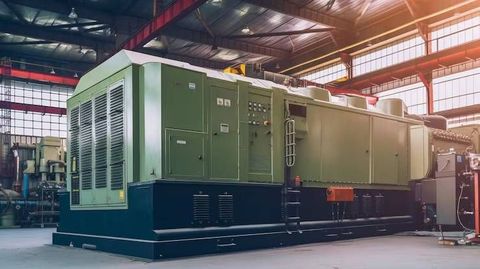
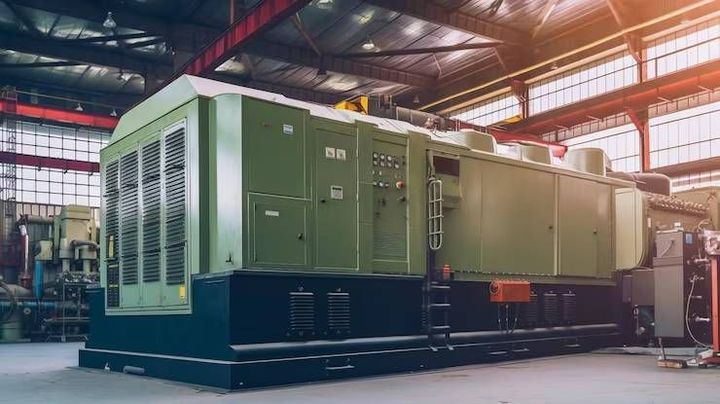
Diesel generator sets, commonly called diesel gensets, are systems designed to produce electrical power when a primary electricity supply is unavailable or unsuitable.
They combine a diesel engine with an electrical generator, along with controls, fuel storage, cooling components, and protective equipment. Together, these parts convert the energy stored in diesel fuel into usable electrical power.
The basic concept has existed for many decades and developed alongside the expansion of electrical infrastructure. Generator sets became important in locations where electricity networks were limited, as well as in buildings and facilities where interruptions could affect essential operations.
How Diesel Generator Sets Work
A diesel generator set generally follows a straightforward sequence. The diesel engine burns fuel and produces mechanical rotation. This rotation drives the generator, also known as an alternator, which converts mechanical energy into electrical energy.
A typical operating cycle includes several key stages:
- Fuel is delivered to the diesel engine.
- Air and fuel are compressed and ignited inside the engine.
- Combustion produces mechanical energy.
- The engine rotates the alternator.
- The alternator generates electrical energy.
- Control equipment regulates and monitors the output.
The generator does not normally create electricity from fuel directly. Instead, the engine provides the mechanical energy required for the alternator to produce electrical power.
Main Components
A diesel generator set contains several interconnected components. The engine provides mechanical power, while the alternator produces electricity. The fuel system stores and delivers diesel, and the cooling system helps manage engine temperature during operation.
Other important parts include the exhaust system, lubrication system, battery and starting system, control panel, voltage regulation equipment, and protective devices. The enclosure or installation structure can also influence noise levels, ventilation, and environmental exposure.
Importance
Reliable electrical power is important for homes, businesses, public facilities, communication systems, construction locations, and industrial operations. When the primary electricity supply is interrupted, a properly configured generator can provide temporary backup power for selected electrical loads.
Where Backup Generation Matters
Diesel generator sets are used in many environments because their operating principle can support different power requirements. Examples include:
- Hospitals and healthcare facilities for selected critical electrical loads
- Data and communication facilities where interruptions can affect digital systems
- Commercial buildings requiring backup for essential equipment
- Industrial facilities supporting selected production or safety systems
- Construction sites where grid electricity may not yet be available
- Residential buildings requiring backup during electrical interruptions
- Public infrastructure where continuity of selected functions is important
The generator capacity must correspond with the electrical loads connected to it. A system with insufficient capacity may not operate connected equipment properly, while excessive capacity can result in inefficient operation when the actual load is low.
Understanding Generator Capacity
Generator capacity is commonly expressed in kilowatts (kW) or kilovolt-amperes (kVA). These measurements describe different aspects of electrical output, so they should not be treated as interchangeable without considering power factor.
The following table provides a simplified reference:
| Generator Size | Typical Application Area | General Consideration |
|---|---|---|
| Small capacity | Homes and small facilities | Selected essential loads |
| Medium capacity | Commercial buildings | Multiple electrical systems |
| Large capacity | Industrial facilities | Higher and varied electrical loads |
| Very large capacity | Major infrastructure | Complex load management |
Actual requirements depend on equipment characteristics, starting currents, operating patterns, voltage requirements, and the number of loads connected.
Challenges Addressed by Generator Operation
Electrical interruptions can affect lighting, refrigeration, communication, computing equipment, pumps, security systems, and other electrically powered equipment. A generator can reduce the period during which selected systems remain without electricity.
However, generator operation also involves considerations such as fuel storage, ventilation, exhaust emissions, noise, electrical safety, load management, and routine inspection. Diesel exhaust contains pollutants, so generators need appropriate installation and operation practices in accordance with applicable regulations.
Recent Updates
The diesel generator sector continues to develop as electricity demand, backup requirements, environmental regulations, and digital monitoring technologies change. From 2024 through 2026, a broader trend has been the integration of conventional generator technology with automated controls, remote monitoring, and hybrid energy systems.
Smarter Monitoring and Controls
Modern generator controllers can monitor operating parameters such as engine temperature, oil pressure, voltage, frequency, fuel level, and running hours. Digital interfaces can make it easier for operators to identify abnormal conditions and review operating information.
Remote monitoring is also becoming more common in larger installations. Depending on the system, information can be viewed through connected software platforms, allowing operational data and alerts to be examined without being physically beside the generator.
Integration With Other Energy Sources
Another developing trend is the combination of diesel generators with batteries, solar generation, and other power technologies. In a hybrid arrangement, different energy sources can work together according to the electrical demand and system design.
Battery systems can handle certain short-duration requirements, while a generator can provide longer-duration generation when necessary. This approach can change how diesel generators are operated, particularly in locations with variable electrical loads.
Emphasis on Efficiency and Emissions
Engine manufacturers and system designers continue to focus on fuel efficiency, combustion control, emissions management, and electronic engine controls. Regulatory requirements vary by country and application, so generator specifications need to be considered in relation to the location where the equipment operates.
There is also greater attention to operating generators at appropriate load levels. Very light loading for extended periods can create operating concerns for some diesel engines, making proper load planning an important part of generator management.
Tools and Resources
Several tools can help people understand, plan, and monitor diesel generator operation without requiring specialist knowledge.
Load Calculators
Generator load calculators can help estimate the electrical capacity needed for connected appliances and equipment. These tools commonly use the power rating of individual loads and may account for starting requirements.
Fuel Consumption Calculators
Fuel consumption calculators estimate diesel usage based on generator capacity, load percentage, and engine characteristics. Actual consumption varies according to the specific generator, operating conditions, and load.
Manufacturer Documentation
Generator manuals and technical documentation provide information about operating limits, control-panel indicators, maintenance intervals, fuel requirements, electrical ratings, and safety procedures. The documentation for a specific generator should take precedence over general information.
Electrical Reference Tools
Electrical unit converters and kVA-to-kW calculators can help explain relationships between electrical capacity measurements. They are particularly useful when comparing generator ratings with the requirements of electrical equipment.
Monitoring Platforms
Digital monitoring platforms can display generator operating data, alarms, runtime information, and other parameters. The available features depend on the generator controller and connected monitoring system.
FAQs
What are Diesel Generator Sets used for?
Diesel Generator Sets are primarily used to provide electrical backup or independent power in locations where a primary electricity supply is unavailable, interrupted, or insufficient for selected requirements.
How does a diesel generator set generate electricity?
A diesel engine burns fuel to produce mechanical rotation. The rotating engine drives an alternator, which converts that mechanical energy into electrical energy for connected loads.
How is generator capacity measured?
Generator capacity is commonly expressed in kW or kVA. The appropriate rating depends on the electrical loads, power factor, starting requirements, voltage, frequency, and operating conditions.
What affects diesel generator fuel consumption?
Fuel consumption is affected by engine design, generator capacity, electrical load, operating conditions, ambient temperature, and maintenance condition. Consumption generally changes as the connected electrical load changes.
What recent developments affect diesel generator operation?
Recent developments include digital controllers, remote monitoring, improved emissions management, more detailed operational data, and integration with batteries and other energy technologies.
Conclusion
Diesel generator sets convert mechanical energy from a diesel engine into electrical power through an alternator. Their applications range from residential backup to commercial, industrial, healthcare, communication, and infrastructure environments. Recent developments increasingly involve digital monitoring, improved control systems, emissions management, and integration with other energy technologies. Understanding generator capacity, components, operating conditions, and electrical loads provides a clearer picture of how these backup power systems function.