Cosmetic Filling Machines: Types, Uses, and Selection Guide
Cosmetic filling machines help manufacturers package creams, lotions, shampoos, serums, perfumes, and other personal care products into containers with consistent quantities.
Cosmetic filling machine manufacturers develop equipment for different product viscosities, container shapes, and production requirements. From automatic cosmetic filling machines to complete packaging systems, these solutions support filling, capping, and other stages of cosmetic production.
Understanding the available equipment, its applications, and important selection factors can help businesses identify suitable machinery for their packaging operations.
Understanding Cosmetic Filling Machines
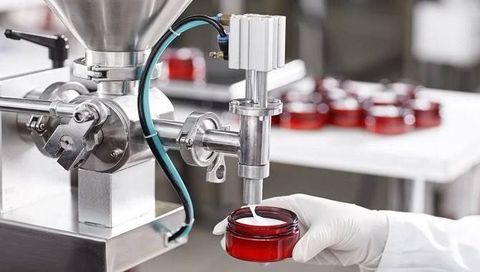
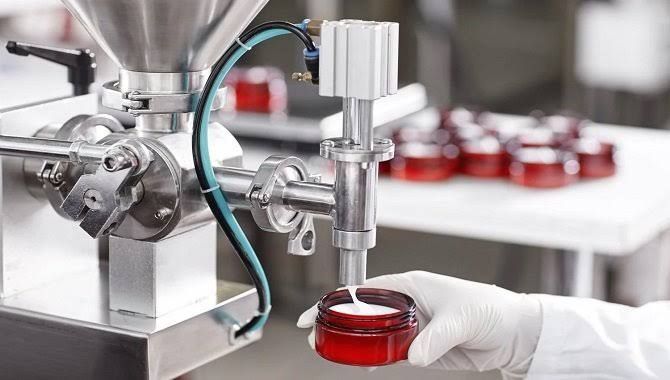
Cosmetic filling machines are designed to transfer liquid, semi-liquid, and thicker cosmetic formulations into bottles, jars, tubes, and other containers. Depending on the product, the equipment may use pumps, pistons, gravity, or other dispensing mechanisms to control the filling process.
Cosmetic filling equipment suppliers provide different configurations, including manual, semi-automatic, and fully automatic machines. The appropriate option depends on production volume, product characteristics, packaging materials, and the level of automation required.
Common Types of Filling Equipment
Cream filling machines: Designed for thicker products such as moisturizers, face creams, and body butters.
Liquid filling machines: Used for products such as toners, shampoos, liquid soaps, and cosmetic oils.
Tube filling machines: Fill and seal compatible tubes used for creams, gels, and other personal care formulations.
Perfume filling machines: Designed to dispense fragrances into suitable bottles with attention to filling accuracy and product handling.
Bottle filling and capping systems: Combine filling with cap placement or tightening to support a more organized packaging workflow.
Why Cosmetic Filling Equipment Matters
Consistent filling is important for product presentation, packaging quality, and inventory management. Equipment that suits the formulation and container can help reduce spills, limit product waste, and make packaging operations easier to manage.
Automation can also reduce repetitive manual work. However, actual performance depends on machine design, product properties, container specifications, maintenance, and operator training.
Important Operational Benefits
Cosmetic filling equipment can support several production needs:
Consistent dispensing: Suitable filling mechanisms help maintain repeatable quantities.
Improved workflow: Automated processes can reduce the number of manual steps.
Flexible packaging: Certain machines accommodate different container sizes with appropriate adjustments.
Cleaner handling: Well-designed equipment can help control drips and spills.
Production planning: Defined operating speeds and container formats make it easier to organize packaging schedules.
These benefits vary by machine model and application, so specifications should be reviewed before selecting equipment.
Applications Across the Cosmetics Industry
Cosmetic filling machines serve businesses producing a wide range of personal care and beauty products. The formulation's thickness, flow characteristics, and packaging requirements determine which filling mechanism is appropriate.
Equipment for Different Products
Cream filling machine for cosmetics applications commonly include moisturizers, facial creams, lotions, and other thicker formulations. Skincare product filling machines may handle serums, cleansers, facial oils, and similar products, depending on the equipment configuration.
A cosmetic liquid filling machine is generally suitable for products that flow readily, while cosmetic tube filling machine manufacturers provide systems for compatible tube materials and sealing methods. Perfume filling machine manufacturers focus on equipment suitable for fragrance containers and the handling requirements of liquid perfumes.
Businesses packaging multiple product types should confirm whether a machine can handle different formulations without compromising filling consistency or requiring excessive changeover time.
Comparing Cosmetic Filling Machine Options
Different machines offer different levels of automation and operational flexibility. The following table outlines common configurations and their typical applications.
Machine type | Typical application | Main consideration |
|---|---|---|
Manual filling machine | Small production batches | Labor requirements |
Semi-automatic filler | Small to medium operations | Operator involvement |
Automatic filling machine | Repetitive, higher-volume production | Setup and maintenance |
Tube filling machine | Compatible cosmetic tubes | Tube material and sealing |
Filling and capping machine | Bottle-based packaging | Container and cap compatibility |
Turnkey filling line | Integrated packaging operations | Space and system coordination |
This comparison is a general guide rather than a specification for every machine. Actual capabilities differ between manufacturers and models.
How to Choose the Right Cosmetic Filling Equipment
Selecting suitable machinery involves evaluating both current production needs and anticipated operational changes. Comparing equipment specifications with the intended product and packaging format helps narrow the available options.
Key Factors to Evaluate
Product characteristics: Consider viscosity, foaming tendency, temperature sensitivity, and compatibility with equipment materials.
Container design: Check bottle openings, jar dimensions, tube materials, and cap types.
Filling accuracy: Review the manufacturer's stated accuracy specifications and the conditions under which they apply.
Production capacity: Compare the required output with the machine's documented operating speed.
Cleaning requirements: Assess how easily product-contact components can be cleaned and maintained.
Automation needs: Determine whether manual, semi-automatic, or automatic operation fits the workflow.
Available space: Confirm that the equipment fits the production area and allows safe access for operation and maintenance.
Turnkey cosmetic filling line manufacturers may provide integrated arrangements that connect filling with capping, labeling, and other packaging stages. Businesses considering these systems should review compatibility between individual machines, installation requirements, and ongoing maintenance needs.
Frequently Asked Questions
What do cosmetic filling machine manufacturers produce?
They manufacture equipment designed to fill cosmetic products into containers, including bottles, jars, and compatible tubes. Some also provide integrated filling and packaging systems.
How do automatic cosmetic filling machines work?
These machines use configured dispensing mechanisms and automated controls to fill containers according to selected operating settings. Their capabilities depend on the product, container, and machine design.
Which machine is suitable for thick creams?
A cream filling machine for cosmetics may use piston-based or other suitable dispensing technology. The correct choice depends on the formulation's viscosity and the required filling quantity.
What should businesses ask cosmetic filling equipment suppliers?
They should ask about product compatibility, filling accuracy, operating speed, cleaning procedures, maintenance, changeover requirements, and available technical documentation.
Conclusion
Cosmetic filling machines support the packaging of creams, liquids, perfumes, skincare products, and other personal care formulations. Choosing suitable equipment requires consideration of product properties, container design, production requirements, automation, and maintenance. Comparing documented specifications and discussing application requirements with manufacturers can help businesses identify equipment that fits their packaging operations.