Camper Vans Explore Guide: Key Insights, Tips & Useful Information
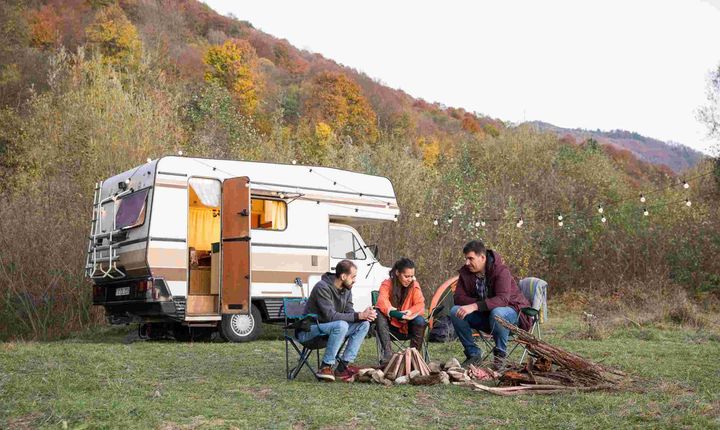
Context Camper vans are compact, self-contained vehicles designed for travel, mobility, and temporary accommodation. They combine essential living elements—such as sleeping space, storage, basic utilities, and travel features—into a single mobile unit. Their purpose is to support long-distance journeys, weekend explorations, and flexible travel habits without relying on fixed lodging options.
The concept emerged in the 20th century when travellers began modifying utility vehicles for extended trips. Over time, they evolved with improvements in automotive engineering, lightweight materials, energy-efficient systems, water-management technology, and road-trip infrastructure. Today, camper vans represent a broader shift toward flexible mobility and independent travel planning.
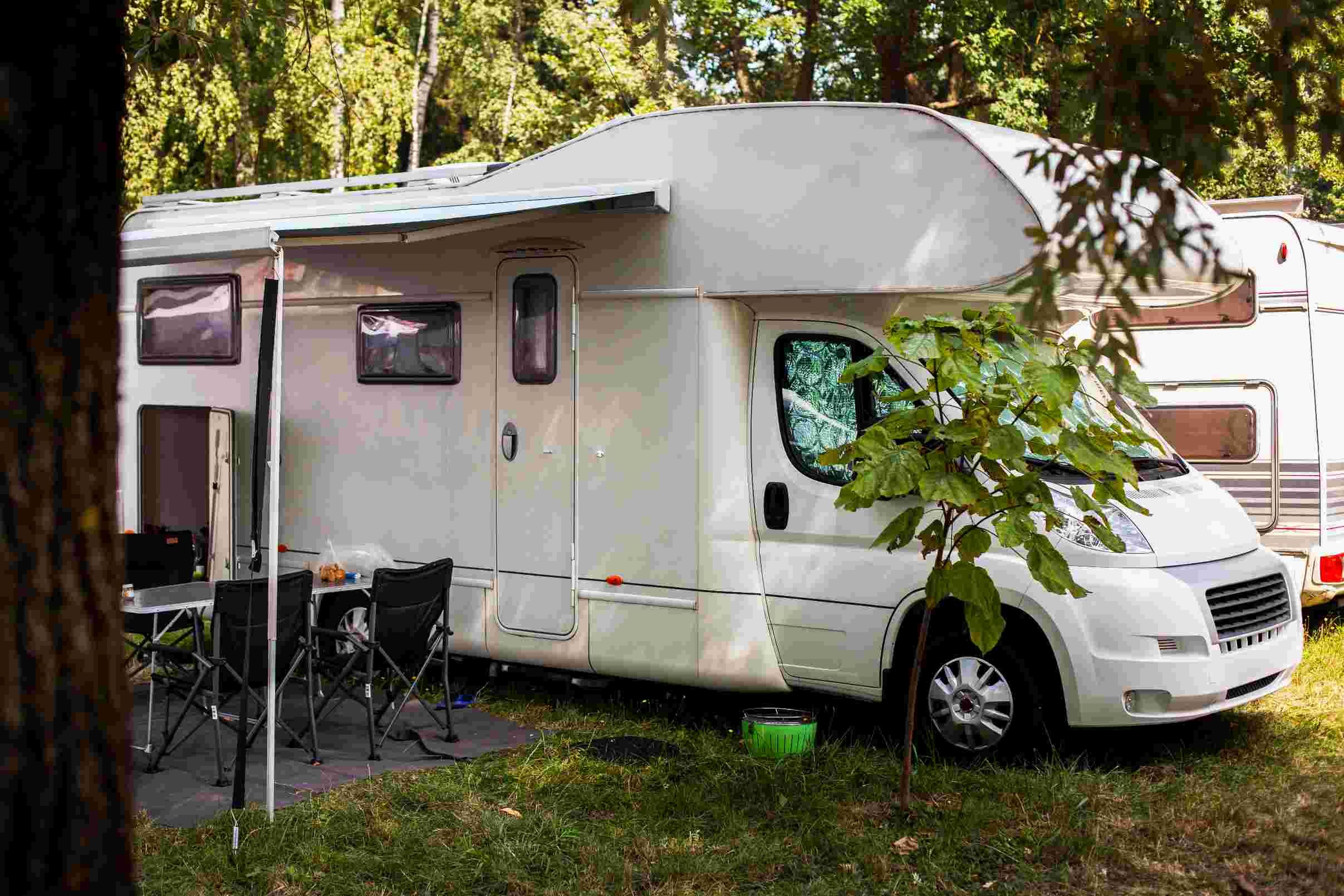
Their design usually includes foldable layouts, multipurpose fixtures, and compact systems for comfort. Popular configurations often feature modular furniture, integrated ventilation, smart storage zones, and off-grid power options like solar panels. The goal is simplicity and adaptability rather than luxury, making them suitable for a wide range of travel styles.
Importance
Camper vans matter today due to changing travel patterns, an increase in interest in nature-based exploration, and the need for more flexible mobility options. They are relevant for individuals, couples, and families seeking an alternative approach to travel that combines transportation and temporary living.
Their importance is shaped by four key factors:
-
Changing travel behavior
Many people prefer local and regional travel over long-distance modes. Camper vans support slow travel, scenic routes, and flexible planning. -
Rise of mobile lifestyles
Remote work and hybrid schedules have encouraged mobile working spaces. A camper van can function as a temporary workspace or travel hub. -
Energy-efficient mobility trends
Modern camper vans integrate solar power, energy-storage systems, sustainable materials, and efficient engines. This aligns with broader environmental goals. -
Accessibility for diverse travellers
Some travellers prefer predictable environments for health, safety, or comfort reasons. A camper van provides a personalized and controlled travel setting.
The problems they help address include route flexibility, accommodation dependency, accessibility for remote destinations, and the ability to manage personal routines while traveling. They also reduce reliance on dense tourist zones and encourage exploration of lesser-known regions.
Recent Updates
Several changes and trends from the past year have influenced camper van usage, design, and travel practices. These developments reflect technology, safety, and mobility innovations.
-
Growth in compact designs (2024–2025)
Manufacturers introduced smaller, fuel-efficient bases and improved modular interiors to support urban driving and narrow roads. -
Increased integration of smart navigation systems (2024)
Real-time mapping, terrain analytics, and route optimization became more widely adopted through mobile apps and in-vehicle software. -
Adoption of renewable energy features (2024–2025)
More users added solar panels, lithium battery systems, and energy monitoring tools to support off-grid travel and reduce dependence on external power points. -
Enhanced vehicle safety standards (2024)
Updates included improved crash protection features, better fire-resistant materials, and enhanced ventilation guidelines for camper interiors. -
Tourism policy shifts in multiple regions (2024–2025)
Some countries updated rules for overnight parking, wildlife-zone access, and waste-management regulations to reduce environmental strain.
These developments show a shift toward safer, cleaner, and more digitally supported camper van travel experiences.
Laws or Policies
Regulations affecting camper vans vary by country and region, but most focus on road safety, environment protection, and public-space management.
Common policy areas include:
-
Parking and overnight stay rules
Many regions allow parking in designated areas only. Restrictions often apply near wildlife zones, protected landscapes, or urban centers. -
Roadworthiness and safety inspections
Annual or periodic checks ensure that essential components like brakes, lighting, and emissions meet national standards. -
Environmental regulations
Rules related to waste disposal, greywater handling, and engine emissions help maintain ecological balance in natural areas. -
Insurance and registration requirements
Camper vans usually fall under specific vehicle categories that need documented compliance with structural and safety norms. -
Energy and fuel guidelines
Some countries encourage eco-friendly travel by promoting cleaner fuels or renewable energy integrations for mobile dwellings.
These policies guide responsible travel, reduce environmental impact, and maintain safety standards for users and communities.
Tools and Resources
Several tools support route planning, safety, maintenance, and efficient travel strategies. They help users monitor resources, explore new areas, and maintain vehicle performance.
Navigation and Route Planning Tools
-
Google Maps
-
Mapy.cz Outdoor Navigation
-
Gaia GPS
-
Roadtrippers Planner
Travel and Location Information
-
iOverlander
-
Park4Night Database
-
National park websites (varies by region)
-
Public transport and road-condition portals
Energy and Resource Monitoring
-
Solar energy tracker apps
-
Battery health monitoring tools
-
Water-usage tracking apps
Vehicle Maintenance and Technical Tools
-
Torque Pro diagnostics
-
Vehicle-health scanner tools
-
Tyre-pressure monitoring apps
Travel-support Websites
-
Weather forecasting sites
-
Road safety advisories
-
Wildlife-zone updates
-
National tourism information portals
These resources make planning more efficient, support safety, and help individuals travel in an informed, environmentally responsible way.
Useful Table: Core Features of a Camper Van
| Feature Category | Description |
|---|---|
| Mobility | Compact driving design suitable for diverse routes |
| Energy Systems | Solar panels, battery storage, efficient wiring |
| Interior Layout | Modular furniture, sleeping area, storage zones |
| Safety Components | Fire-safe materials, ventilation, monitoring systems |
| Travel Tools | Navigation apps, resource trackers, weather tools |
FAQs
What is the difference between a camper van and a motorhome?
A camper van is typically smaller and more compact, with essential living functions but simpler facilities. A motorhome is larger, often includes more dedicated spaces, and may offer expanded living amenities.
Is a special license required to drive a camper van?
Most countries allow driving a camper van with a standard driving license as long as the weight remains within the limit defined for regular vehicles. Larger units may require additional licensing depending on local regulations.
Are camper vans suitable for long-term travel?
Yes. With proper planning, route research, and resource management, a camper van can support extended travel. Users typically rely on careful monitoring of water, energy, and road conditions.
What safety factors should be considered before travel?
Important elements include tyre health, brake condition, ventilation, fire-safety equipment, and secure interior fixtures. Keeping updated information about road conditions and weather patterns also improves safety.
Can camper vans be used in all seasons?
They can be used year-round when equipped with appropriate insulation, ventilation systems, and climate-control solutions. However, extreme weather conditions may require additional precautions.
Conclusion
Camper vans represent a practical and adaptable approach to travel, offering mobility, independence, and a closer relationship with outdoor environments. Their growing relevance is shaped by interest in flexible travel, improved vehicle engineering, and the desire for personalized travel experiences. Recent updates in safety technology, energy systems, and travel tools have made them more user-friendly and accessible. Regulations continue to guide responsible use and help travelers protect natural spaces.
As travel patterns change and mobile living technologies evolve, camper vans contribute to a broader movement focused on sustainable mobility, nature-based exploration, and informed roadway practices. Understanding the rules, tools, and current trends helps travellers make thoughtful decisions and create well-planned journeys.