Building Materials: Types, Facts ,Uses, Selection, and Modern Trends
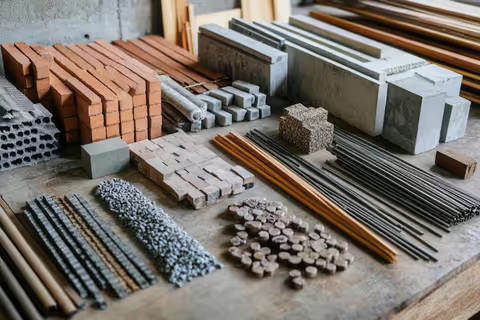
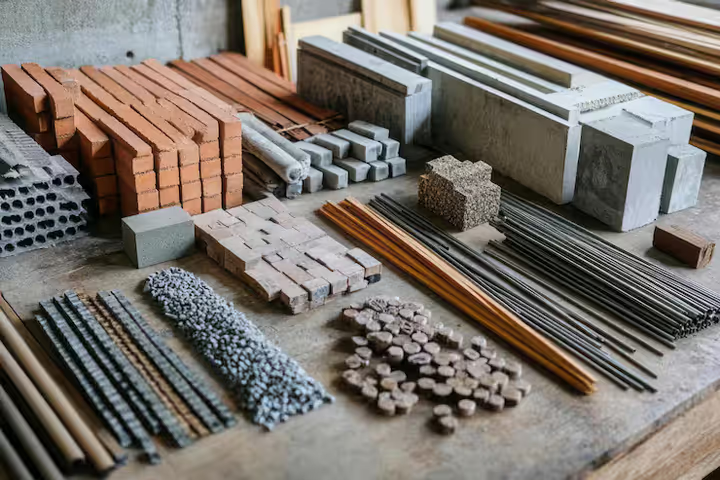
Building materials are the essential products used to construct residential buildings, commercial properties, industrial facilities, roads, and infrastructure. From concrete and steel to insulation, roofing products, glass, and sustainable materials, each material has a specific role in construction.
Understanding building materials is important for homeowners, architects, contractors, engineers, and property developers because material selection can affect construction costs, structural performance, energy efficiency, durability, maintenance, and long-term property value.
This guide explains the major types of building materials, their applications, benefits, selection factors, and recent developments in the construction industry.
What Are Building Materials?
Building materials are natural or manufactured substances used to construct, protect, finish, and maintain buildings and other structures.
Some materials provide structural strength, while others improve insulation, appearance, fire resistance, moisture protection, or energy efficiency.
Common examples include:
- Concrete
- Cement
- Steel
- Bricks
- Wood
- Glass
- Aluminum
- Stone
- Gypsum
- Roofing materials
- Insulation products
- Flooring materials
- Plumbing materials
- Electrical construction materials
The appropriate combination depends on the building's design, local climate, building codes, budget, and intended use.
Major Types of Building Materials
Concrete and Cement
Concrete is one of the most widely used construction materials. It is generally produced by combining cement, aggregates, water, and other components.
Concrete is commonly used for:
- Foundations
- Columns
- Beams
- Floors
- Roads
- Bridges
- Walls
- Industrial structures
Cement is an important binding component in concrete and mortar. Different cement and concrete formulations can be selected according to structural requirements and environmental conditions.
Steel
Steel is widely used when high strength and structural performance are required.
Structural steel can be used for:
- Building frames
- Roof structures
- Industrial buildings
- Warehouses
- Bridges
- Reinforcement
- Large commercial structures
Steel can provide a high strength-to-weight ratio and can be fabricated into different structural shapes.
Bricks and Blocks
Bricks and concrete blocks are commonly used for walls, partitions, and other masonry applications.
Traditional clay bricks are valued for their durability and familiar appearance, while concrete blocks can provide efficient construction for many types of buildings.
Wood and Timber
Wood is used in residential construction, interior applications, furniture, flooring, doors, roofing components, and decorative work.
Engineered wood products such as plywood, oriented strand board, and laminated timber can provide consistent dimensions and specialized structural properties.
Proper treatment and moisture management are important for maintaining wood products over time.
Glass
Glass is increasingly important in modern architecture. It can be used for:
- Windows
- Curtain walls
- Doors
- Skylights
- Interior partitions
- Facades
Different glass technologies can improve thermal performance, solar control, safety, and natural lighting.
Aluminum
Aluminum is lightweight, corrosion-resistant, and relatively easy to fabricate. It is commonly used for window frames, doors, roofing components, facades, and architectural systems.
Its low weight can also make transportation and installation easier in certain applications.
Stone
Natural stone can be used for exterior facades, flooring, walls, countertops, landscaping, and decorative applications.
Granite, marble, limestone, and sandstone are examples of commonly used natural stones. Selection generally depends on appearance, durability, porosity, maintenance requirements, and application.
How to Choose Building Materials
Choosing construction materials requires more than comparing purchase prices. The total cost and performance over the building's useful life should also be considered.
Strength and Structural Requirements
Structural materials must meet the requirements established by the building's design and applicable codes.
Engineers typically consider factors such as:
- Load capacity
- Tensile strength
- Compressive strength
- Wind loads
- Seismic conditions
- Environmental exposure
- Expected service life
Climate and Weather Conditions
Local climate can significantly affect material selection.
Buildings in areas with high humidity may require materials and construction systems with strong moisture-management characteristics. In colder climates, insulation and air sealing can become particularly important.
Energy Efficiency
Energy-efficient building materials can help reduce heating and cooling requirements.
Examples include:
- High-performance insulation
- Energy-efficient windows
- Reflective roofing
- Air-sealing products
- Thermal barriers
- High-performance glazing
These products can contribute to better building envelope performance when properly designed and installed.
Durability and Maintenance
A material with a low initial price may not always have the lowest lifetime cost.
Property owners and developers can consider:
- Expected service life
- Maintenance frequency
- Repair requirements
- Resistance to moisture
- Corrosion resistance
- Cleaning requirements
- Replacement costs
This approach is often referred to as life-cycle cost analysis.
Building Codes and Standards
Construction materials must comply with applicable building regulations and technical standards.
Requirements can vary by country, state, municipality, and building type. Professional designers and contractors should verify the requirements that apply to a specific project before selecting materials.
Building Materials for Energy-Efficient Buildings
Energy efficiency has become an important consideration in residential and commercial construction.
Insulation Materials
Insulation reduces heat transfer through the building envelope. Common options include fiberglass, mineral wool, rigid foam, and other specialized insulation products.
The appropriate product depends on factors such as climate, location within the building envelope, moisture exposure, fire requirements, and project design.
Energy-Efficient Windows
Windows can have a significant influence on heating, cooling, daylighting, and occupant comfort.
Features such as multiple glazing layers, low-emissivity coatings, insulated frames, and appropriate solar-control characteristics can improve window performance.
Roofing Materials
Roofing materials protect buildings from weather while also influencing thermal performance.
Depending on the building and climate, options may include:
- Metal roofing
- Asphalt shingles
- Clay tiles
- Concrete tiles
- Membrane roofing
- Reflective roofing systems
The best choice depends on factors such as climate, roof design, durability, maintenance, and local regulations.
Sustainable Building Materials
Sustainability is becoming an increasingly important consideration in construction and real estate development.
Recycled Materials
Some construction products incorporate recycled materials, helping reduce the demand for virgin resources.
Examples can include recycled steel, recycled-content insulation, recycled aggregates, and certain composite products.
Low-Carbon Concrete
Researchers and manufacturers are developing concrete technologies intended to reduce the greenhouse-gas emissions associated with conventional cement production.
Depending on the application, approaches may include supplementary cementitious materials, optimized mix designs, alternative binders, and improved manufacturing processes.
Responsibly Sourced Wood
Wood can be a renewable construction resource when forests are responsibly managed.
Certification programs and supply-chain documentation can help buyers evaluate the sourcing of wood products.
Reclaimed Building Materials
Reclaimed timber, bricks, architectural elements, and other materials can sometimes be reused in renovation and construction projects.
Reuse can reduce material waste while also providing distinctive architectural characteristics.
Building Materials and Construction Costs
Material selection can have a major effect on the overall construction budget.
However, material cost is only one part of the financial calculation.
A project budget may include:
- Material purchase costs
- Transportation
- Storage
- Labor
- Equipment
- Installation
- Waste
- Maintenance
- Repairs
- Replacement
For larger projects, contractors and developers may compare suppliers and specifications through procurement and estimating processes.
Understanding Total Cost
The cheapest material is not necessarily the most economical choice.
For example, a higher-performance building component may have a greater upfront price but reduce energy consumption or maintenance expenses over its useful life.
This is why life-cycle cost analysis can be useful when evaluating major building components.
Building Materials for Residential Construction
Residential projects commonly use a combination of materials rather than relying on a single material system.
Typical residential construction may include:
- Concrete foundations
- Steel reinforcement
- Masonry or framed walls
- Wood or steel structural components
- Insulation
- Roofing systems
- Glass windows
- Gypsum board
- Flooring products
- Plumbing materials
- Electrical materials
The exact combination depends on local construction practices, climate, architectural design, building codes, and project budget.
Building Materials for Commercial and Industrial Projects
Commercial and industrial buildings often have more demanding structural and operational requirements.
Materials may need to accommodate:
- Larger spans
- Higher loads
- Heavy equipment
- Fire-safety requirements
- Increased occupancy
- High traffic
- Specialized environmental conditions
Structural steel, reinforced concrete, insulated metal panels, concrete slabs, commercial roofing systems, and specialized flooring products are examples of materials used in these environments.
Modern Trends in the Building Materials Industry
Smart Building Products
Technology is increasingly being incorporated into building components.
Examples include smart windows, connected HVAC equipment, building sensors, energy-monitoring systems, and automated controls.
These technologies can provide information about energy consumption and building performance.
Prefabricated Construction
Prefabrication involves manufacturing components or assemblies in a controlled facility before transporting them to the construction site.
Potential advantages include:
- Improved manufacturing consistency
- Reduced on-site work
- Faster installation
- Better material management
- Reduced construction waste
Advanced Insulation
Manufacturers continue to develop insulation products with improved thermal performance and specialized applications.
Better insulation can support energy-efficient building envelopes when combined with proper air sealing, moisture control, and building design.
Digital Construction and Material Planning
Building Information Modeling (BIM), estimating software, and digital procurement systems are increasingly used to coordinate construction projects.
Digital tools can help project teams understand quantities, specifications, schedules, and potential conflicts before construction begins.
How Building Materials Affect Property Value
Material quality can influence the long-term performance and attractiveness of a property.
Durable roofing, energy-efficient windows, quality insulation, reliable plumbing systems, and properly designed structural components may contribute to lower maintenance requirements and improved occupant comfort.
However, property value is influenced by many factors, including location, market conditions, building design, condition, infrastructure, and demand.
Common Mistakes When Selecting Building Materials
Focusing Only on Initial Price
A low purchase price does not necessarily mean a low overall cost. Installation, maintenance, energy consumption, and replacement should also be considered.
Ignoring Local Climate
Materials should be appropriate for the environmental conditions where the building is located.
Choosing Materials Without Checking Standards
Products should meet the applicable specifications and regulatory requirements for their intended use.
Underestimating Installation Requirements
Some high-performance materials require specialized installation. Incorrect installation can reduce their expected performance.
Not Considering Maintenance
A material that requires frequent cleaning, coating, repair, or replacement may increase long-term ownership costs.
Frequently Asked Questions About Building Materials
What are the most common building materials?
Concrete, cement, steel, bricks, wood, glass, aluminum, stone, gypsum, insulation, and roofing products are among the most commonly used building materials.
Which building material is best for construction?
There is no single best material for every project. The appropriate choice depends on structural requirements, climate, building codes, budget, durability, energy performance, and design objectives.
What are sustainable building materials?
Sustainable building materials are products selected or designed to reduce environmental impacts while providing the required performance. Examples may include recycled-content products, responsibly sourced wood, reclaimed materials, and lower-carbon construction products.
How can building materials reduce energy costs?
Materials such as insulation, efficient windows, air-sealing products, and appropriate roofing systems can improve the building envelope. Better envelope performance can reduce the amount of energy required for heating and cooling.
Why is material quality important?
Material quality can affect structural performance, durability, safety, maintenance requirements, energy efficiency, and the expected service life of a building.
Conclusion
Building materials form the foundation of modern construction. From concrete and structural steel to insulation, glass, roofing, and sustainable products, each material contributes different performance characteristics to a building.
Selecting the right materials requires consideration of strength, durability, energy efficiency, climate, building regulations, installation requirements, maintenance, and total life-cycle cost.
As construction technology develops, the industry is also seeing greater interest in sustainable materials, prefabrication, energy-efficient building products, digital construction tools, and lower-carbon manufacturing processes. Understanding these developments can help property owners, builders, and professionals make better-informed decisions about construction and renovation projects.