A Guide to Choosing Mining Equipment for Surface and Underground Operations
Selecting the right equipment for mining operations can significantly influence the success and efficiency of the entire mining process. Different types of mining operations require distinct kinds of equipment due to varying environmental conditions, types of minerals, and the geographical characteristics of the mine site. Therefore, understanding how to evaluate and choose the right equipment for surface and underground operations is crucial for any mining operation.
The first major consideration in selecting equipment is the type of mining operation, whether it is surface or underground. Surface mining typically involves the removal of large stretches of soil and bedrock to access the desired minerals, making it suitable for open-pit and strip mining operations. In contrast, underground mining requires specialized equipment to reach minerals deep beneath the surface, employing techniques such as shaft sinking and room and pillar mining. Each of these methods demands different types of machinery designed to perform specific tasks efficiently and safely.
For surface mining operations, the choice of equipment depends largely on the type of material being mined and the overall scope of the operation. Common equipment used in surface mining includes draglines, shovels, loaders, haul trucks, and drills. Draglines and shovels are used for removal and loading of overburden, while haul trucks transport the material to processing facilities. Drills are essential for creating blast holes in the rock, and their size and capacity depend on the mineral being extracted and the desired fragmentation level. When choosing equipment for surface mining, it is important to consider the terrain and climate of the site, as these factors can impact machinery performance and maintenance needs.
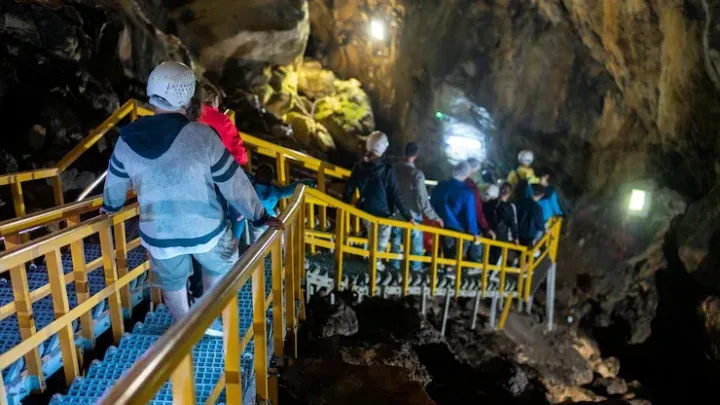
In underground mining, equipment selection is influenced by the mining method, the size and shape of the ore body, and ground stability. Common equipment includes continuous miners, longwall shearers, roof bolters, and shuttle cars. Continuous miners are used for excavation in room and pillar mining, effectively slicing through mineral deposits. Longwall shearers are critical in longwall mining operations, where they remove large panels of material. Meanwhile, roof bolters provide ground support and shuttle cars facilitate material transport. The size and maneuverability of equipment play a significant role in underground mining, where space constraints can limit large machinery use. Operating conditions such as ventilation and lighting also impact equipment choice, as ensuring worker safety is a top priority.
Another key factor in equipment selection is the anticipated production rate and the mine's operational lifetime. Equipment must be capable of handling the desired production volume without frequent interruptions or downtime. Operators should evaluate machinery based on its productivity, reliability, and maintenance requirements. Equipment that offers versatile operation and can adapt to changing mine conditions or production demands is often favored, as it can extend the lifespan and utility of the investment.
Financial considerations also influence equipment selection. The initial purchase price, ongoing operational costs, and potential resale value should all be weighed in the decision-making process. Advanced technology and automation can offer significant efficiency gains and labor savings in both surface and underground mining, though these options often come with a higher upfront cost. Leasing or renting equipment might be a feasible option for projects with a limited lifespan or where capital expenses need to be minimized.
Safety remains an overriding concern for any mining operation, and equipment must meet rigorous safety standards and regulations. Features such as ergonomic design, emergency shut-down systems, and machinery tracking need careful consideration. Advanced collision avoidance systems and remote operation capabilities can also enhance safety by reducing the need for human presence in hazardous areas. Operators should ensure that equipment suppliers provide training and support in safety best practices to mitigate potential risks and maintain safe operational standards.
Environmental factors play an increasingly vital role in equipment selection. Regulations and industry trends push for sustainable and environmentally friendly mining practices, with equipment manufacturers offering machines that produce lower emissions, reduce fuel consumption, and have minimal impact on surrounding ecological systems. Evaluating equipment for its environmental footprint and compliance with local and international standards is essential for reducing the environmental impact of mining operations.
Finally, the choice of supplier can have a substantial impact on equipment purchasing decisions. Working with reputable suppliers who provide comprehensive documentation, aftermarket support, and training services can streamline implementation and ensure smooth maintenance and repair processes. Understanding the supplier’s track record and customer service commitment is key to building a reliable, long-term partnership.
In conclusion, selecting the right mining equipment for surface and underground operations involves various considerations, including mining method, operation scope, financial factors, safety, and environmental impact among others. Comprehensive evaluation and strategic decision-making are necessary to optimize equipment efficiency, lifespan, and cost-effectiveness, ensuring the success and sustainability of mining operations.