Yarn Manufacturing Equipment: Key Features for Better Production
Yarn manufacturing equipment includes the machines and systems used to transform natural or synthetic fibers into yarn with controlled thickness, strength, twist, and other characteristics.
A typical production line may include fiber-opening, cleaning, carding, drawing, roving, spinning, winding, and testing equipment.
The exact machinery depends on the fiber type and the yarn being produced. Cotton, wool, polyester, viscose, and blended fibers can require different preparation and spinning arrangements. Modern systems increasingly combine mechanical equipment with electronic controls, sensors, automation, and quality-monitoring technologies.
Why Yarn Manufacturing Equipment Matters
Yarn quality depends on several factors, including fiber properties, blending, alignment, twist, tension, and winding. Each stage of production influences the condition of the material entering the next stage.
Well-coordinated equipment helps maintain consistent processing conditions throughout the production line. For example, fiber preparation affects cleanliness and alignment, while spinning controls influence yarn strength, uniformity, and twist.
Understanding the role of each machine makes it easier to evaluate a complete yarn production system rather than considering individual machines separately.
How Yarn Manufacturing Equipment Works
A conventional spinning process can involve several stages:
- Opening: Compressed fiber bales are opened and separated into smaller tufts.
- Cleaning: Foreign matter and unwanted particles are removed.
- Carding: Fibers are separated, aligned, and formed into a continuous web or sliver.
- Drawing: Several slivers can be combined and drafted to improve fiber alignment and uniformity.
- Roving: The fiber strand can be attenuated and given a small amount of twist before final spinning.
- Spinning: Fibers are drafted and twisted to form yarn.
- Winding: Yarn is transferred onto packages suitable for subsequent textile processes.
- Testing: Yarn properties are checked against required specifications.
Not every yarn-production method uses all these stages. Rotor spinning, air-jet spinning, and other technologies have different process arrangements.
Main Types of Yarn Manufacturing Equipment
Fiber Opening and Cleaning Machines
These machines prepare compressed fiber material for subsequent processing.
Opening equipment separates fiber tufts, while cleaning systems remove unwanted particles. The objective is to create a more consistent feed for carding and other preparation stages.
Carding Machines
Carding machines separate and align individual fibers while removing remaining impurities.
The resulting sliver provides a more organized fiber stream for drawing or subsequent processing.
Drawing Machines
Drawing systems combine and attenuate slivers to improve uniformity and fiber alignment.
Drafting rollers control the movement and reduction of the fiber strand.
Roving Machines
Roving equipment prepares a thinner strand with controlled twist for certain spinning processes.
It is commonly associated with ring-spinning production, although other spinning technologies can use different preparation methods.
Spinning Machines
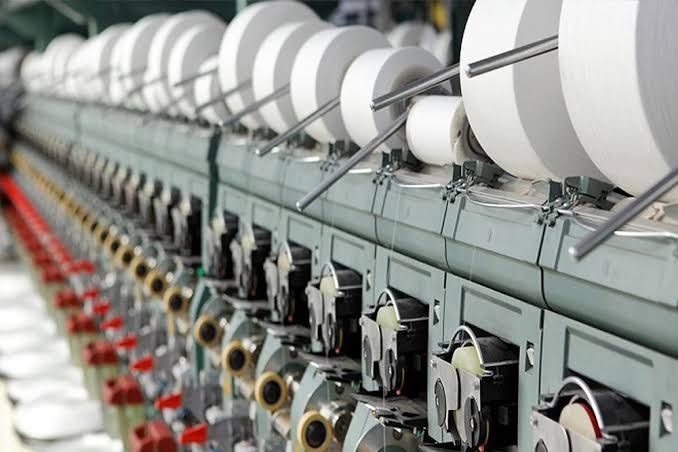
Spinning machines convert prepared fiber into yarn by controlling drafting and twist.
Common technologies include ring spinning, rotor spinning, and air-jet spinning. Each method produces yarn with different characteristics and has different equipment requirements.
Winding Machines
Winding equipment transfers yarn from spinning packages to larger or application-specific packages.
Modern winders can incorporate sensors that detect selected yarn faults and support automated package handling.
Key Features of Yarn Manufacturing Equipment
Automated Process Control
Modern equipment can use electronic control systems to regulate machine speed, drafting, tension, temperature, and other operating parameters.
Automation can also coordinate multiple production stages and provide operators with information about machine status.
Precision Drafting
Drafting controls the reduction and alignment of the fiber strand.
Accurate drafting is important because variations can affect yarn count, evenness, and other characteristics.
Yarn Tension Control
Controlled tension helps maintain consistent yarn formation during spinning and winding.
Excessive or unstable tension can contribute to yarn breaks and package irregularities.
Electronic Monitoring
Sensors can monitor conditions such as yarn breaks, package formation, machine speed, vibration, and selected yarn characteristics.
Monitoring systems can help identify process changes before they develop into larger production problems.
Energy Management
Motors, fans, compressors, suction systems, and other equipment contribute to energy consumption.
Modern production planning can consider energy requirements alongside production capacity and machine configuration.
Important Yarn Manufacturing Equipment Specifications
| Specification | Importance |
|---|---|
| Production capacity | Indicates material processed per unit of time |
| Spindle speed | Influences spinning conditions |
| Rotor speed | Important for rotor-spinning operation |
| Drafting range | Determines fiber attenuation capability |
| Yarn count range | Indicates suitable yarn thickness |
| Number of spindles | Influences overall production configuration |
| Number of rotors | Important for rotor systems |
| Winding speed | Influences package production |
| Automation level | Determines control and monitoring capabilities |
| Power requirement | Supports facility and energy planning |
Specifications should be considered together because fiber type, yarn count, twist, machine speed, and production capacity are interconnected.
Factors That Affect Yarn Production
Fiber Properties
Fiber length, strength, fineness, maturity, surface characteristics, and moisture can influence processing behavior.
Natural fibers can also vary between batches, making fiber preparation and blending important parts of production.
Yarn Count
Yarn count describes yarn fineness or linear density using different measurement systems.
Equipment settings need to correspond with the desired yarn count and spinning technology.
Twist
Twist binds fibers together and influences yarn strength, appearance, handle, and other properties.
The required twist level depends on the fiber, yarn construction, and intended application.
Moisture and Humidity
Fiber and yarn behavior can change with environmental humidity.
Textile facilities may therefore control temperature and humidity around sensitive production stages.
Machine Maintenance
Needles, drafting components, rollers, spindles, rotors, bearings, sensors, suction systems, and other components require appropriate inspection and maintenance.
Machine condition can influence yarn breaks, unevenness, vibration, and production stability.
Yarn Manufacturing Equipment vs. Textile Weaving Machines
Yarn production and fabric weaving are separate stages in conventional textile manufacturing.
| Feature | Yarn Manufacturing Equipment | Textile Weaving Machines |
|---|---|---|
| Main function | Converts fibers into yarn | Converts yarn into woven fabric |
| Primary material | Natural or synthetic fibers | Warp and weft yarn |
| Main processes | Opening, carding, drawing, spinning | Shedding, weft insertion, beat-up |
| Key output | Yarn | Woven fabric |
| Important variables | Count, twist, strength, evenness | Width, density, weave structure |
| Common technologies | Ring, rotor, air-jet spinning | Rapier, air-jet, water-jet, projectile |
Both equipment categories are connected within the textile production chain, but they perform different manufacturing functions.
Applications of Yarn Manufacturing Equipment
Cotton Yarn Production
Cotton-spinning systems process prepared cotton fibers into yarn for apparel, home textiles, and other woven or knitted products.
Synthetic Yarn Production
Synthetic fibers such as polyester and other manufactured fibers can be processed using equipment designed for their specific properties.
Blended Yarn Production
Different fiber types can be combined to produce yarn with selected characteristics.
Blending systems help establish the desired fiber proportions before spinning.
Technical Yarn Production
Specialized yarns used in industrial and technical applications may require specific fiber preparation and spinning arrangements.
Recycled Fiber Processing
Recycled textile fibers can require specialized preparation because fiber length and uniformity may differ from virgin fibers.
Best Practices for Selecting Yarn Manufacturing Equipment
- Identify the fiber type: Determine whether the line will process cotton, wool, synthetic fibers, blends, or recycled materials.
- Define the yarn count range: Match the equipment with the required yarn thickness.
- Select the spinning technology: Compare ring, rotor, air-jet, or other processes according to yarn requirements.
- Determine production capacity: Consider expected output and operating schedule.
- Review automation: Evaluate sensors, controls, automated handling, and production monitoring.
- Assess energy requirements: Include motors, suction, compressed air, and other utilities.
- Consider fiber preparation: Ensure opening, cleaning, carding, and drawing stages are appropriate for the material.
- Evaluate quality monitoring: Check available systems for detecting yarn faults and process changes.
- Review maintenance requirements: Consider access to critical mechanical and electronic components.
- Plan the complete production line: Ensure machines from each stage are compatible with one another.
Who Is Yarn Manufacturing Equipment Suitable For?
Yarn manufacturing equipment is relevant to spinning mills, textile manufacturers, fiber-processing facilities, blended-yarn producers, and technical textile operations.
The appropriate configuration depends on fiber type, yarn count, production volume, spinning method, quality requirements, automation level, and available plant infrastructure.
A cotton ring-spinning line may have significantly different requirements from a synthetic-fiber or rotor-spinning operation.
Frequently Asked Questions
What is yarn manufacturing equipment?
Yarn manufacturing equipment includes the machines used to prepare fibers, align them, draft them, spin them into yarn, wind the finished yarn, and test its properties.
What are the main machines used in yarn manufacturing?
Common equipment includes opening and cleaning machines, carding machines, drawing machines, roving machines, spinning machines, winding machines, and testing equipment.
What factors affect yarn quality?
Fiber properties, blending, carding, drafting, twist, yarn tension, moisture, machine settings, and equipment condition can all influence yarn quality.
What are the main types of spinning equipment?
Common spinning technologies include ring spinning, rotor spinning, and air-jet spinning. Each uses a different method for converting prepared fibers into yarn.
How should yarn manufacturing equipment be selected?
Selection should consider fiber type, yarn count, required production capacity, spinning method, automation, energy requirements, quality-monitoring capabilities, maintenance, and the complete production process.
Conclusion
Yarn manufacturing equipment forms the foundation of many textile production processes by transforming natural or synthetic fibers into controlled yarn structures. The production sequence can include opening, cleaning, carding, drawing, roving, spinning, winding, and testing, depending on the yarn technology.
Key factors such as fiber properties, yarn count, twist, machine speed, drafting accuracy, tension control, automation, and maintenance influence production results. Selecting equipment as part of an integrated production line helps ensure that each processing stage supports the requirements of the next.
Understanding these machines and their key features provides a useful foundation for evaluating yarn production technologies for different textile applications.