Woman Workwear Style Trends Explained: An Overview, Basics, and Key Insights
Woman workwear style trends refer to the evolving patterns, standards, and design approaches used in professional clothing for women across industries. These trends reflect how workplaces balance professionalism, comfort, identity, and functionality.
Over time, women’s workwear has moved from rigid dress codes toward more flexible and inclusive styles, shaped by cultural shifts, workforce diversity, and modern office environments.
Historically, workwear for women was designed primarily to mirror men’s formal clothing, often limiting comfort and expression. As women’s participation in diverse professional roles expanded, workwear styles adapted to support mobility, practicality, and confidence. Today, workwear trends represent a blend of tailored structure and adaptable design.
The topic exists because professional clothing is not only functional but also communicates credibility, role clarity, and workplace alignment. Workwear trends help organizations and individuals navigate changing expectations without compromising professionalism.
Importance: Why Woman Workwear Trends Matter Today
Woman workwear trends matter because they directly affect daily professional experiences across corporate offices, education, healthcare, technology, and remote workplaces. Clothing choices influence perception, comfort, and productivity, making workwear a practical consideration rather than a purely aesthetic one.
Modern work environments are more diverse than ever. Workwear trends address challenges such as long working hours, varied physical tasks, climate considerations, and hybrid work settings. They also reflect broader conversations about inclusion, body diversity, and cultural sensitivity.
Key reasons these trends are important include:
-
Supporting professional identity across industries
-
Reducing discomfort caused by outdated dress standards
-
Aligning appearance with modern workplace culture
-
Enabling consistency across in-person and virtual settings
The relevance of workwear trends extends beyond individual preference. Organizations use dress frameworks to reinforce professionalism while allowing flexibility. Understanding these trends helps individuals make informed wardrobe decisions that align with evolving workplace norms.
Recent Updates: Shifts Observed Over the Past Year
Over the past year, women’s workwear trends have continued to adapt to post-pandemic workplace realities. From early 2024 through early 2025, several noticeable shifts emerged across global professional environments.
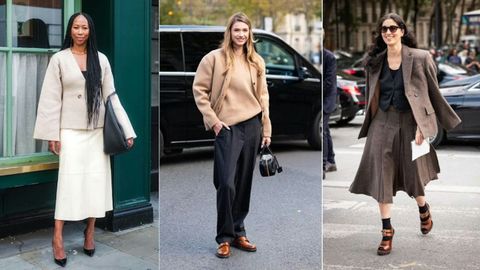
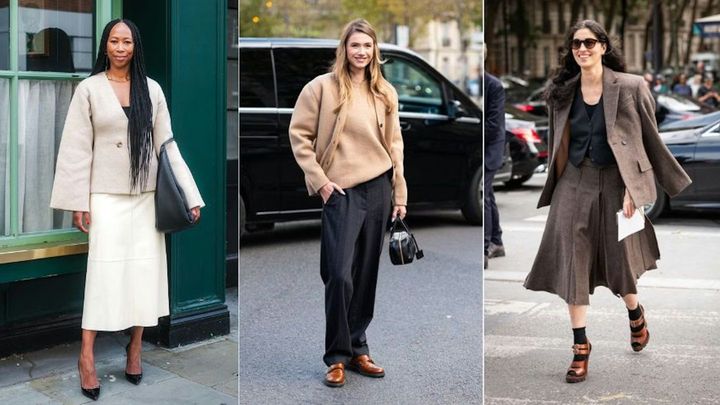
One significant update has been the continued normalization of hybrid workwear. Clothing designed to transition between home offices and formal meetings gained attention, emphasizing polished yet relaxed silhouettes. Structured blazers paired with softer fabrics became more common.
Another trend observed in mid to late 2024 was increased focus on neutral palettes with subtle variation. Earth tones, muted blues, and soft grays replaced highly contrasting colors, aligning with minimalist professional aesthetics.
Sustainability awareness also influenced design choices in 2024. Many discussions around workwear highlighted fabric longevity, versatility, and reduced wardrobe redundancy. While not promotional, these conversations shaped how professionals evaluated clothing durability and adaptability.
The table below summarizes recent trend directions:
| Trend Area | Observed Shift (2024–2025) | Practical Impact |
|---|---|---|
| Silhouettes | Relaxed tailoring | Improved comfort |
| Color palettes | Muted neutrals | Easier coordination |
| Fabric focus | Breathable blends | All-day wearability |
| Styling approach | Mix-and-match pieces | Wardrobe flexibility |
These updates reflect broader lifestyle changes rather than short-term fashion cycles.
Laws or Policies: How Regulations Influence Workwear
Woman workwear trends are influenced by workplace regulations, safety standards, and equality policies rather than fashion laws. In many countries, including India, workplace dress expectations intersect with labor guidelines and organizational policies.
Employment laws generally emphasize non-discrimination and equal opportunity. Dress codes are expected to be gender-neutral in intent, avoiding restrictive standards that disproportionately affect women. This has encouraged more inclusive workwear frameworks across sectors.
Health and safety regulations also play a role. In manufacturing, healthcare, and laboratory environments, workwear must align with safety norms such as closed footwear or protective layering. These requirements influence how trends develop within specific professions.
Government programs promoting workplace inclusion have indirectly affected workwear discussions. Policies encouraging women’s workforce participation highlight the need for practical and respectful professional environments, including appropriate dress standards.
Overall, while laws do not dictate styles, they establish boundaries that ensure fairness, safety, and dignity, shaping how workwear trends evolve responsibly.
Tools and Resources: Helpful References for Understanding Workwear
Several neutral tools and informational resources help professionals understand and plan workwear choices. These tools focus on organization, guidance, and workplace alignment rather than promotion.
Commonly used resources include:
-
Digital wardrobe planners for outfit coordination
-
Professional dress code guides published by industry associations
-
Climate-based clothing calculators for fabric selection
-
Corporate appearance handbooks and internal policy templates
-
Educational articles on professional attire standards
These resources support informed decision-making by aligning clothing choices with role requirements, environment, and professional expectations.
A simplified example of how professionals evaluate workwear elements is shown below:
| Workwear Element | Purpose | Key Consideration |
|---|---|---|
| Upper wear | Professional appearance | Fit and fabric |
| Bottom wear | Mobility | Length and comfort |
| Footwear | Safety and formality | Workplace surface |
| Layering | Temperature control | Adaptability |
Using structured references helps reduce uncertainty around daily professional dressing.
FAQs: Common Questions About Woman Workwear Trends
How often do woman workwear trends change?
Workwear trends evolve gradually rather than seasonally. Most changes occur over several years, influenced by workplace culture and lifestyle shifts.
Are workwear trends the same across all industries?
No. Corporate offices, healthcare, education, and technical fields each follow different standards based on function, safety, and interaction levels.
Do workwear trends affect professional credibility?
Yes. Clothing aligned with workplace norms can support credibility, while extreme deviations may distract from professional roles.
Is comfort considered part of modern workwear trends?
Comfort has become a key consideration, especially with longer working hours and hybrid work arrangements.
Can workwear trends apply to remote or virtual settings?
Yes. Upper-body presentation, color choices, and simple structure are often emphasized for virtual professional interactions.
Conclusion: Key Insights on Woman Workwear Style Trends
Woman workwear style trends reflect more than changing clothing preferences. They represent how modern workplaces adapt to evolving professional roles, cultural values, and practical needs. By balancing structure with flexibility, current trends support professionalism without unnecessary rigidity.
Understanding these trends helps individuals navigate workplace expectations with confidence and clarity. It also allows organizations to foster inclusive environments that respect comfort, safety, and professional identity.