Thermal Barrier Coatings: An Overview of Their Uses and Properties
Thermal barrier coatings are specialized layers applied to surfaces that experience elevated temperatures.
They are designed to reduce heat transfer into an underlying material and provide protection against thermal exposure, oxidation, corrosion, and related forms of degradation. These coatings are used in equipment where controlling surface temperature can influence durability, efficiency, and operating conditions.
The development of thermal barrier coatings is closely connected with advances in high-temperature engineering. As engines, turbines, industrial furnaces, and other equipment began operating under increasingly demanding thermal conditions, engineers developed coating systems that could protect metal components from direct exposure to extreme heat.
How Thermal Barrier Coatings Work
A thermal barrier coating system normally contains several layers rather than one uniform coating. A typical arrangement may include a metallic substrate, a bond coat, and a ceramic top layer. Each layer has a different function within the overall system.
Ceramic thermal barrier coatings are commonly used because many ceramic materials have relatively low thermal conductivity and can remain stable at elevated temperatures. The coating creates a thermal resistance layer between a hot environment and the underlying component.
Common Thermal Barrier Coating Materials
Thermal barrier coating materials vary according to the operating environment, temperature range, mechanical requirements, and substrate. Ceramic materials based on stabilized zirconia have been widely used because they combine thermal insulation characteristics with suitable high-temperature behavior.
Other coating compositions are being studied for environments where conventional materials may experience limitations. Material selection can involve factors such as thermal conductivity, thermal expansion, chemical stability, erosion resistance, and compatibility with the underlying component.
| Coating characteristic | Main purpose |
|---|---|
| Low thermal conductivity | Limits heat transfer |
| Thermal stability | Supports exposure to elevated temperatures |
| Thermal expansion compatibility | Helps reduce coating stress |
| Chemical resistance | Helps withstand reactive environments |
| Surface durability | Supports resistance to wear and erosion |
| Layer adhesion | Maintains connection with the substrate |
Importance
Thermal protection is important in equipment that operates under sustained or changing heat loads. Excessive heat can affect material strength, accelerate oxidation, change dimensions, and contribute to fatigue or other forms of deterioration.
Industrial thermal barrier coatings are therefore relevant to several sectors, including power generation, transportation, manufacturing, energy, and aerospace. Their role is not simply to create an insulating surface; the entire coating structure must remain compatible with the component and its operating environment.
Applications in Engines and Turbines
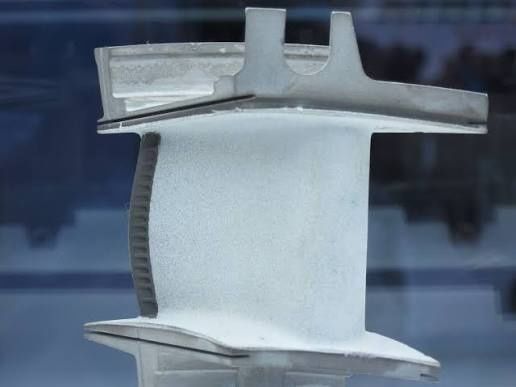
Aerospace thermal barrier coatings are used on selected engine components that encounter high-temperature gases. Turbine thermal barrier coatings can help protect turbine components by reducing the amount of heat reaching the underlying metal.
Engine thermal protection coatings can also be used on components exposed to elevated combustion temperatures. Their application requires attention to coating thickness, surface preparation, thermal cycling, and the interaction between different layers.
Industrial Heat Protection
Industrial heat resistant coatings can be applied to components used around furnaces, combustion equipment, heating systems, and other high-temperature processes. High temperature protective coatings can help limit thermal exposure while also addressing environmental factors such as oxidation.
Industrial thermal protection coatings may be part of a wider equipment design rather than an isolated treatment. Their performance depends on operating temperature, coating structure, substrate condition, application method, and maintenance practices.
Managing Thermal Cycling
Equipment does not always remain at one temperature. Components may repeatedly heat up and cool down during normal operation. These changes can create expansion and contraction that place mechanical stress on a coating.
A suitable coating system therefore needs to account for differences in thermal expansion between the coating and substrate. Cracking, delamination, surface erosion, and other forms of damage can occur when stresses become significant.
Recent Updates
Recent developments in thermal barrier coatings have generally focused on improving material composition, coating architecture, manufacturing processes, and resistance to complex operating environments. Research has increasingly examined coatings that can tolerate higher temperatures while maintaining structural stability during repeated thermal exposure.
Development of Advanced Ceramic Systems
Advanced ceramic coating systems are being investigated for applications where conventional ceramic layers may face limitations. Researchers are examining new compositions, multilayer structures, and engineered microstructures to influence thermal conductivity, durability, and resistance to environmental damage.
High temperature ceramic coatings may also be designed with specific surface characteristics. Porosity, grain structure, layer thickness, and chemical composition can all affect how a coating responds to heat and mechanical stress.
Thermal Spray Technology
Thermal spray coating systems remain an important method for producing protective layers. In thermal spraying, coating material is heated or softened and propelled toward a prepared surface, where it forms a layer as deposited particles accumulate.
Thermal spray coating equipment can use different techniques, including plasma spraying and other specialized processes. The choice of technique depends on the coating material, substrate, required thickness, component geometry, and operating environment.
More Complex Coating Structures
Advanced thermal spray coatings increasingly involve multilayer designs rather than a single protective layer. A bond layer can improve attachment between the substrate and ceramic coating, while additional layers may address thermal, chemical, or mechanical requirements.
Complete thermal barrier coating systems can therefore involve several materials and processing stages. Quality control may include inspection of coating thickness, adhesion, surface condition, porosity, and defects.
Tools and Resources
Understanding thermal barrier coatings can involve educational resources, material databases, engineering references, and coating-process documentation. These resources help explain how materials behave under heat and how different application methods are used.
Material and Engineering Resources
Useful resources include materials property databases, engineering handbooks, technical standards, research publications, and manufacturer technical documentation. These references can provide information about thermal conductivity, thermal expansion, temperature resistance, coating structures, and material compatibility.
Calculation tools can also help with basic thermal analysis. For example, a heat-transfer calculator can illustrate how material thickness and thermal conductivity influence heat flow. Such calculations are simplified representations and may not account for the complete behavior of a working coating system.
Coating Process Resources
Technical documentation for thermal spray coating equipment can explain process parameters such as spray distance, particle velocity, feed rate, substrate preparation, and deposition conditions. Process diagrams and inspection checklists can also help readers understand the stages involved.
Common resources include:
- Thermal conductivity calculators for basic heat-transfer comparisons.
- Material property databases for reviewing engineering characteristics.
- Coating thickness measurement references for inspection concepts.
- Thermal spray process guides for understanding deposition methods.
- Technical standards for coating evaluation and testing.
- Research databases containing studies on ceramic and high-temperature coatings.
FAQs
What are thermal barrier coatings used for?
Thermal barrier coatings are used to reduce heat transfer and protect components exposed to elevated temperatures. Applications include selected engine, turbine, industrial heating, and aerospace components.
What materials are used in thermal barrier coating systems?
Thermal barrier coating materials commonly include ceramic compositions, particularly stabilized zirconia-based materials. Metallic bond coats and other layers may also form part of a complete coating structure.
How do ceramic thermal barrier coatings protect components?
Ceramic thermal barrier coatings provide a layer with relatively low thermal conductivity between a hot environment and the underlying component. This reduces heat transfer while the coating system also helps manage thermal and environmental exposure.
What are thermal spray coating systems?
Thermal spray coating systems are processes used to deposit protective materials onto prepared surfaces. Different thermal spray methods use different heat sources and process conditions to form coatings with particular characteristics.
Where are industrial thermal barrier coatings used?
Industrial thermal barrier coatings can be used on selected components exposed to high temperatures in furnaces, turbines, combustion equipment, heating systems, and other industrial environments. The appropriate coating depends on the substrate and operating conditions.
Conclusion
Thermal barrier coatings are engineered protective layers designed to manage heat exposure and protect components operating at elevated temperatures. Their structure can include ceramic top layers, bond coats, and other materials selected for specific thermal and mechanical conditions. Developments in ceramic materials, thermal spray processes, and multilayer coating structures continue to expand the technical possibilities of high-temperature protection. Understanding coating materials, application methods, thermal cycling, and operating conditions provides useful context for evaluating these systems.