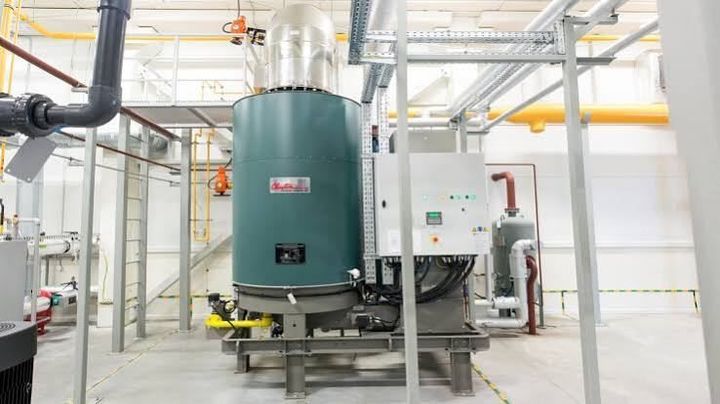
Steam Generation Systems: Types, Components, and Uses
Steam generation systems produce steam by transferring heat to water under controlled conditions.
The resulting steam can be used for process heating, power generation, sterilization, drying, humidification, and other industrial operations.
A steam generation system may include a boiler or steam generator, burner or heat source, feedwater equipment, pumps, controls, piping, safety devices, and steam distribution equipment. System configuration depends on steam pressure, capacity, fuel source, water quality, and application requirements.
Understanding the types, components, and uses of steam generation systems helps explain how industrial facilities produce and manage steam.
What Are Steam Generation Systems?
Steam generation systems are integrated arrangements designed to convert water into steam and deliver it at specified pressure and temperature conditions.
Heat can be supplied through combustion, electrical energy, waste heat, solar thermal energy, or other heat sources. In conventional industrial systems, a boiler transfers heat from a combustion process to water contained within tubes or a vessel.
The generated steam then moves through a distribution network to the equipment where it is required.
How Steam Generation Systems Work
The steam generation process generally involves several stages.
1. Feedwater Preparation
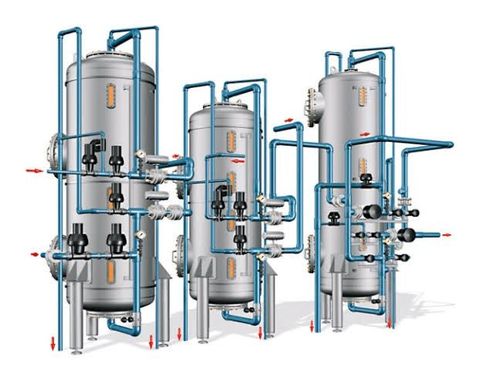
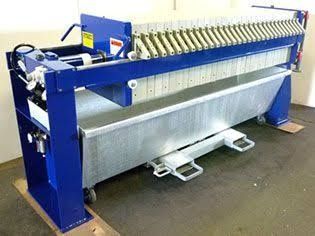
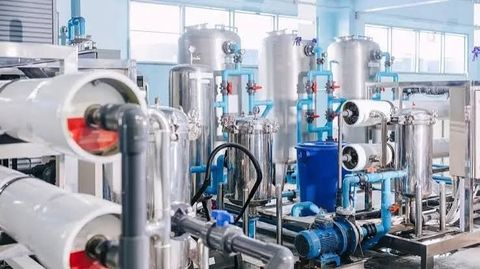
Water enters the system as feedwater. It may pass through filtration, softening, demineralization, deaeration, or other treatment processes depending on the required water quality.
Proper water treatment helps reduce scale, corrosion, and other problems within the steam system.
2. Feedwater Pumping
A feedwater pump moves treated water into the boiler or steam generator. The pump must provide sufficient pressure to overcome the operating pressure of the steam-generating equipment.
3. Heat Input
A heat source transfers energy to the water. In fuel-fired systems, a burner produces combustion heat. Other systems may use electricity or recovered waste heat.
4. Water Heating
The incoming water absorbs heat and its temperature increases. As additional heat is transferred, the water reaches its boiling conditions at the operating pressure.
5. Steam Formation
Water changes from liquid to vapor as sufficient heat is supplied. The steam may then be separated from remaining water within the boiler or steam generator.
6. Steam Conditioning
Depending on the application, steam may be superheated, dried, pressure-reduced, or otherwise conditioned before entering the distribution system.
7. Steam Distribution
Steam travels through insulated pipes toward process equipment, turbines, heat exchangers, sterilizers, dryers, or other users.
8. Condensate Return
After transferring heat, steam can condense back into water. The condensate may be collected and returned to the steam generation system for reuse.
Main Types of Steam Generation Systems
Fire-Tube Boiler Systems
In fire-tube boilers, hot combustion gases pass through tubes surrounded by water.
These systems are commonly used for applications requiring moderate steam capacity and pressure.
Water-Tube Boiler Systems
Water-tube boilers circulate water through tubes while hot gases flow around the tubes.
They are commonly used for higher-pressure and higher-capacity steam generation applications.
Electric Steam Generators
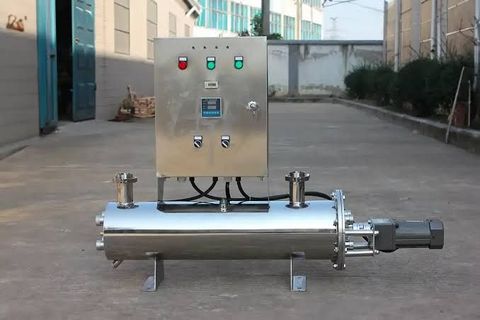
Electric steam generators use electrical energy to heat water and produce steam.
They can be used where electrical power is available and direct fuel combustion is undesirable or impractical for the application.
Waste Heat Steam Generation Systems
Waste heat systems recover thermal energy from hot exhaust gases or industrial processes to generate steam.
They can be integrated with furnaces, turbines, engines, kilns, and other high-temperature equipment.
Once-Through Steam Generators
Once-through systems circulate water through the heating path without relying on a large steam drum for continuous separation.
They can be designed for rapid steam production and specific pressure requirements.
Comparison of Steam Generation Types
| System Type | Heat Transfer Method | Typical Application |
|---|---|---|
| Fire-tube boiler | Hot gases through tubes | General industrial steam |
| Water-tube boiler | Water through tubes | Higher pressure and capacity |
| Electric generator | Electrical heating | Specialized process steam |
| Waste heat system | Recovered process heat | Industrial heat recovery |
| Once-through generator | Continuous water flow | Rapid steam generation |
Main Components of Steam Generation Systems
Boiler or Steam Generator
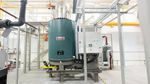
The boiler or steam generator is the primary component where heat is transferred to water to create steam.
Burner
Fuel-fired systems use burners to generate combustion heat. Burner operation is controlled according to steam demand and combustion requirements.
Feedwater Pump
The feedwater pump delivers treated water to the boiler at the required pressure.
Economizer
An economizer can recover heat from boiler exhaust gases to preheat incoming feedwater.
Superheater
A superheater adds additional heat to steam after it has formed. This produces steam with a higher temperature than saturated steam at the same pressure.
Steam Drum
Water-tube boilers may use a steam drum to separate steam from water and support circulation within the boiler system.
Water Treatment Equipment
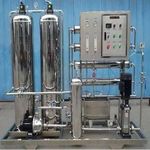
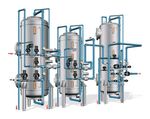
Water treatment equipment prepares feedwater by controlling hardness, dissolved minerals, oxygen, and other characteristics that can affect boiler operation.
Control System
Controllers monitor and regulate parameters such as pressure, temperature, water level, fuel flow, and combustion conditions.
Safety Valves
Safety valves provide pressure protection by releasing steam when pressure reaches a configured limit.
Steam Piping
Steam piping transports generated steam from the boiler or generator to downstream equipment.
Factors Affecting Steam Generation
Steam Pressure
Required pressure depends on the process or equipment using the steam. Higher-pressure systems require appropriate boiler design and pressure-rated components.
Steam Capacity
Steam capacity determines how much steam the system can produce within a specified period.
Feedwater Quality
Poor water quality can contribute to scaling, corrosion, foaming, and other operational problems.
Fuel Type
Fuel characteristics influence burner configuration, combustion control, emissions, and heat transfer.
Heat Demand
Steam demand can change throughout the operating day. The generation system should be capable of responding to changing process requirements.
Return Condensate
Returning condensate can reduce the amount of fresh feedwater and energy required to bring incoming water to operating conditions.
Applications of Steam Generation Systems
Power Generation
Steam can drive turbines that convert thermal energy into mechanical and electrical energy.
Chemical Processing
Steam is used for process heating, distillation, stripping, reaction control, and other operations in chemical facilities.
Food and Beverage Processing
Steam can support cooking, sterilization, pasteurization, cleaning, drying, and temperature control.
Pharmaceutical Manufacturing
Steam can be used for sterilization, clean-process heating, humidification, and equipment sanitation where applicable.
Textile Manufacturing
Steam supports dyeing, finishing, drying, pressing, and other textile-processing operations.
Pulp and Paper
Steam can provide heat for pulp processing, evaporation, drying, and paper production.
Refining and Petrochemical Processing
Steam can support heating, stripping, process control, and utility requirements across refining and petrochemical facilities.
Automation and Monitoring
Modern steam generation systems use sensors and control systems to monitor pressure, temperature, water level, fuel flow, steam flow, and other operating parameters.
Automated controls can adjust burner output, feedwater flow, and other operating variables according to steam demand.
Boiler management systems can also coordinate startup and shutdown sequences, monitor flame conditions, and activate protective functions when abnormal conditions occur.
Steam System Efficiency
Several factors influence the efficient operation of a steam generation system.
Insulating steam and condensate piping helps reduce heat loss. Proper combustion control can improve heat transfer while limiting unnecessary fuel consumption.
Condensate recovery can return heated water to the boiler feed system. Economizers and other heat recovery equipment can also capture thermal energy from exhaust gases.
Regularly checking steam traps, insulation, valves, and piping can help identify sources of heat or steam loss.
Maintenance of Steam Generation Systems
Maintenance requirements include inspection of boilers, burners, pumps, valves, controls, piping, heat-transfer surfaces, and safety equipment.
Water treatment equipment should be monitored to maintain appropriate feedwater conditions. Boiler surfaces may require inspection and cleaning to control deposits and maintain heat transfer.
Safety valves, pressure sensors, water-level controls, flame monitoring equipment, and other protective devices should be tested according to applicable procedures.
Safety Considerations
Steam generation systems operate with high temperatures and pressurized water or steam. Incorrect operation or equipment failure can create serious hazards.
Pressure relief devices, water-level controls, burner management systems, emergency shutdown controls, and appropriate instrumentation are important parts of a safe installation.
Personnel should follow established operating procedures and isolate, depressurize, and cool relevant equipment before maintenance activities. Applicable boiler and pressure-vessel regulations should also be followed.
Frequently Asked Questions
What is the purpose of a steam generation system?
A steam generation system converts water into steam for applications such as process heating, power generation, sterilization, drying, and industrial processing.
What are the main types of steam generation systems?
Common types include fire-tube boilers, water-tube boilers, electric steam generators, waste heat steam generation systems, and once-through steam generators.
What are the main components of a steam generation system?
Major components can include a boiler or steam generator, burner, feedwater pump, economizer, superheater, water treatment equipment, controls, safety valves, and steam piping.
Why is feedwater treatment important?
Feedwater treatment helps control dissolved minerals, hardness, oxygen, and other conditions that can contribute to scale, corrosion, foaming, and reduced heat-transfer performance.
Where are steam generation systems used?
They are used in power generation, chemical processing, food and beverage production, pharmaceuticals, textiles, pulp and paper, refining, and many other industrial applications.
Conclusion
Steam generation systems provide controlled steam for a wide range of industrial processes. Their operation involves feedwater preparation, pumping, heat transfer, steam formation, conditioning, distribution, and often condensate recovery.
Fire-tube, water-tube, electric, waste heat, and once-through systems address different pressure, capacity, heat-source, and application requirements. Components such as burners, pumps, economizers, superheaters, controls, and safety valves work together to manage the steam generation process.
Proper water treatment, monitoring, maintenance, heat recovery, and safety procedures are essential for maintaining reliable steam generation and protecting equipment and personnel.