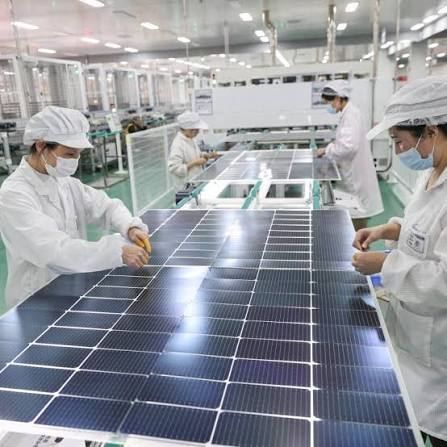
Solar Panel Manufacturing: An Overview of Modern Production Processes
Solar panel manufacturing is the industrial process used to produce photovoltaic modules that convert sunlight into electricity.
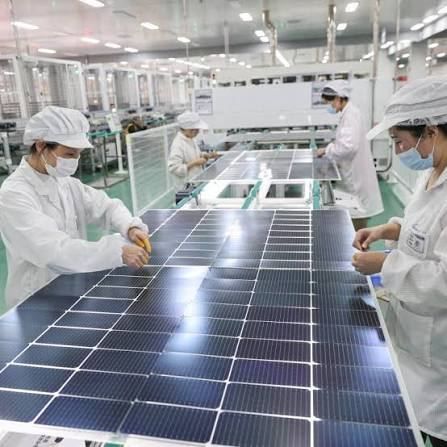
A typical solar module contains photovoltaic cells, protective materials, electrical connections, and a frame or structural backing. The manufacturing process brings these components together through a sequence of preparation, assembly, testing, and quality-control stages.
The process begins further upstream with the production of photovoltaic cells. Silicon-based materials are processed into wafers, which are then treated to create cells capable of converting light into electrical energy. These cells are connected and assembled into modules that can be installed in residential, commercial, or utility-scale solar systems.
Modern production facilities use different types of solar panel manufacturing equipment depending on the production stage. Solar cell manufacturing equipment is used for cell preparation, while solar module manufacturing equipment handles processes such as cell interconnection, lamination, framing, and electrical testing.
From Solar Cells to Complete Modules
Solar cells are the functional units inside a photovoltaic module. During manufacturing, individual cells are electrically connected into groups and arranged according to the intended module design.
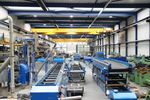
Solar panel production machines can perform repetitive operations with controlled positioning and timing. Equipment may include cell testers, stringing machines, layup systems, laminators, framing equipment, junction-box assembly equipment, and inspection systems.
Photovoltaic manufacturing equipment can therefore cover a broad range of machinery rather than one individual machine. The exact configuration depends on the cell technology, module design, production volume, and degree of automation.
Main Production Stages
A simplified solar panel manufacturing process can be divided into several stages:
- Cell preparation involves checking and preparing photovoltaic cells for assembly.
- Cell interconnection connects individual cells electrically.
- Module layup places interconnected cells and protective layers in the required arrangement.
- Encapsulation protects the cells from moisture and environmental exposure.
- Lamination bonds the module layers together under controlled heat and pressure.
- Framing adds structural support when the module design requires a frame.
- Junction-box installation provides the electrical connection point for the module.
- Testing and inspection check electrical performance, appearance, and physical integrity.
Each stage contributes to the final structure and operating characteristics of the photovoltaic module.
Importance
Solar panel manufacturing matters because photovoltaic modules are part of electricity-generation systems used in many regions. Manufacturing processes influence the physical quality, electrical characteristics, durability, and consistency of the modules produced.
The industry also affects a broad supply chain involving silicon materials, wafers, cells, glass, polymers, metals, electronic components, machinery, testing equipment, packaging, and transportation.
Supporting Consistent Production
Manufacturing solar modules involves many repeated operations. Solar panel assembly machines can help maintain consistent positioning and handling during processes such as cell stringing and module layup.
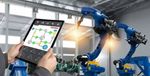
Automated solar panel manufacturing systems can coordinate multiple production stages. Automation does not eliminate the need for people; operators and technicians remain involved in equipment setup, inspection, maintenance, process monitoring, and quality control.
Managing Production Quality
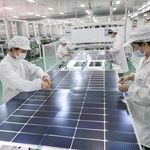
Photovoltaic modules must undergo different forms of inspection and testing. Electrical testing can identify characteristics such as voltage and current behavior, while visual inspection can identify physical issues.
High precision solar panel production systems use controlled positioning and process parameters to reduce variation between production steps. Quality control may include automated imaging, electrical measurement, dimensional checks, and final inspection.
Addressing Manufacturing Challenges
Solar module production involves several technical challenges. Cells can be fragile, materials must be correctly aligned, and multiple layers must be bonded without creating unwanted defects.
Other challenges include equipment compatibility, material handling, production-line integration, and environmental control. Industrial photovoltaic production systems are therefore designed around coordination between mechanical, electrical, and software components.
| Production Stage | Typical Equipment | Main Purpose |
|---|---|---|
| Cell preparation | Cell inspection and handling equipment | Prepare and check cells |
| Cell interconnection | Stringing equipment | Connect cells electrically |
| Layup | Module layup systems | Arrange cells and layers |
| Encapsulation | Laminators | Bond and protect module layers |
| Framing | Framing equipment | Add structural support |
| Junction box | Assembly equipment | Establish electrical connections |
| Testing | Module test systems | Measure electrical characteristics |
| Inspection | Imaging and inspection systems | Identify visible or process-related defects |
Recent Updates
Between 2024 and 2026, solar manufacturing has continued moving toward larger production capacities, higher levels of automation, improved inspection, and newer photovoltaic cell and module designs. Manufacturing facilities have increasingly combined equipment, software, sensors, and data systems to monitor production processes.
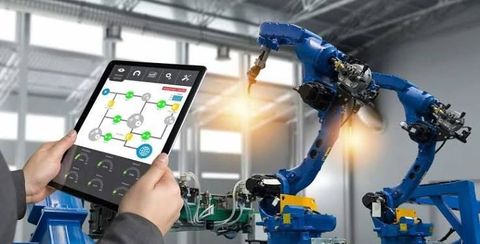
One notable direction is the integration of automated photovoltaic manufacturing systems. These systems can connect multiple machines through production-line controls, allowing information to move between stages and enabling more coordinated process monitoring.
Development of Cell and Module Technologies
Solar cell production machinery has evolved alongside changes in cell architectures. Manufacturing lines increasingly need to accommodate different cell formats, electrical layouts, interconnection approaches, and module designs.
Advanced solar cell manufacturing machinery can include automated handling and inspection technologies designed around specific cell structures. Changes in cell design can also require adjustments to downstream photovoltaic module production machinery.
Greater Automation and Inspection
Automated solar panel assembly equipment is increasingly used for repetitive operations such as material placement, cell handling, interconnection, and inspection. Machine vision can examine alignment and surface conditions without relying entirely on manual visual checks.
Advanced solar module manufacturing equipment can also collect process information from different machines. This data can be used for production monitoring, equipment analysis, traceability, and quality-control activities.
Focus on Production Efficiency
Manufacturers are also examining ways to coordinate equipment more effectively across complete production lines. High efficiency solar module production systems may combine automated material handling, controlled processing, inspection, and data collection.
The meaning of efficiency in manufacturing can include material utilization, equipment uptime, production throughput, energy use, and process consistency. These factors need to be considered together rather than through a single measurement.
Tools and Resources
Understanding solar panel manufacturing can involve both technical and educational resources. Equipment documentation, photovoltaic research publications, standards information, and process diagrams can help explain how different production stages work.
Manufacturing and Process Tools
Solar panel manufacturing machinery may include equipment for cell handling, stringing, layup, lamination, framing, junction-box attachment, and testing. Production monitoring platforms can connect machine data and provide information about operating conditions.
Useful resources can include:
- Process flow templates for documenting manufacturing stages.
- Production checklists for tracking inspection points.
- Electrical testing instruments for evaluating module characteristics.
- Machine-vision systems for automated visual inspection.
- Manufacturing execution platforms for production tracking.
- Technical standards and laboratory publications for photovoltaic terminology and testing methods.
Research and Educational Resources
Organizations involved in renewable-energy research publish technical material covering photovoltaic technologies, manufacturing methods, testing, and system performance. Academic publications and laboratory resources can also provide background on cell structures and module construction.
Manufacturing planners may use process simulations and equipment specifications to understand how individual machines interact within a complete solar panel manufacturing system.
FAQs
What is solar panel manufacturing?
Solar panel manufacturing is the process of producing photovoltaic modules by preparing and connecting solar cells, adding protective layers, laminating the assembly, installing electrical components, and testing the completed module.
What equipment is used in solar panel manufacturing?
Solar panel manufacturing equipment can include cell inspection systems, stringing machines, layup equipment, laminators, framing systems, junction-box assembly equipment, and electrical testing systems.
What is solar cell manufacturing equipment used for?
Solar cell manufacturing equipment is used during the production and processing of photovoltaic cells. Depending on the manufacturing stage, it can support wafer processing, cell formation, handling, inspection, and electrical testing.
How do automated solar panel manufacturing systems work?
Automated solar panel manufacturing systems coordinate machines that perform repeated production tasks. Sensors, controllers, software, and inspection equipment can work together to manage material movement, processing, monitoring, and testing.
What is photovoltaic module production machinery?
Photovoltaic module production machinery refers to equipment used to assemble solar cells into finished modules. It can include cell interconnection, module layup, lamination, framing, electrical assembly, and testing equipment.
Conclusion
Solar panel manufacturing combines material preparation, photovoltaic cell technology, automated equipment, module assembly, inspection, and electrical testing. Modern facilities increasingly use automation and connected production systems to coordinate repetitive operations and monitor manufacturing data. Changes in cell architecture and module design continue to influence solar panel production machines and manufacturing processes. Understanding these stages provides a clearer view of how photovoltaic cells become completed solar modules.