Importance: Why Sheet Straightening Machines Matter Today
Sheet straightening machines are essential in modern manufacturing because even minor flatness defects can lead to assembly errors, poor product quality, and increased production costs. These machines ensure metal sheets meet strict dimensional and quality requirements before further processing.
Key reasons this technology matters:
-
Dimensional accuracy
Ensures precise cutting, welding, and forming
-
Process efficiency
Reduces rework, waste, and production delays
-
Material performance
Relieves internal stresses for predictable behavior
-
Industrial reliability
Supports sectors like automotive, construction, and energy
As industries demand tighter tolerances and automation increases, consistent sheet quality becomes critical. Straightening machines help maintain high-speed production with repeatable results.
Recent Updates: Trends and Developments
Sheet straightening technology has advanced toward automation and precision control.
Key developments include:
-
Digital control systems
Sensors and feedback loops adjust roller pressure in real time
-
Energy-efficient drives
Optimized motors reduce power consumption
-
Inline integration
Machines are connected with cutting and leveling systems
-
Data monitoring
Enables predictive maintenance and quality tracking
These trends align with smart manufacturing, where machines continuously optimize performance and output quality.
Laws or Policies: Regulatory Considerations
Sheet straightening machines operate under general industrial regulations focused on safety and compliance.
Common regulatory areas:
-
Machine safety standards (guards, emergency stops)
-
Electrical and mechanical compliance
-
Environmental considerations (noise, lubrication, energy use)
These frameworks ensure safe operation and consistent production quality across manufacturing environments.
Tools and Resources: Supporting Effective Operation
Various tools help engineers and operators optimize sheet straightening processes.
Useful resources include:
-
Material property calculators (yield strength, elasticity)
-
Flatness measurement gauges
-
Technical manuals on metal processing
-
Industry knowledge platforms
-
Maintenance planning templates
These tools support better planning, monitoring, and maintenance.
How Sheet Straightening Works
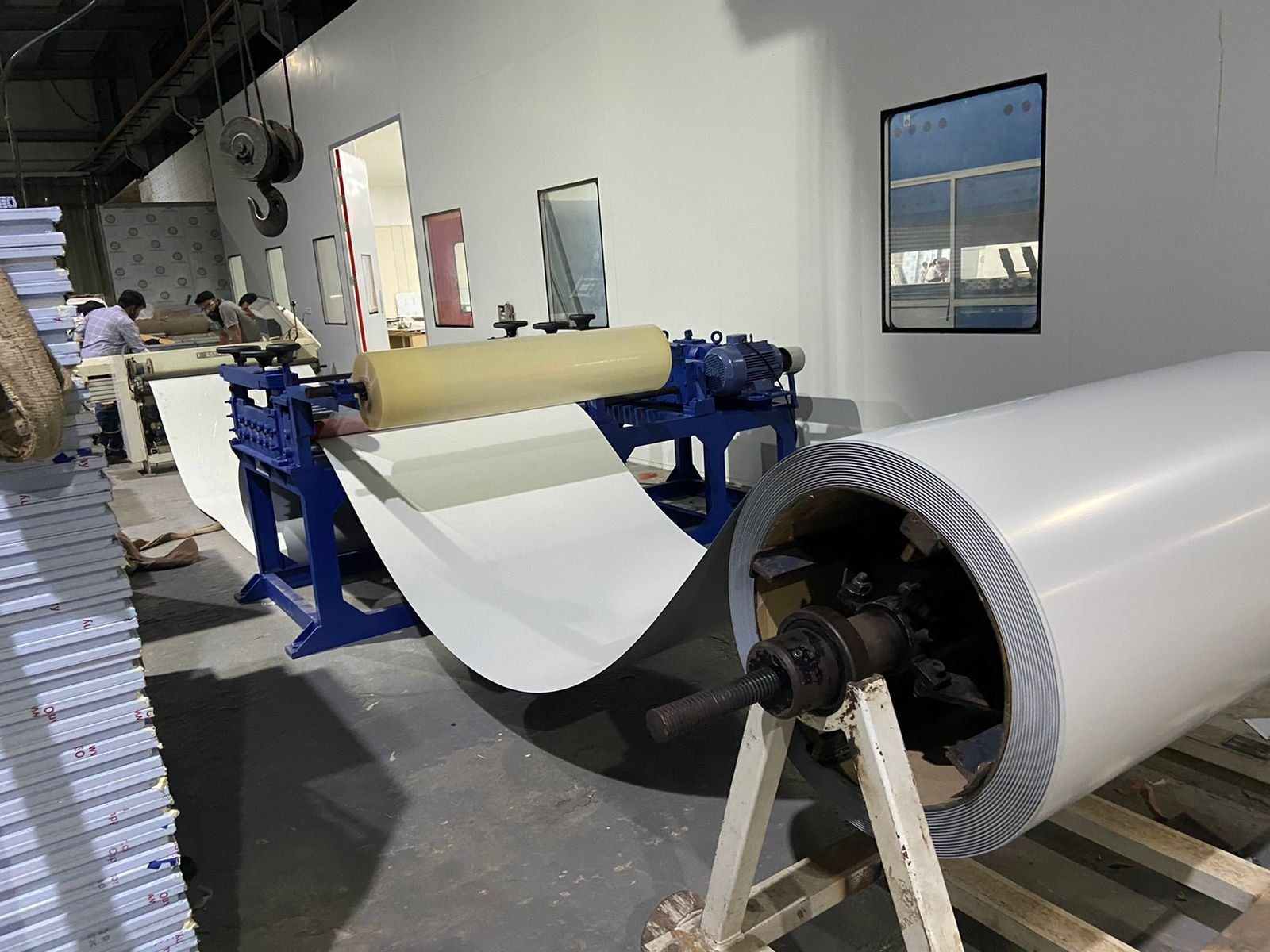
Sheet straightening uses multiple rollers to apply controlled bending forces that remove internal stress and improve flatness.
Basic process steps:
-
Sheet enters the machine
-
Rollers apply alternating pressure
-
Internal stress is redistributed
-
Sheet exits with improved flatness
Straightening Methods Comparison
| Method Type | Mechanism | Typical Use Case |
|---|
| Roller Straightening | Continuous roller pressure | Sheet and strip processing |
| Press Straightening | Localized force application | Thick plates or specific areas |
| Leveling Systems | Fine roller adjustments | High-precision flatness |
Performance Factors
Several factors influence straightening effectiveness:
-
Material thickness and hardness
-
Roller diameter and spacing
-
Number of rollers
-
Feed speed and pressure control
Understanding these variables helps select the right machine for specific applications.
FAQs: Common Questions Answered
What materials can be processed?
Steel, stainless steel, aluminum, and various alloys depending on machine capacity.
How is straightening different from leveling?
Straightening removes bends and stress, while leveling achieves tighter flatness tolerances.
Does it affect material strength?
It redistributes stress but does not significantly change material properties when done correctly.
Where are these machines used?
In fabrication, automotive, construction, and precision engineering industries.
How is quality checked?
Using flatness gauges and measurement systems to detect surface deviations.
Conclusion
Sheet straightening machines are a fundamental part of modern metal processing.
By correcting distortions and balancing internal stresses, they ensure materials meet the precision required for advanced manufacturing. With improvements in automation, energy efficiency, and integration, these machines continue to play a vital role in achieving high-quality, reliable production outcomes.